My Favorite Genes
A BLOG. YOUR STORY MATTERS. TELL IT WITH PICTURES.
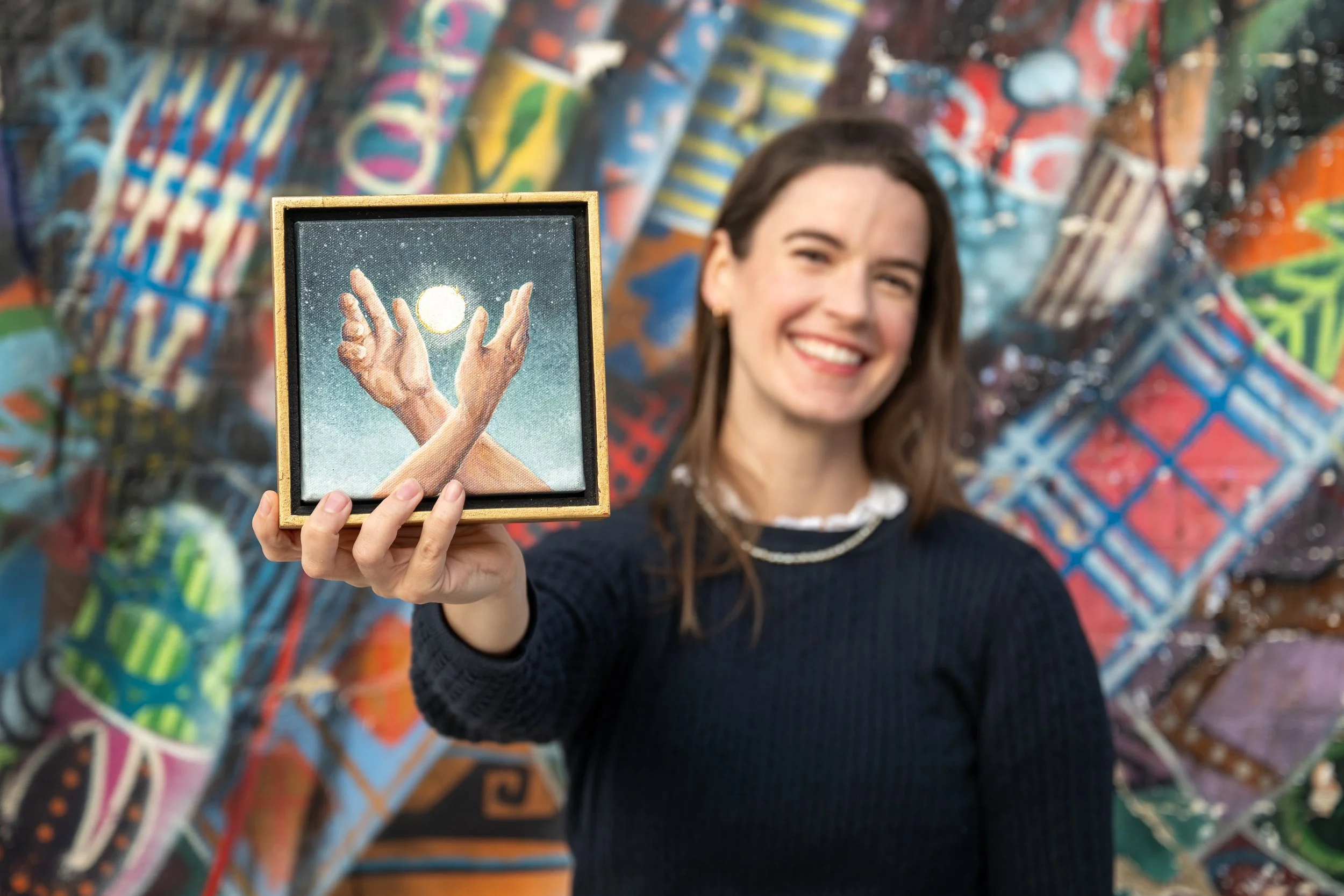
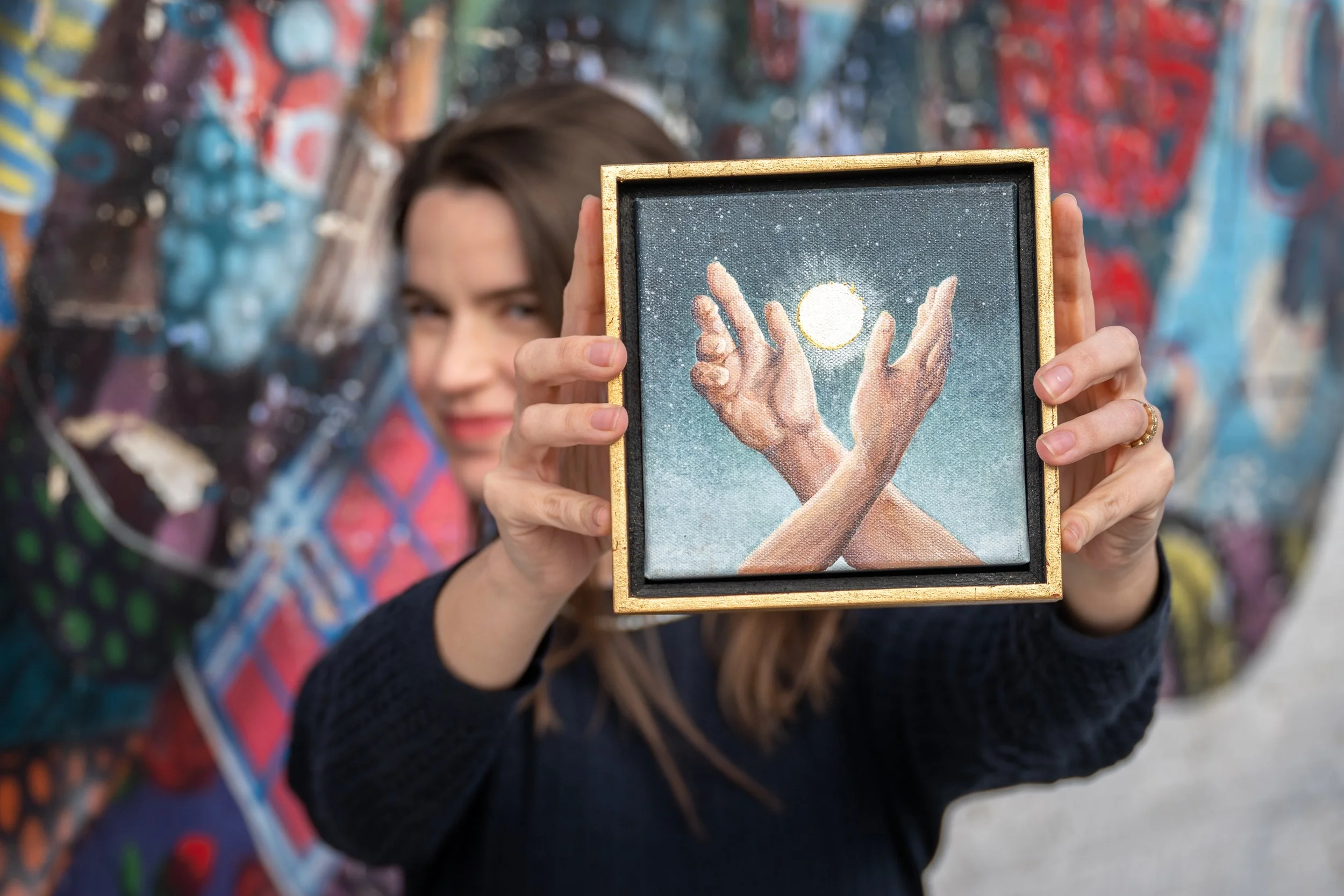
Coming to Wholeness
Brokenness is not something that is forgotten. It’s actually quite visible, quite celebrated, and it’s more beautiful because of the journey that it’s taken.
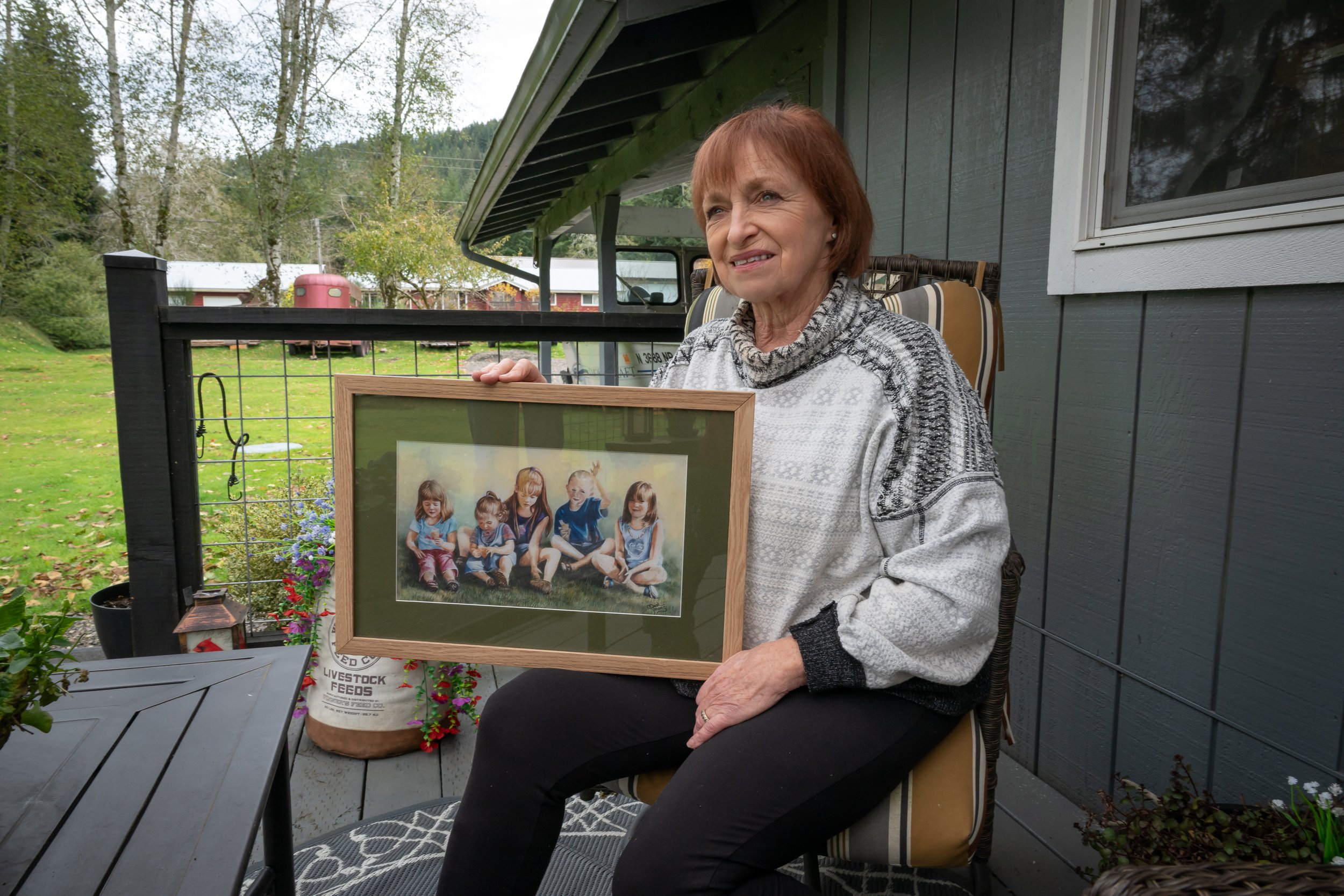
Artist, Elizabeth Bishop Wheatley
We all want to be resilient and strong in the face of any challenge, but what do we do when our own definition of resilience comes face to face with our very real, often incredibly deep insecurities and brokenness?
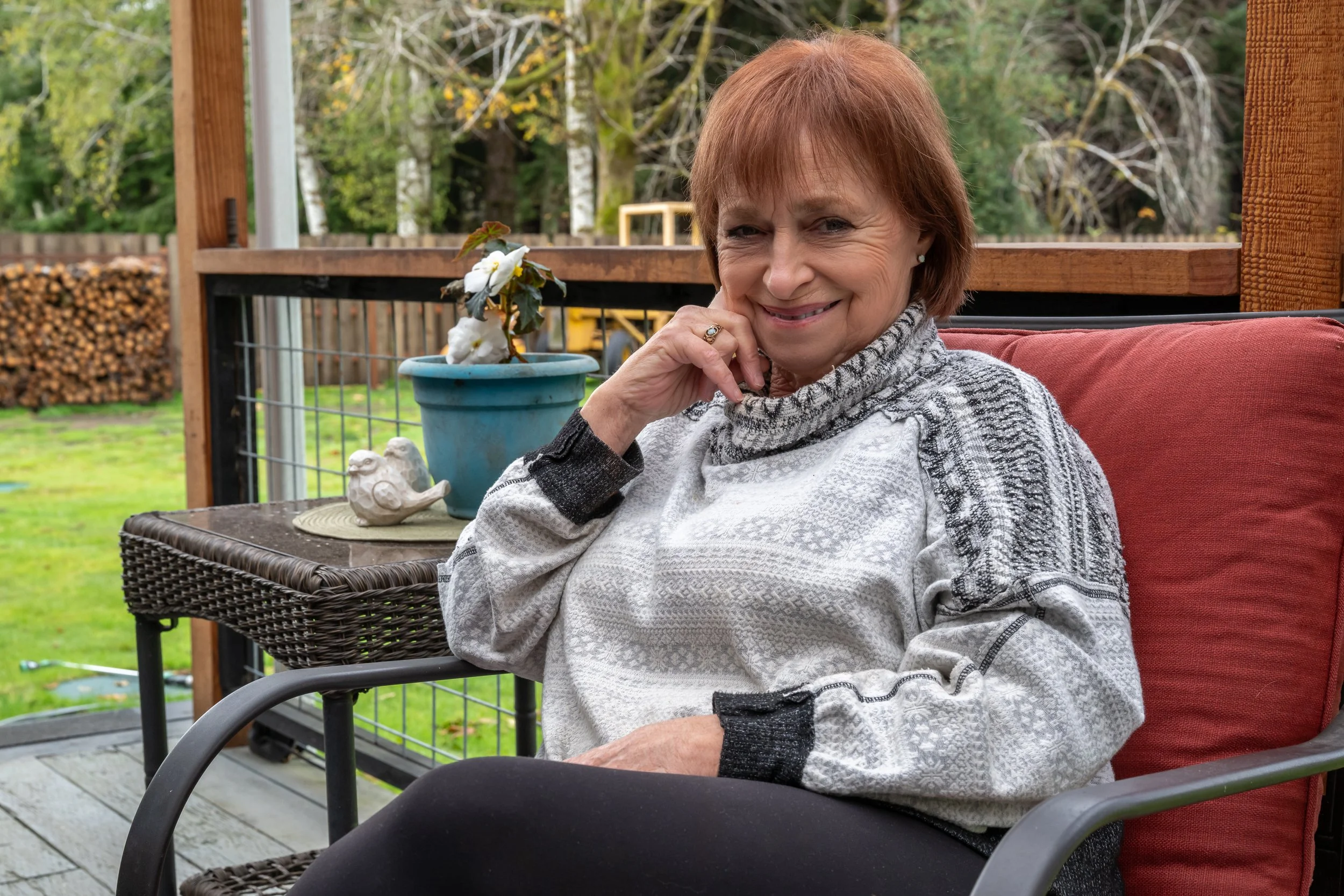
I had a chance to visit with artist Elizabeth Bishop Wheatley last week whom I met at Made With Love, a local pop-up market in Provo, Utah. I was intrigued by Elizabeth’s work and pleased by the friendly willingness she offered when I asked if she’d be interested in collaborating on this post.
During our visit, she talked about what makes her work come to life, and she taught me that we can channel life’s challenges into creative pieces of all kinds, bringing healing not only to ourselves, but to those who take part and witness it.
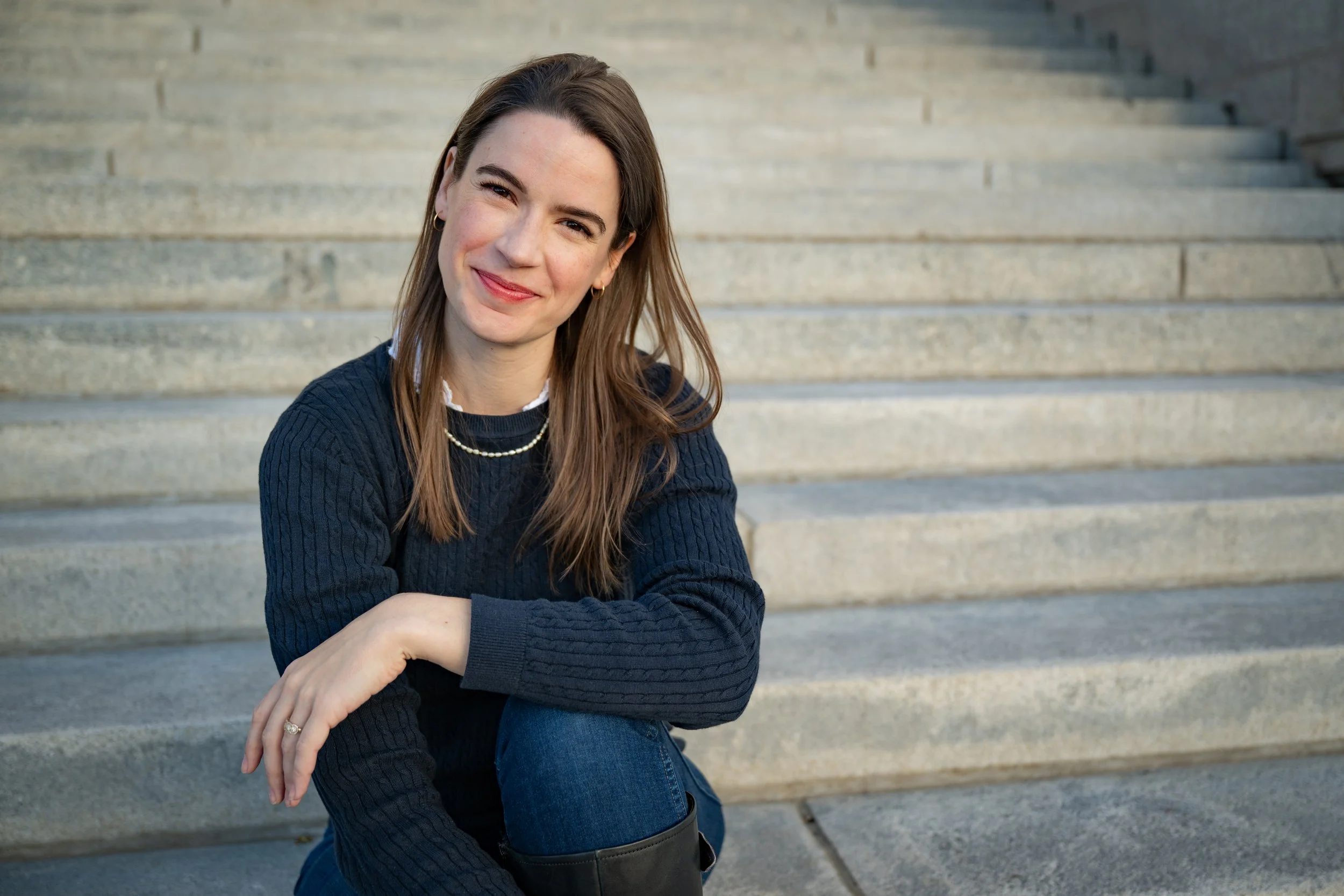
Artist, Elizabeth Bishop Wheatley
Me: What is something surprising about you?
Elizabeth: “It’s probably that I’m actually very introverted, because a lot of what I do is outwardly facing—I teach, I do workshops, and I run a non-profit, and I love being with people for sure, but…I definitely am recharged by time to myself. And I think I worked really hard to like who I am, so I like spending time with me.”
“I have always been a night owl…[Nighttime] has always been my creative time. Even in college, that’s when I’d write my best papers. It’s when I’d have these great creative thoughts. And it’s not that I can’t do work during the day…but when the kids are asleep and the world is asleep, and my phone’s not blowing up, and there’s just time, and it’s quite—it’s easier to get into that state of creating, where it comes with a lot more ease.
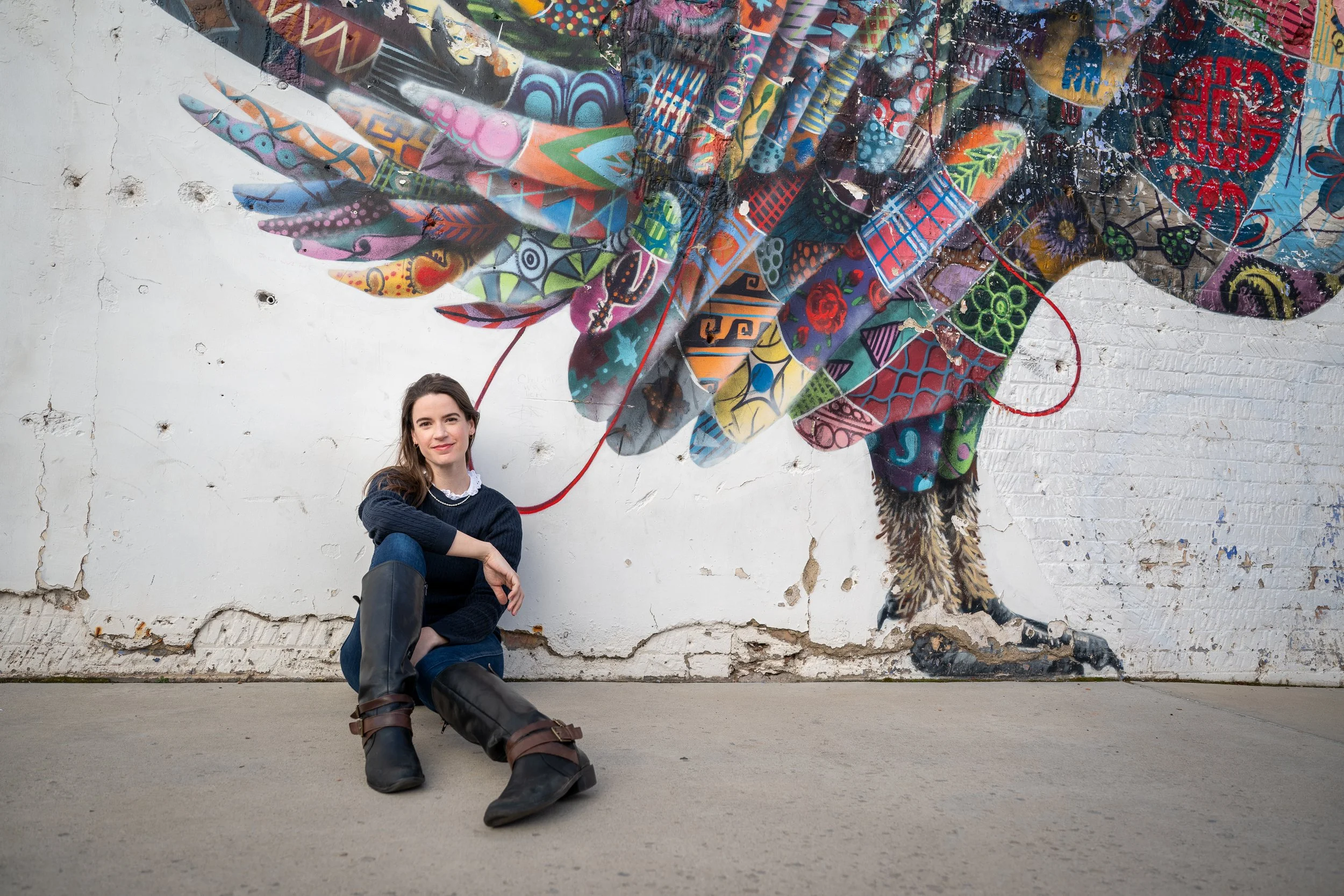
Artist, Elizabeth Bishop Wheatley
Me: What is the most surprising thing that you have learned about the art industry?
Elizabeth: “The most surprising thing about the art industry is how much everyone feels inadequate. I thought that I would overcome this imposter syndrome when I felt ‘professional enough’…or I’ve been doing it for [a certain] amount of time, or I received certain kinds of recognition…and then suddenly those anxieties and those insecurities would be a lot quieter. They do get quieter, but I think really it’s just a matter of getting better at talking over them.”
“And when I see people that have made amazing careers out of these things, who are obviously very confident about what they do, and to hear them speak candidly about how insecure they feel about their own art work, or their skill that’s not quite refined in this way…Part of me was a little disappointed in it because I’d held this idea, right? And for [experienced artists] to be so beautifully authentic and honest, it kind of popped this bubble, like wait, you’re saying that I’m never going to get to this spot where this isn’t going to plague me?…But at the same time…it feels like a microcosm of being a creative person…You are so acutely aware of not only what you can do, and make, and produce, and be, but also the distance that is from the ideal…so there is a beautiful amount of honesty and fragility in the [artistic] community.”
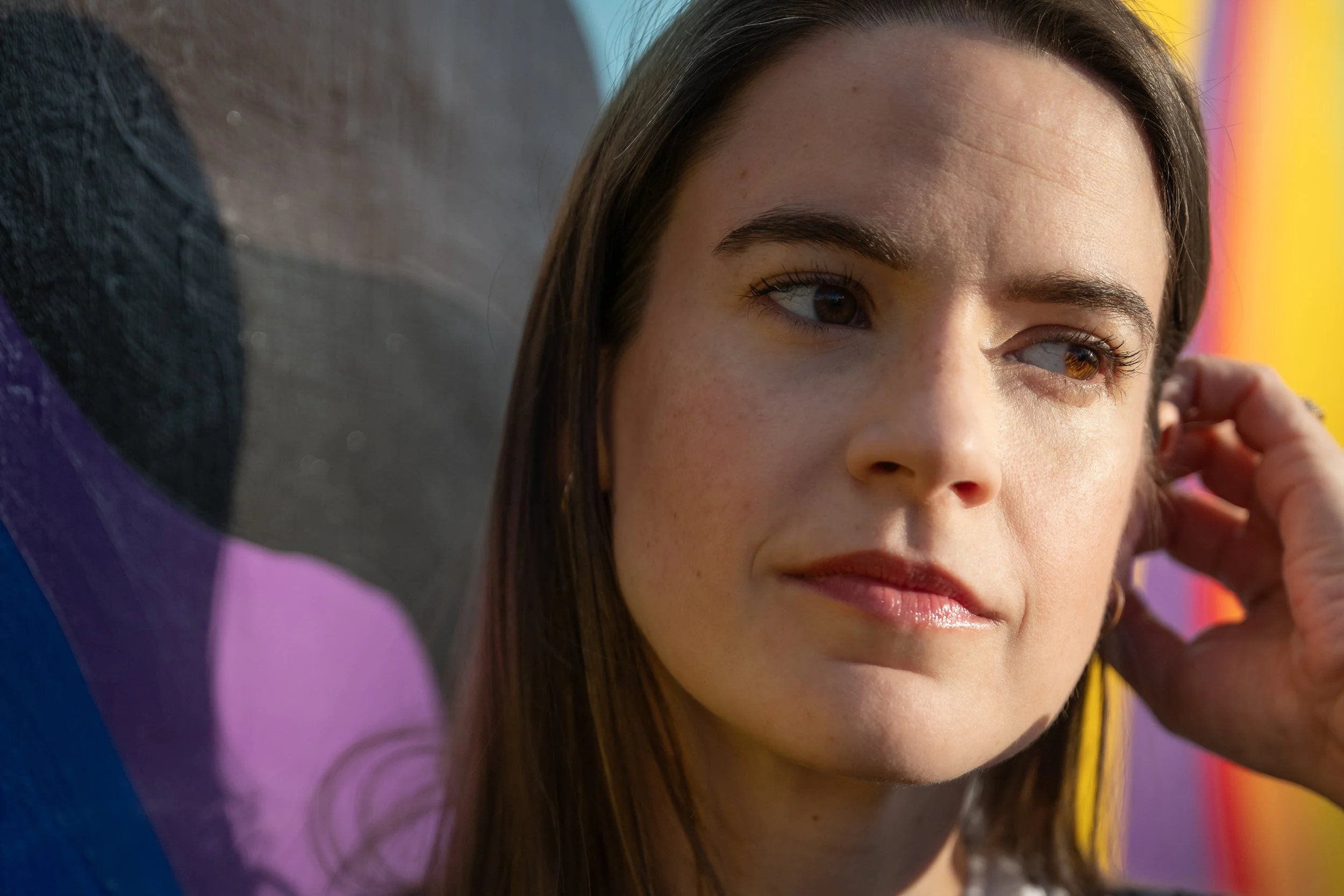
Artist, Elizabeth Bishop Wheatley
Me: What would you like your work to represent? What is the meaning or message, if you have one, about the type of work you do?
Elizabeth: “There are a couple of different themes that kind of run through my work for the last couple of years, which is a bit funny because sometimes people will ask me, “Oh, you’re an artist. What kind of work do you do?” And that’s actually really difficult for me to answer because I work across so many different mediums. I do watercolor, but also oil painting, but also digital things…and I also make these mixed media paper quilts—What does that even mean!? I feel like I’m a little bit all over the place because I love so many things. But the thread that ties it all together is that I like exploring themes, and I feel like they’re very interconnected.”
Me: Can you name a theme that you have loved?
Elizabeth: “Yes! So, things that keep coming back are these themes of resilience, especially how that relates to myself as a parent, a mother, a person, a woman. A lot of my work the last couple of years has really explored how that kind of intersects with mental health. I had very difficult bouts of postpartum depression and anxiety with my kids, and trying to figure out How do I find these pieces of myself and make them congruent and whole when it feels like I am just crumbling before my own eyes? So like, themes of wholeness, but also resilience, [and] mending…I use a lot of imagery from quilts, and make cool patterns—historical or otherwise. I love these ideas of small geometric pieces coming together to create a much greater whole. But then also, there is this idea of comfort, things being passed down from generation to generation…like a quilting bee…where community gathers and works together to make this thing that will provide comfort, and safety, and warmth, and covering for people. I think I can take these little bits and pieces, these scraps and stories, and put it all together into this new creation. And I find that very beautiful.”
“As a person who often feels very fragmented or has had plenty of times when things have felt broken or in need of repair…that’s not the end. There’s still so much that those pieces can give and [can] be brought back together to create something either new, or whole, or something more beautiful than there was before.”
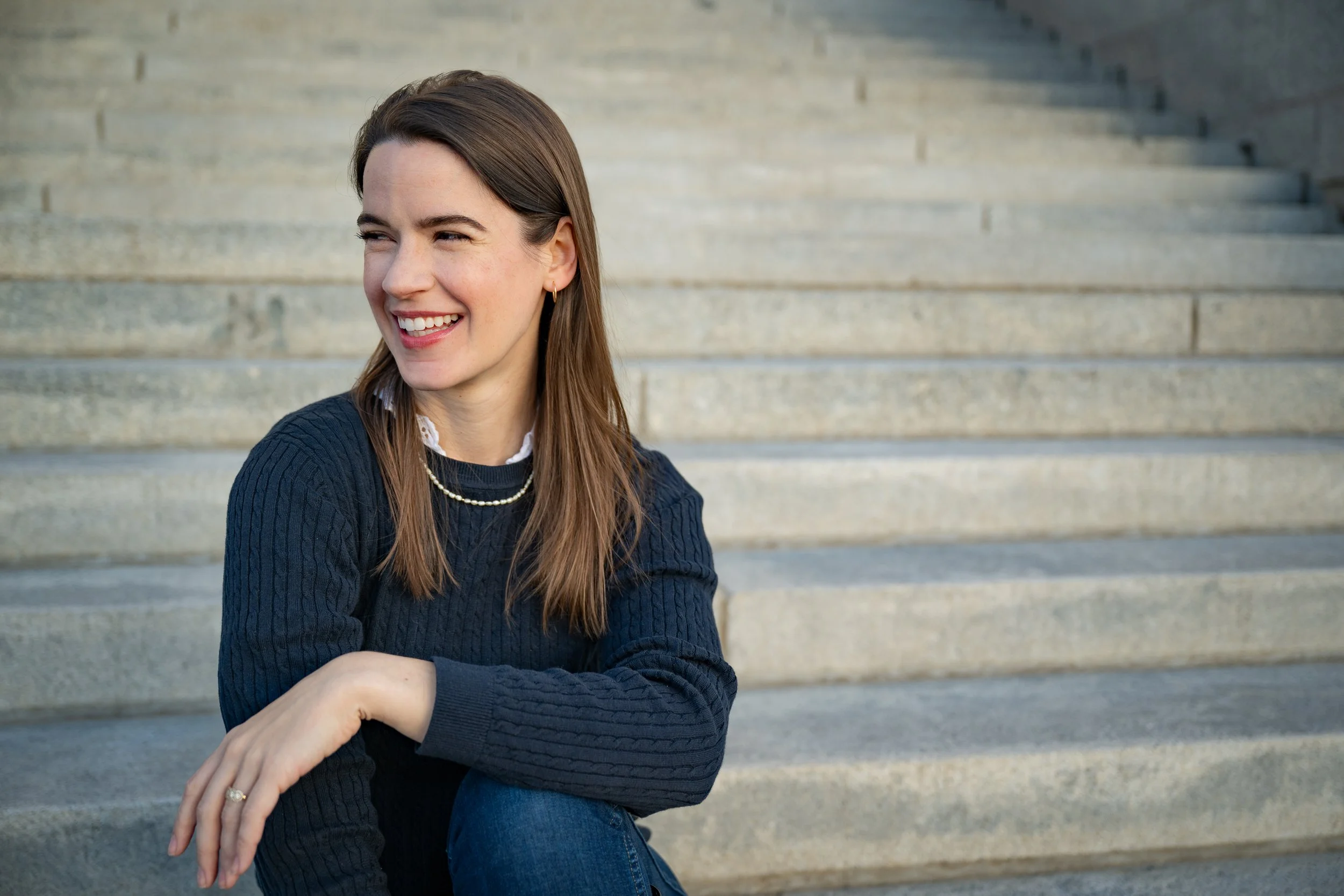
Artist, Elizabeth Bishop Wheatley
Elizabeth has a wonderful variety of subjects and she told me about one of her favorites.
Elizabeth: “I definitely do a lot with women of faith, like Heavenly Mother. Kintsugi too! I love me something shiney. I love gold. I love what it brings to a piece. But I think there is something really beautiful about this idea of having things that are broken, and then through that repair, that gold lacquer, and the pottery coming back together into wholeness. Then, that brokenness is not something that is like a chapter of your story that is forgotten. It’s actually quite visible, quite celebrated, and it’s something more beautiful because of the journey that it’s taken. It’s the brokenness, but the repairing [too]. There’s process, there’s human love and touch that then brings it back…Those are things that show up [in my art] in different ways.”
Take a look at Elizabeth’s beautiful creations. You can find her @elizabethwheatley.art on Instagram or @elizabethbishopwheatley on Facebook and Pinterest.
If any part of Elizabeth’s story resonated with you, it’s a clear sign that you also have a story worth telling. Learn how to start telling your story at RootsTech beginning tomorrow, March 5, 2026. It’s an annual family history conference—the largest in the world! And it’s not too late to REGISTER HERE, or participate for FREE online.
The Sasquatch Champion
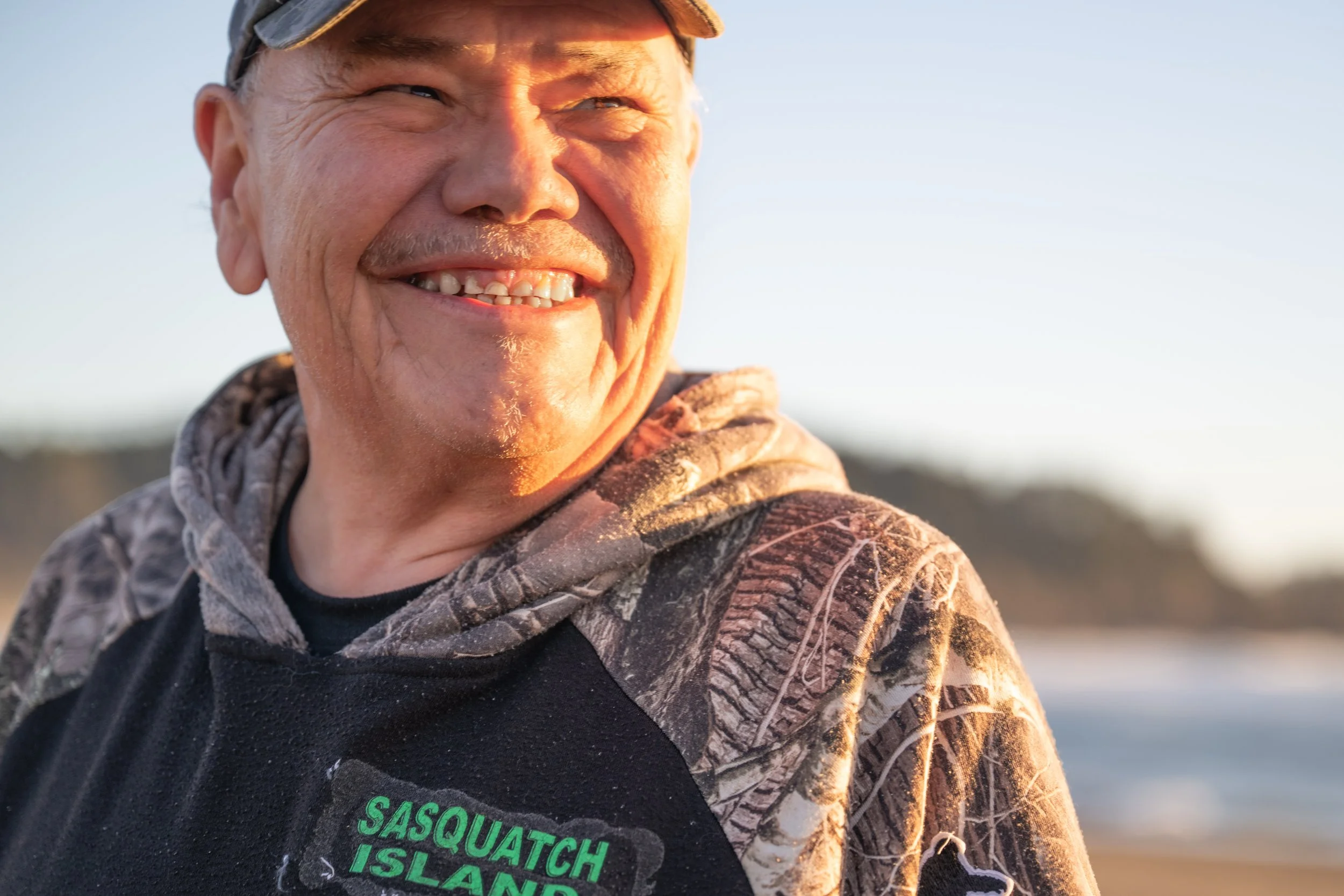
I’ve heard stories of Bigfoot, but had never met a true Sasquatch champion until I talked with artist and wilderness guide, Tom Sewid.
I met Thomas Sewid in a place where Bigfoot sitings abound, and his store, Sasquatch the Legend, caters to fans of all ages. Not only do they have the usual tourist t-shirts, magnets, and mugs, but also books, signs, and even Sasquatch art made by Tom himself.
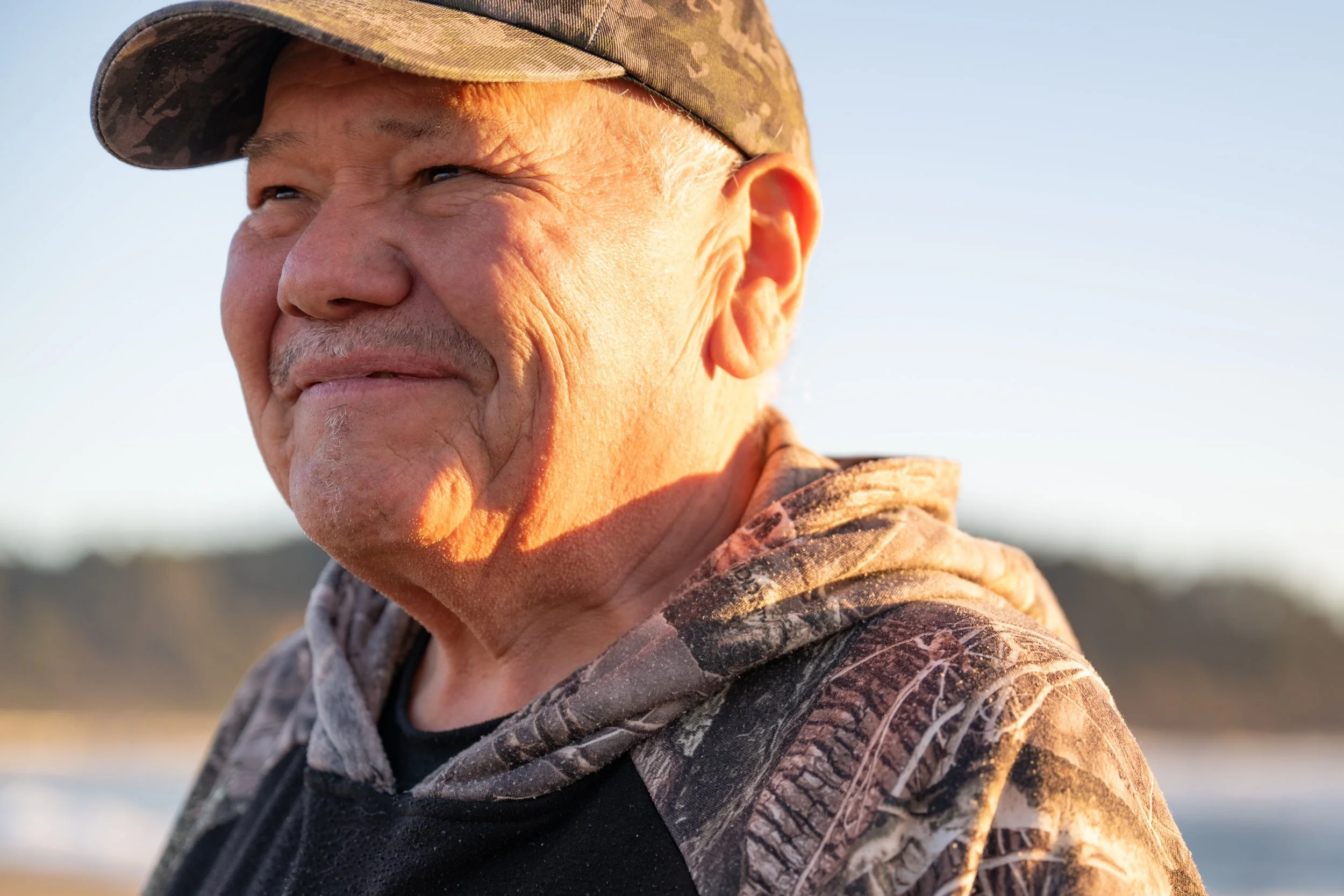
Now, I’ve heard entertaining stories of Bigfoot through the years, but never met a true Sasquatch champion until I talked with Tom. Calling him a fan would be inaccurate. Whereas, a champion is defined as a person who vigorously supports, defends, or fights for a person, principle, or belief, acting as an advocate or protector. “Do you really believe in Bigfoot?” I asked him. “Oh, I don’t believe,” he said. “I know.” And I admit, after our visit I found myself wondering if I have been missing out on something really cool. The adventures Tom told me about were unlike any I’d ever heard, and I liked his depth of courage and sheer gumption.
Tom started working on a fishing boat at a young age and the captain worked to his dying day, telling Tom, “…if I don’t wake up, this is where you go. Astoria is that way, due east.” The weather and the waves alone would have done me in (aside from my severe motion sickness), but the idea of riding beyond the site of land and having to get home again feels intimidating, especially for a young person.
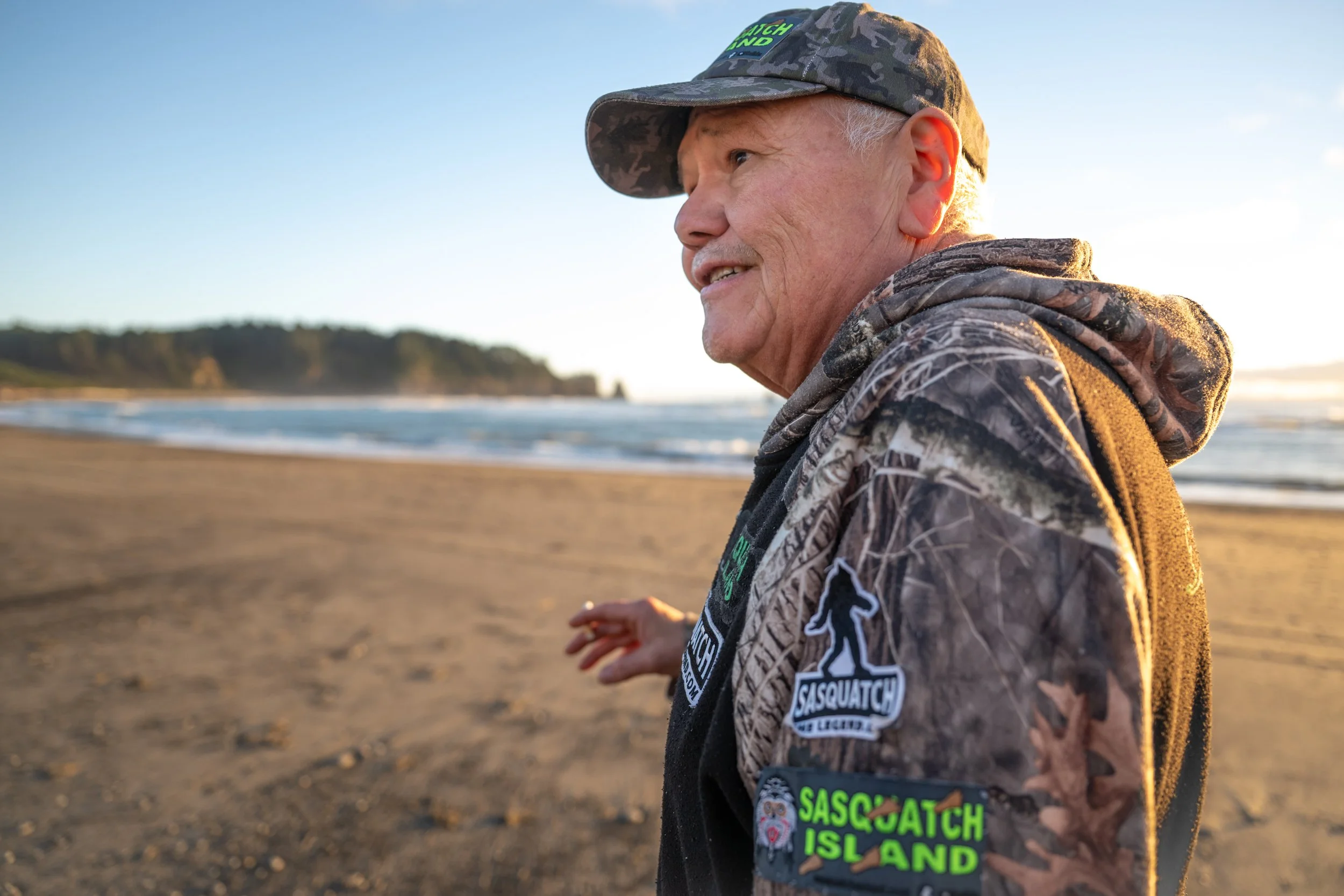
I asked Tom, “Did that ever scare you?” and he shrugged. “Nah, fishermen, they knew what to do. Like when I showed up to Prince Rupert. I was on an eighteen and a half foot aluminum speedboat. I traveled from northeastern Vancouver Island where I was doing my native watchman program, a tourism operation. I went up to Prince Rupert (roughly 200 miles), and my family and friends were up there commercial fishing for salmon and they were like, ‘Oh, what boat are you on Tommy?’ [And when I told them] they said, ‘All the way from Village Island?! How long did it take you?’ Three days! I got weathered in one night so I had to stay in a bay. ‘What did you come up here for?’ To have a beer…with you guys. I think I’m also going to go to Ketchikan to grab an ice cream cone. I looked at the weather, and it was good so I went up, entered Alaska, went to the border patrol float, and checked in. The guy goes, ‘Where did you come from?’ I told him, and he goes, ‘In that?!’ Oh, yeah. I just want to go to the ice cream stand. I like these ice creams, and I think I’ll head back tomorrow.”
Tom told me this story at sunset as we walked along the beach on a rare sunny winter evening. I found myself wishing we could sit around a campfire and share some more stories as the sky grew dark and the stars came out. I was learning how Tom, a member of the Kwakwaka’wakw Tribe, takes life as it comes and does his best with what he has. He is a skilled storyteller, artist, and wilderness guide, and I wanted to hear more.
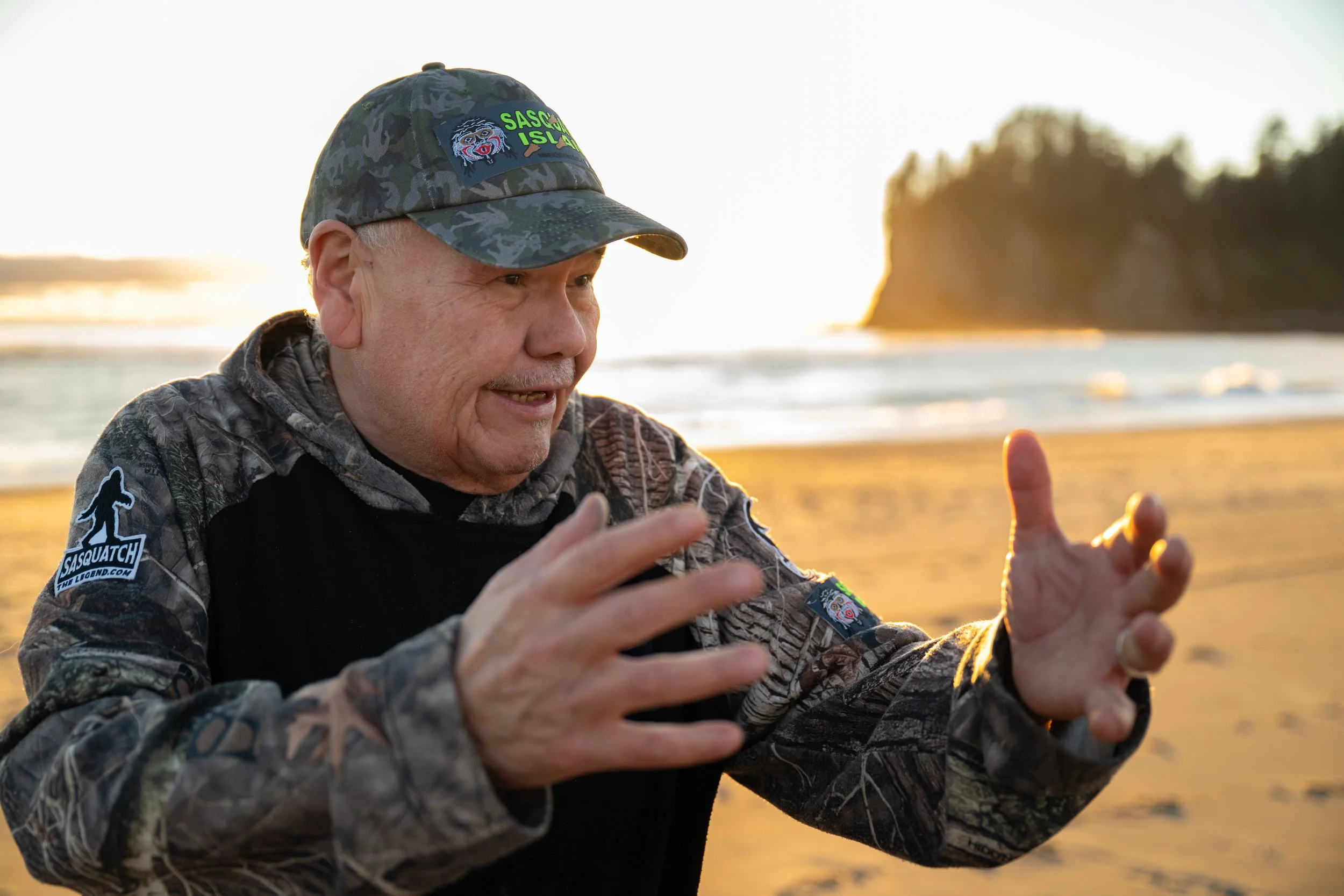
I also asked him about the best advice he’d ever been given and he said, “The most important thing I guess I ever was told as advice would be from my grandfather and other elders when I was young. I was nicknamed Dilton [Doiley], because like [the character] in the Archie comic books I used to read. I had glasses, I always had my head in a book, I was Tommy-ten-thousand-questions—How come? Where? Why?…What’s this? What’s that? When did this happen? So, I used to irritate people. But the elders picked up that I was a sponge, that I wanted to absorb knowledge. They would say: ‘Tommy, you remember this, boy,’ and they’d talk and they’d tell me stuff that they never told hardly anyone else— happenings that took place, legends, stories…and they would end it by saying, ‘You remember this, boy.’ And…that really resonated with me. When I went to Shonigan Lake Boys Private School in grade eight, a boarding school…I was introduced to their library, and…they’d give me a key, and when I opened up that locked room, it was filled with National Georgraphic [magazines]…and I absorbed every [one]. Then I went to Life magazines, I went to Popular Mechanics magazines, I went to the encyclopedia, and in two years, grade eight and nine, I probably read well over 60% of the library. I’ve always been like that, a sponge to absorb knowledge. Now I tell people, “Remember this, boy…I’m going to tell you a story.”
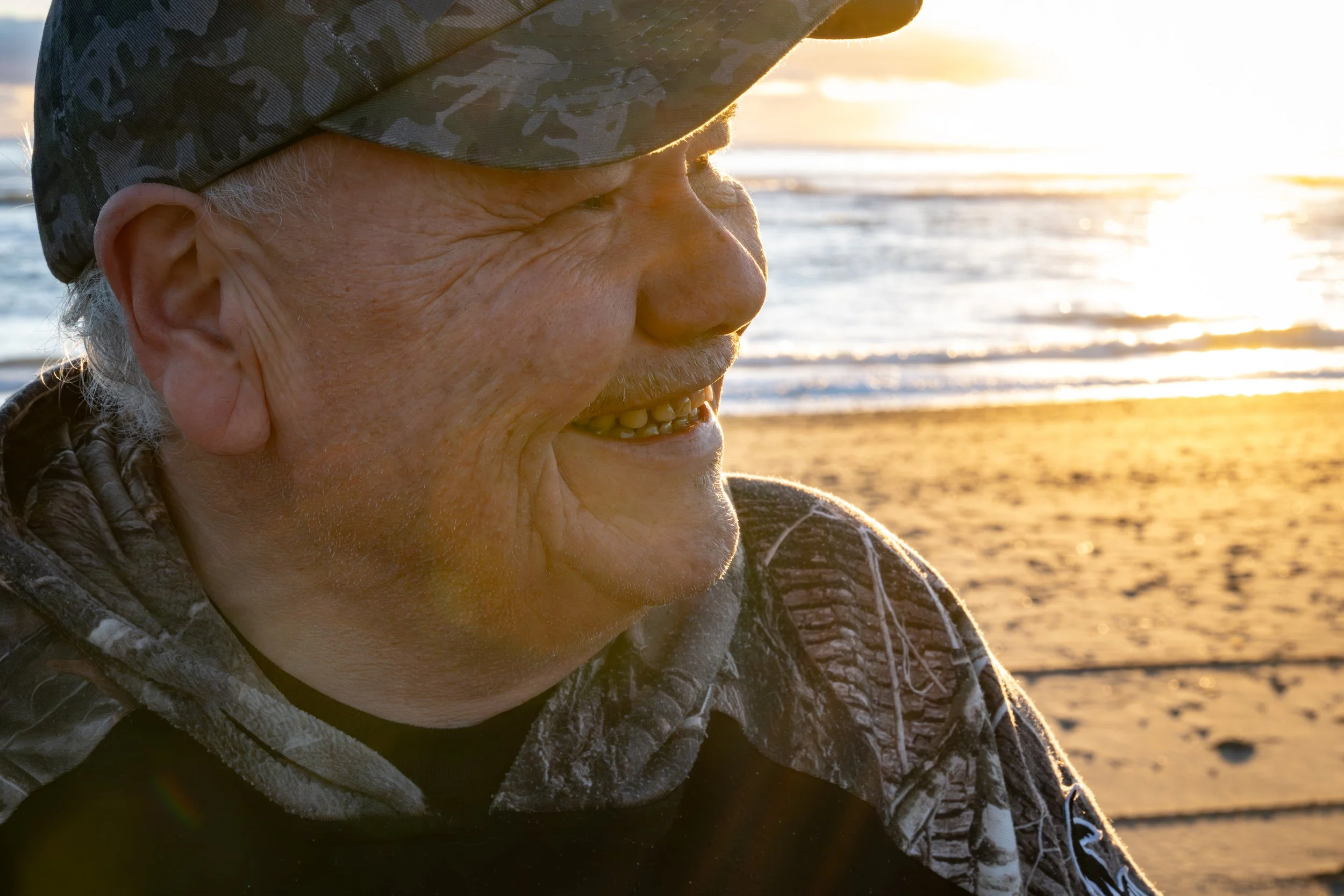
Tom has been on several shows, the most recent being American Sasquatch: Man, Myth or Monster. But he didn’t seem to mind that I was just a random stranger coming into his store. His willingness to share and be open about his life and experiences was a fun surprise. He told me about the Sasquatch legends of his native people, and about his own extreme wilderness survival experiences on water and land—one that lasted an entire year. How is it that he would trust me with his stories? I said to him, “What is it about a person that would make you want to trust them?” and he said, without hesitation, “What we’re doing right now.”
Then I asked, “What do you admire most in a person,” and he replied, “…You could be the most unethical, lying sloth, a slob with no scruples, but as long as you have bravery and strength, I admire that…because from the moment we wake up to the moment we go to sleep we are at battle with life. Sometimes the battles get very hostile, be it political, financial, emotional, you’re always in battle. So you have to have those around you that you can trust and honor. Like my workers, they honor and trust me…I tell them, I was a commercial fisherman for forty plus years, a captain for almost twenty years. You’re on my deck.” He mentioned one worker in particular, describing her as a firecracker. I asked, “Do you consider her to be brave?” He said, “Oh, she’s very brave! She stands up to me…She digs her toes in. ‘I don’t think we should do it that way, Tom! You said we have to discuss things, so we’re going to discuss it!’”
Tom has written his stories in Sasquatch Island Magazine. If you’d like to hear more about his adventures in his own words, you can start with volume 1 here.
Meeting someone like Tom inspires me to keep doing what I’m doing—listening to tales from the lives of unique, creative individuals, and writing a small piece of it down on ‘paper’. In this way I try to honor other’s good influence on my life and hope it inspires you to discover the history that surrounds you too.
RootsTech is around the corner. Sign up for an adventure of your own. Here are some classes from their recently released 2026 schedule that piqued my interest…
“From Clutter to Legacy: Organizing Photos to Tell Your Family Story.”
“Voices That Vanish: How to Capture Family Stories That Matter.”
“Got Old Negatives? Scan Them With Your Phone and These 5 (Mostly) Free Apps.”
Mermaid Tears
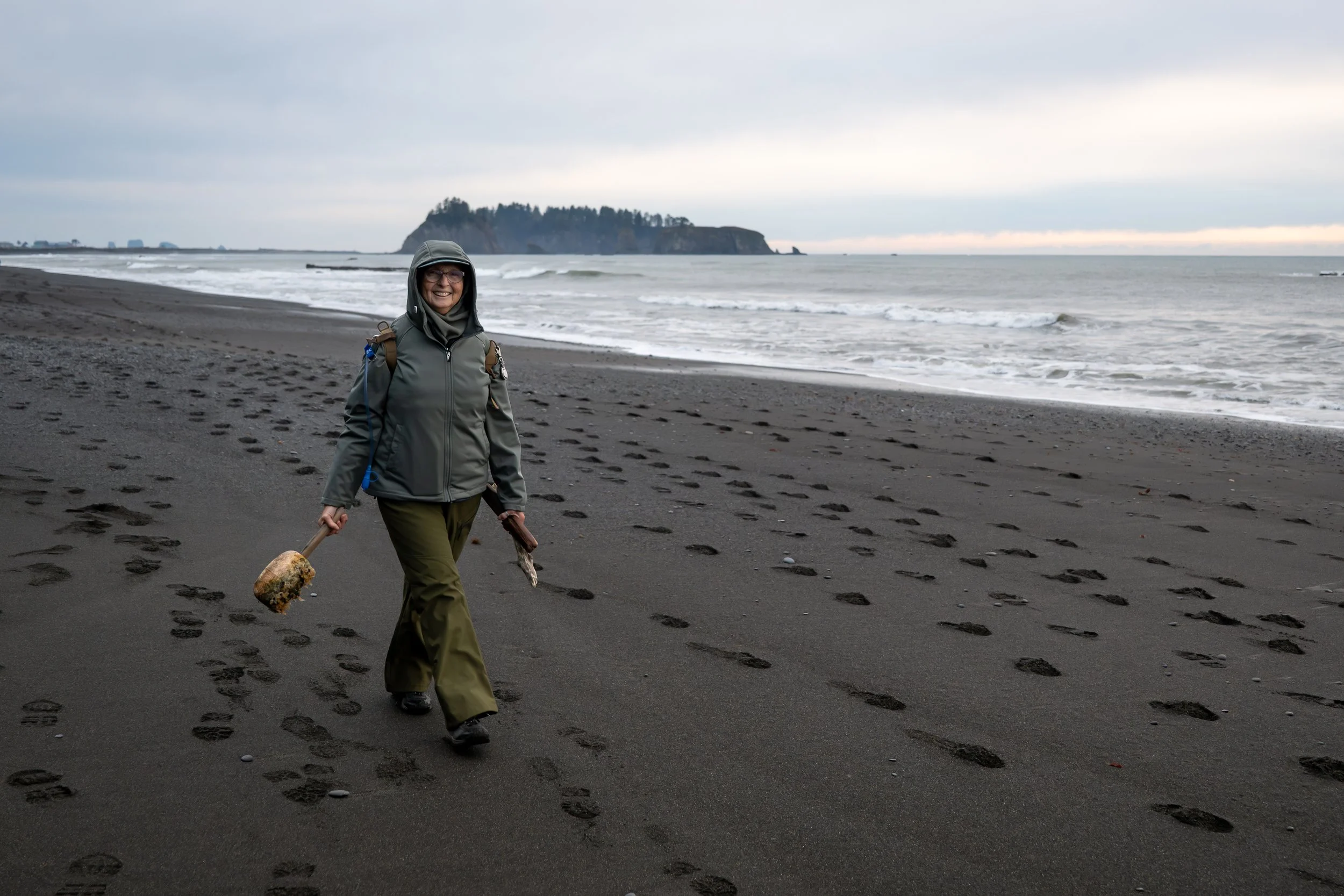
If beachcombing were a profession, Su Kirk would be the employee of the year.
If beachcombing were a profession, Su Kirk would be the employee of the year. She creates beauty with broken bits of glass that wash upon the shore, and shares her talent with everyone who crosses her path.
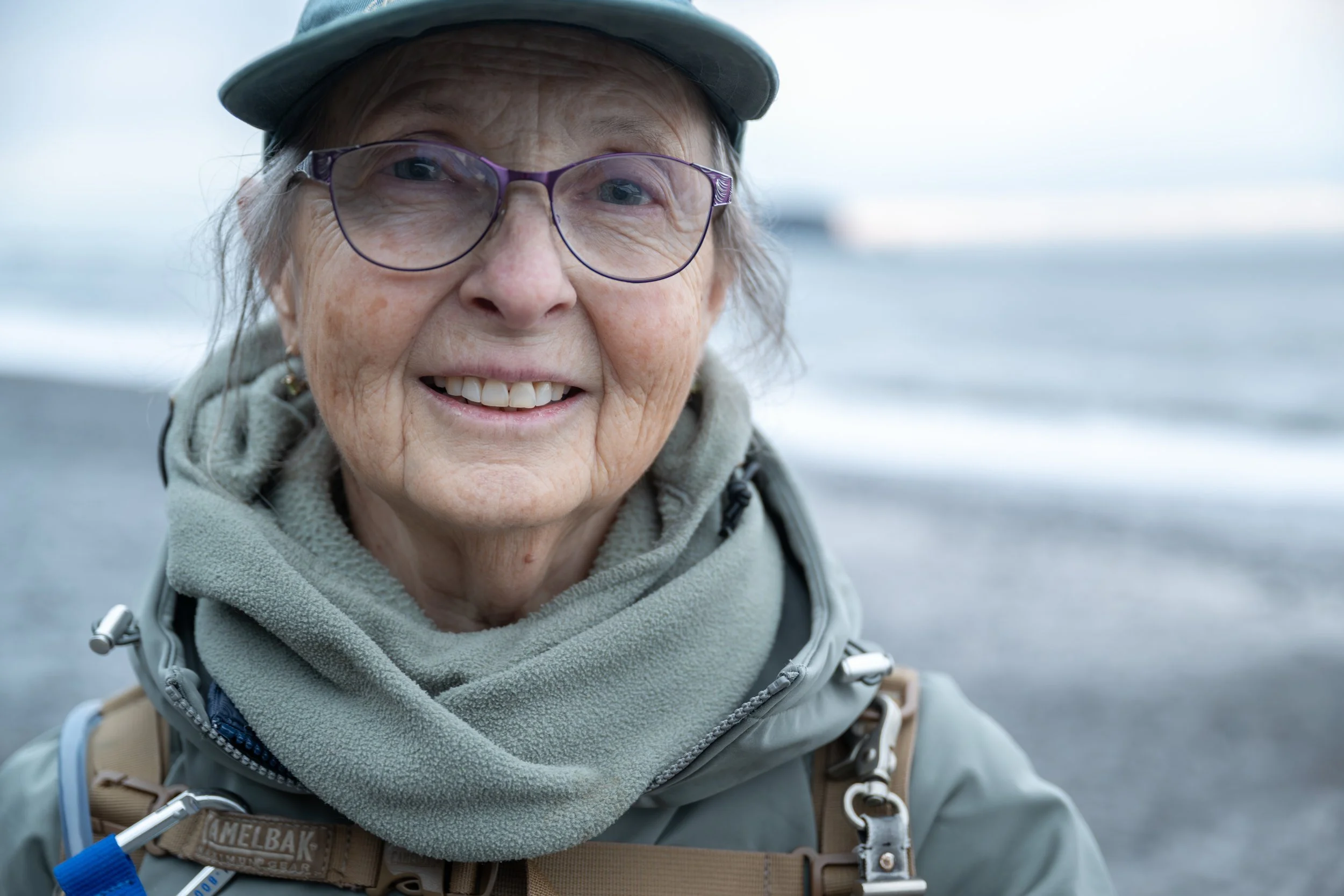
Silversmith, Su Kirk
There is a myth that sea glass comes from mermaid tears, shed over the harsh hand dealt to them by Neptune, god of the sea, or the loss of a beloved sailor. They come in all colors, one of the most rare being red, and Su’s eye can spot a good piece in even the rainiest weather on the west coast of Washington state.
Su learned silversmithing decades ago, and chose it over other types of metal simply because it was the kind she could afford at the time. She tried her hand at pottery, goblet making, and copper-work too, but eventually leaned into the niche of silver jewelry, investing in equipment of all sorts—which helped expand her ability to create a variety of pieces and develop her own personal style of work.
“I like going and finding the sea glass—that’s my obsession now,” she said as we walked along the beach, scarves and hoods wrapped snug around our faces to protect us from the rain and wind of an early winter day at the beach. She’s been in Washington for thirteen years after moving from her lifelong home in Arizona. I told her I thought that was a pretty big shift when it comes to climate and she said, “Yeah, I’d wake up every morning, the sun was shining, and I’d get pissed off. You know, you can only take so much, and it was hot, and getting hotter all the time!” She was certainly ready for a change, and added “…plus there’s no beachcombing in Arizona!” I once lived in Arizona too, and though I’m sure it’s a blessing to many sun-loving folks, I tend to agree with Su on this one.
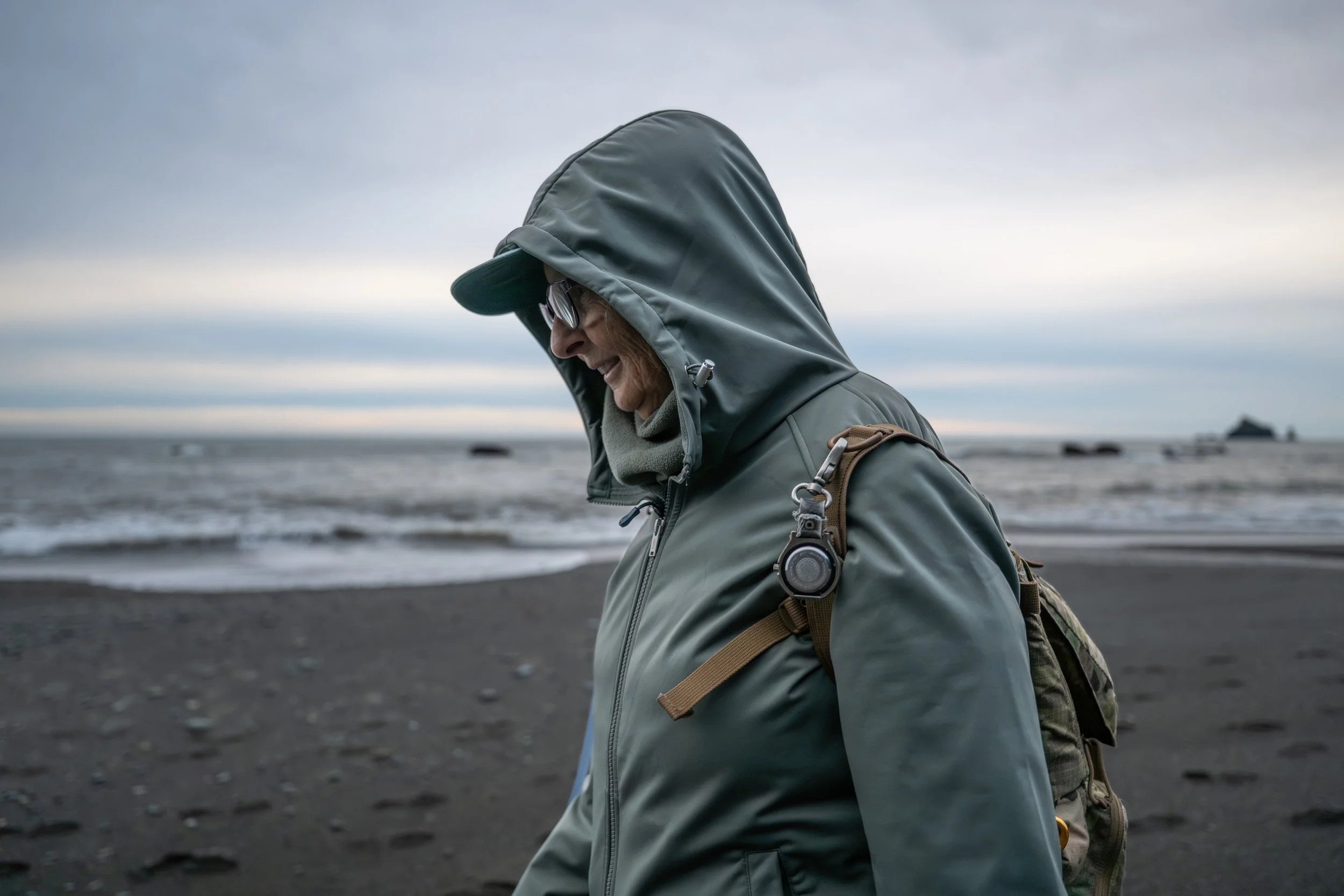
Scanning the sand for sea glass.
But life can throw occasional unpleasant surprises in our path and when Su’s husband had a stroke, she had to sell her equipment. Thankfully, she was able to sell it to a friend who doesn’t mind sharing, so Su still uses it to further her jewelry making efforts. She has a lot of favorite pieces and sometimes asks herself, “Why did you sell that? But you can only have so many size 8 rings, because you know, that’s my size!”
I asked Su if she could name one of her best beach finds. I guessed she might say she found a piece of antique jewelry or a message in a bottle. But no. She took a beachcombing trip a few years ago and stumbled upon a deceased whale! Then, last September, she returned to the same spot and found the entire skeleton still intact.
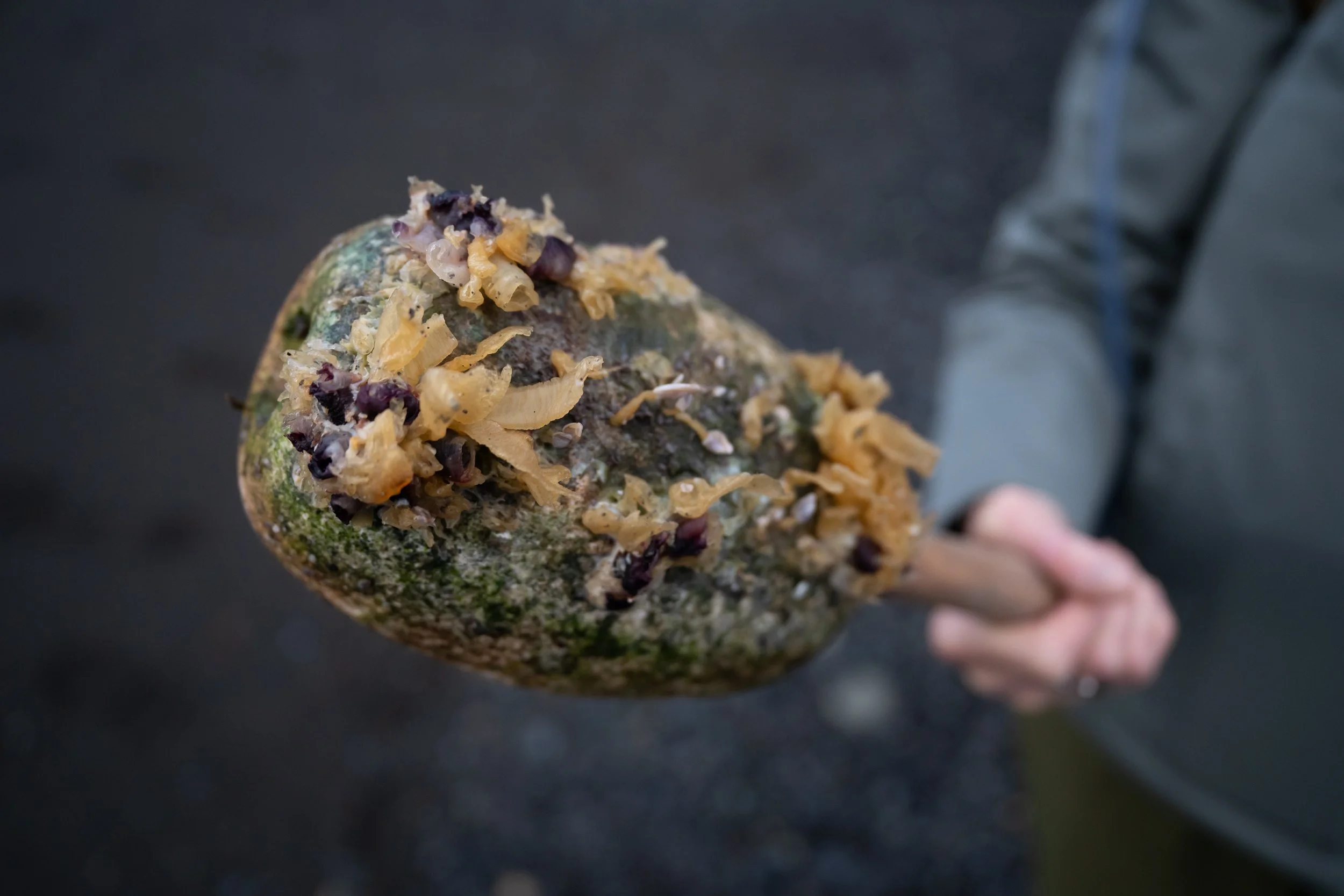
A beach find from our walk together.
Su and I walked and talked for two miles along that beach. She was constantly scanning the ground, investigating interesting pieces. “Is that an agate,” I asked when she showed me a pretty rock. “Yep,” she replied, “and they feel waxy.” These days, aside from her time on the beach, she finds ways to stay busy, like when her six grandkids come to visit, or when she teaches yoga (going on 13 years) at the community center. She wants to be able to go to the beach in her eighties, “…because the minute that I can’t go to the beach it won’t be worth it…I keep teaching yoga because I always thought that [eventually] I can go down to a resort in Costa Rica or something, and I’d still be flexible. I could still go to the beach!”
Sea glass, originally discarded trash, is a symbol of transformation and healing. Su takes that concept a step further by giving each piece a new life, a meaningful one where it is loved and appreciated. If you’re ever at a Washington beach, keep an eye out for Su in her distinctive white Jeep, the one with a collection of rubber duckies in the window. And thank you Su, for spending time with me and opening my eyes to the creative beauty of an ordinary piece of broken glass. Check out Su’s beautiful jewelry on Instagram and Etsy @seahag101.
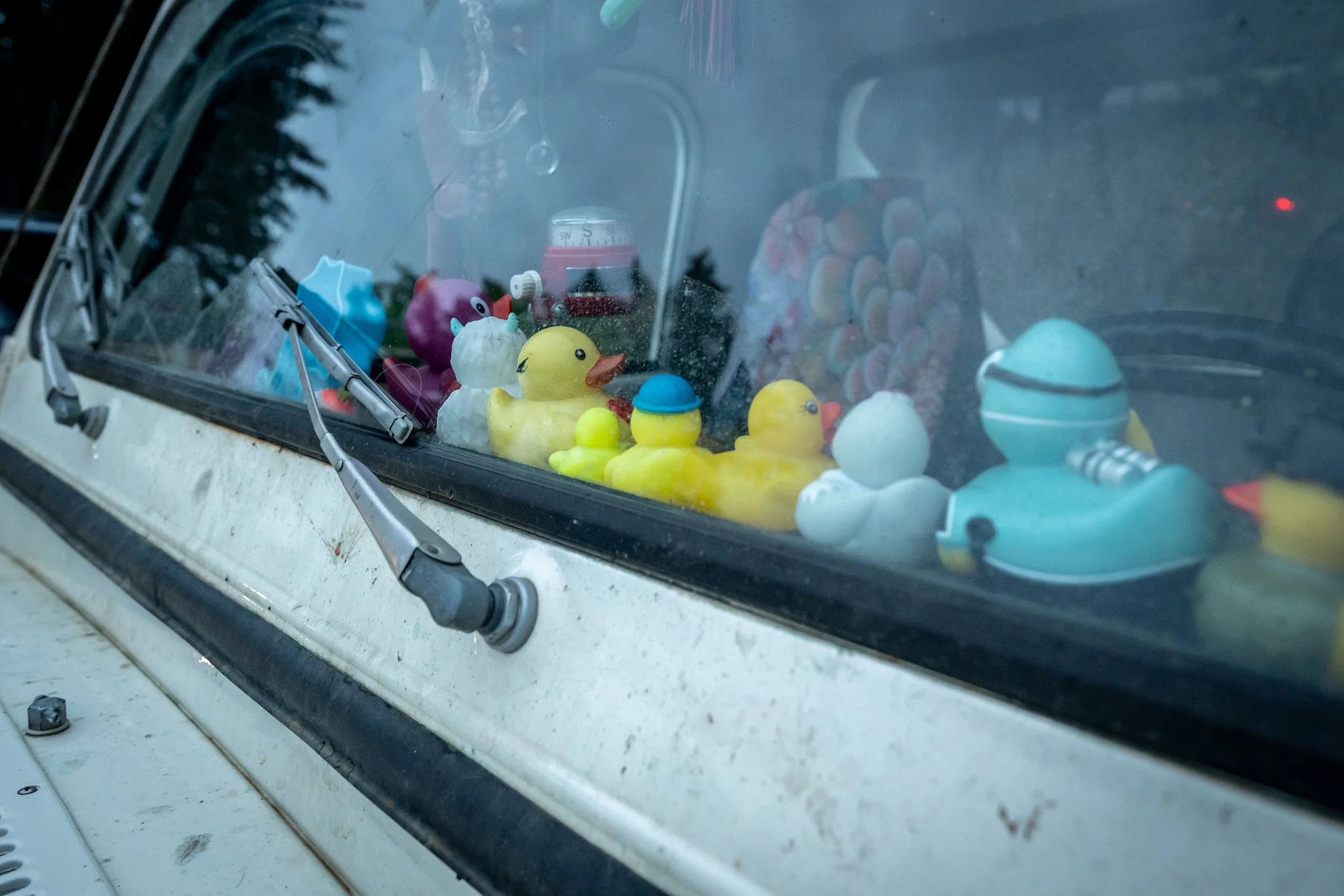
Find Su on a Washington beach, or on Instagram and Etsy @seahag101.
Now, you all know what a fan I am of telling sweet stories like this, especially if it inspires you to tell your own. RootsTech is coming soon, an annual family history convention where you can learn more about your own story. Registration is open and the class schedule is now available, so sign up today!
The Art of Being Carol
I’ve been talking to strangers again, and I found an award winning artist in a tiny town near Olympic National Park—Carol Simons, who has a knack for sharing the beauties of the world.
I’ve been talking to strangers again, and I found an award winning artist in a tiny town near the incredible Olympic National Park—Carol Simons, a vibrant, kindhearted, and warm lady in the golden years of life. And boy, has she got a knack for sharing the beauties of the world.
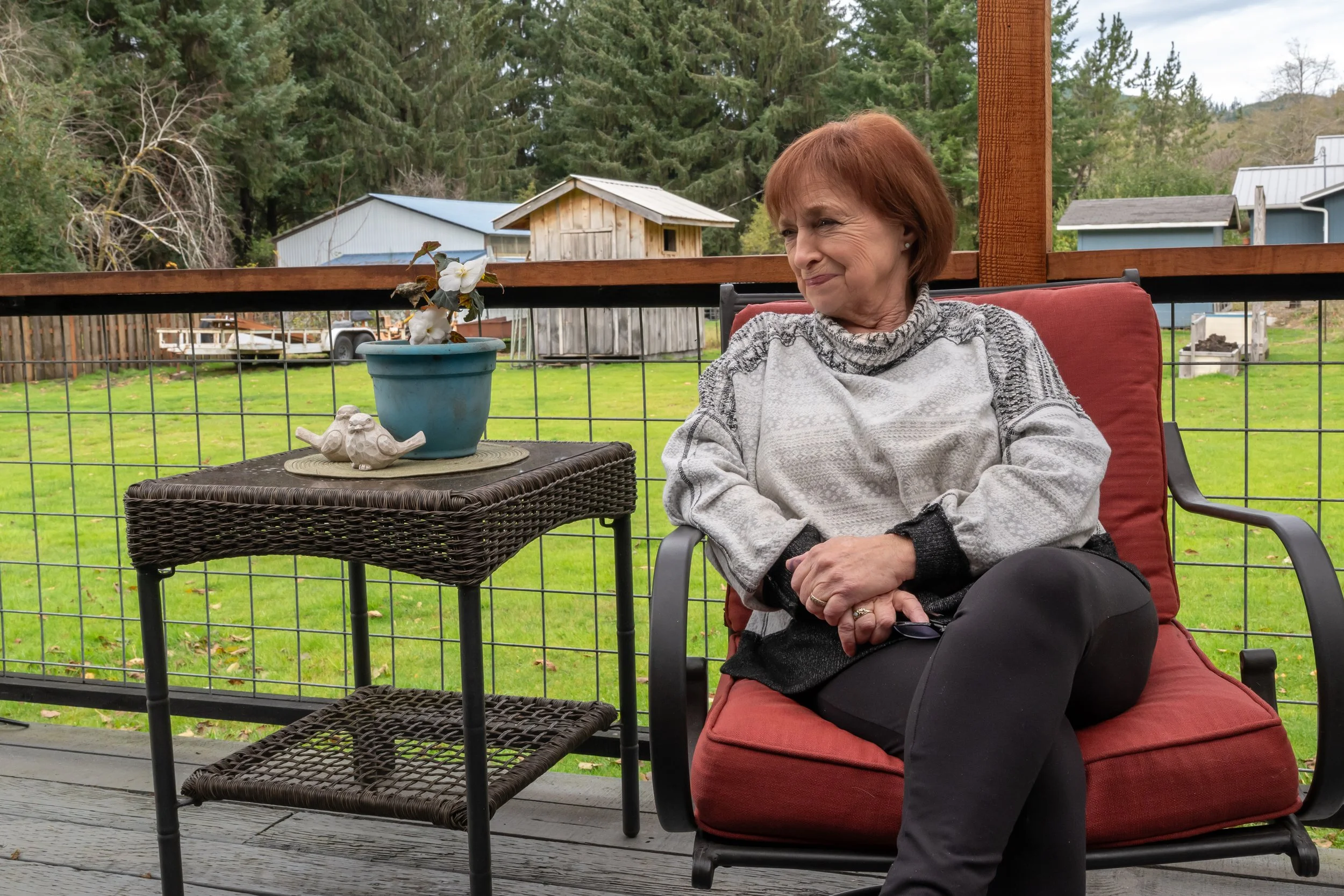
Artist Carol Simons
I met Carol via Forks, Washington’s Olympic Artforge, the accurately self proclaimed “headquarters for local art and expression” on the west end of the Olympic Peninsula.
Now, on a scale of one to ten, my level of enthusiasm for talking on the phone with someone I’ve never met is between a negative two and zero. But I dug down deep in my pocket for a bit of courage and took it when Artforge owner, Vern Hestand, called Carol and handed me the phone before I could stop him.
Her friendly demeanor immediately put me at ease, and we set up our little get together shortly thereafter. I never know what to expect walking into a new friend’s home for the first time, and my tendency to get absorbed in the visual feast can make it challenging to pay attention to a conversation! Some of you might know what I mean. You may have experienced entering the home or studio of a prolific artist, which is sort of like a private tour of a small museum. It truly leaves a unique impression on ones heart.
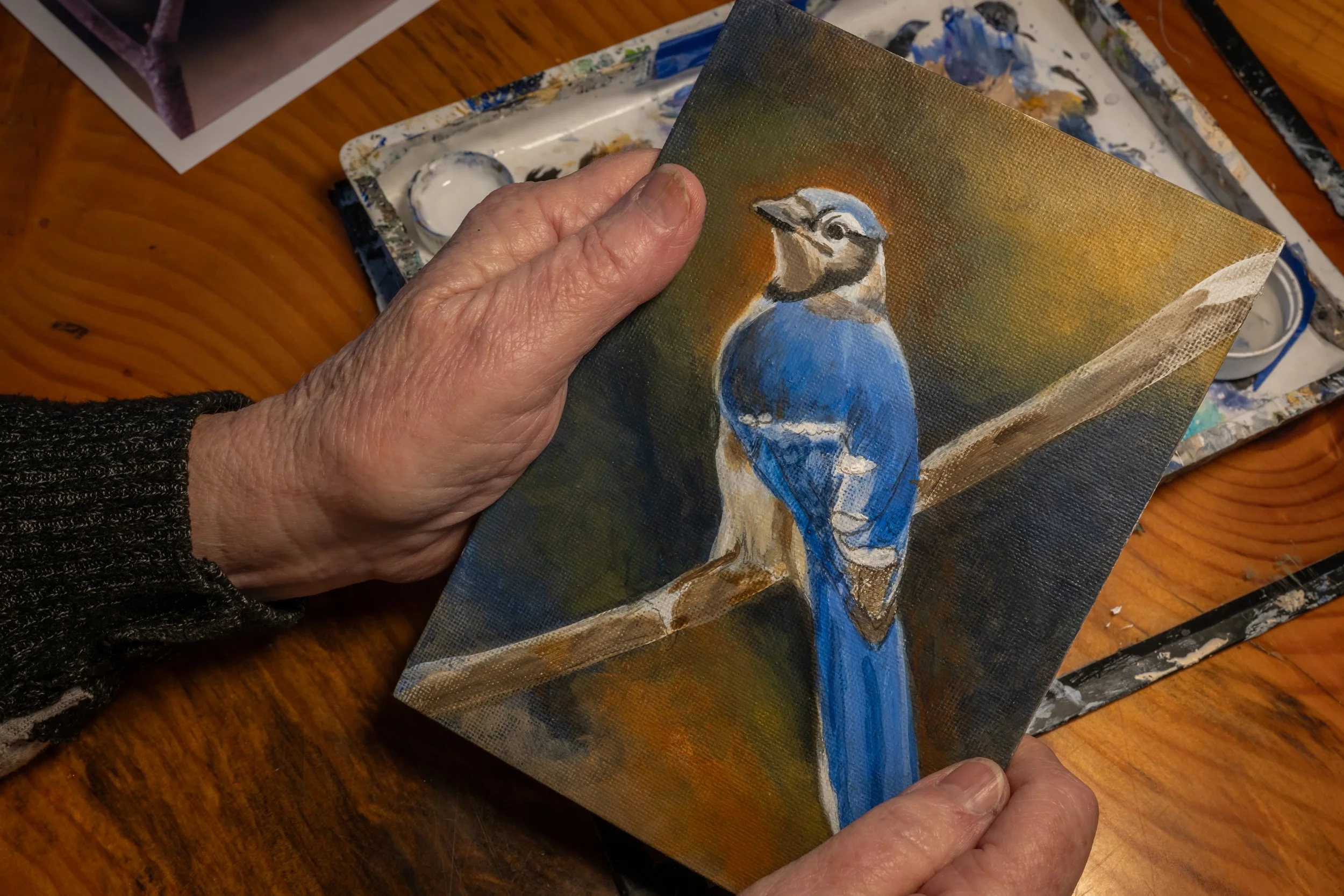
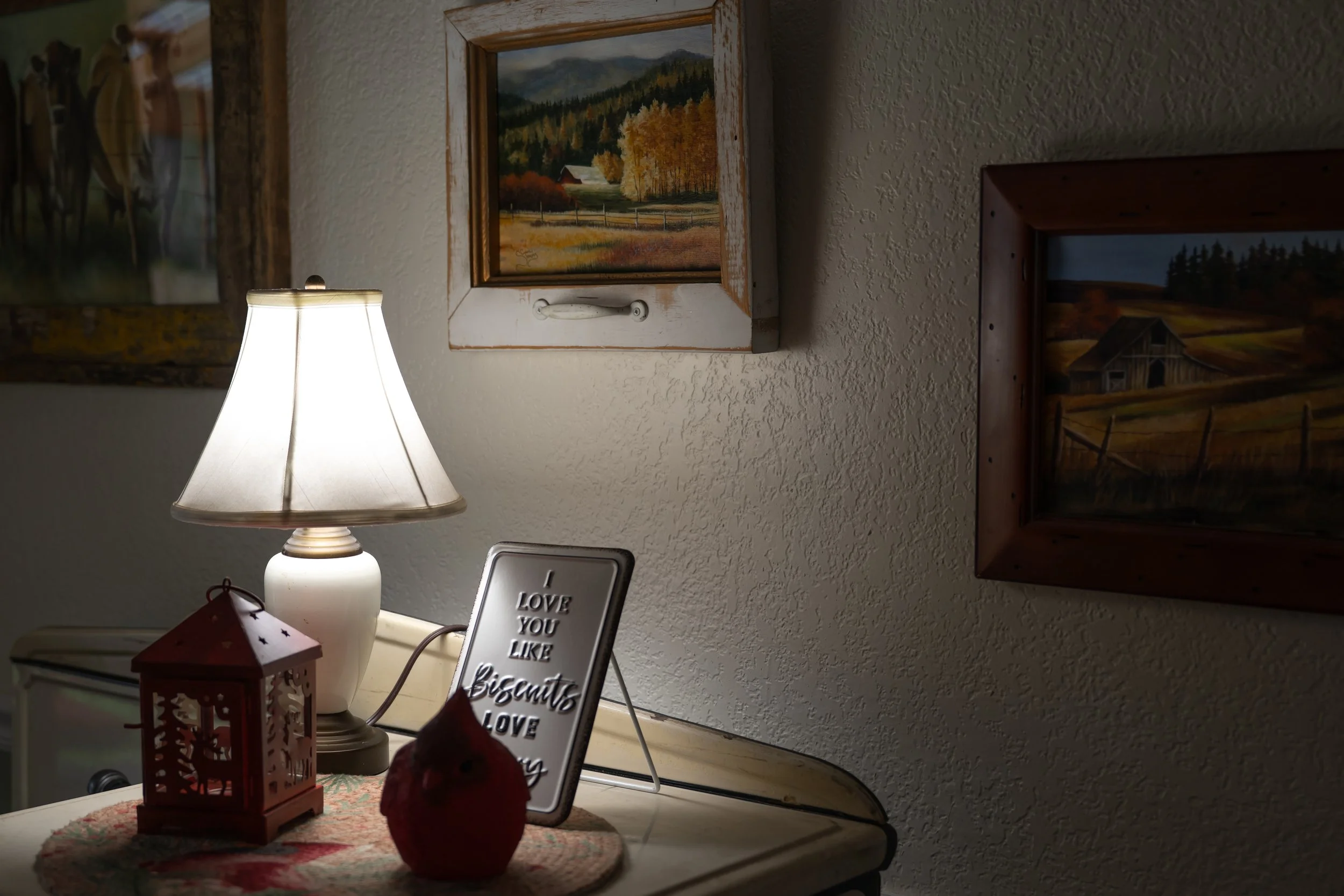
Carol’s sweetheart has lended his loving support of her artistic talents. He helped build her home studio, plus one ultra handy contribution in particular—several narrow shelves on the walls for Carol to display her varied works. “Whatever I get an emotional reaction to when I see it, that’s what I paint,” Carol said, noting that it’s more exciting and moves quickly from concept to completion than a commissioned painting does.
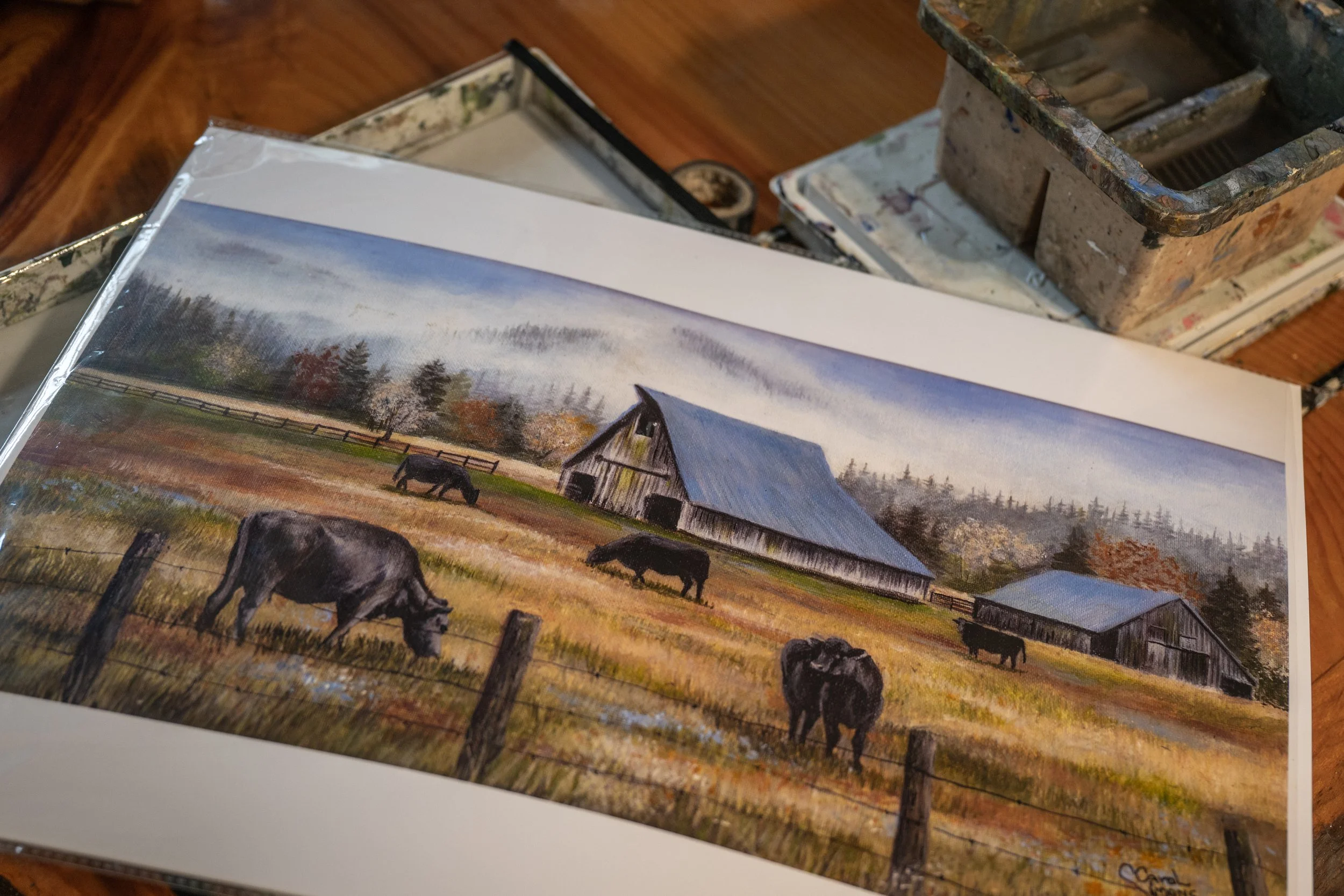
She told me a story about a time when the two of them lived in Idaho near the rural town of Potlatch. They bought a forty acre farm and spent twelve years renovating it. The area is still noted for its beauty and Carol suggested I take a trip to The Palouse, not far from their farm. It’s a place photographers tend to visit to capture the many rolling hills, farms, and timber. She herself fell in love with some of the sights, and painted these particular scenes…
Aside from her art, she once took a job at a tree farm, cooking for thirty boys (which made my jaw drop). She laughed and said, “It’s like I had a budget where I could buy anything I wanted, so I made things I’ve never made and couldn’t afford to make.” I would bet those boys still remember her to this day. An illustrated, themed cookbook, reminiscent of those days might be a good idea. I know I’d buy it!
Actively involved in the community, Carol told me about an upcoming Makers Market, and I was glad to know I’d still be in town to attend, which I did. She and a couple of other local artists set up a free watercolor table for attendees to try their hand at it. My husband, Dave, and I sat down in the back surrounded by the smells of hamburgers being prepared by the local Elks Lodge volunteers. We selected our desired sample painting, and then attempted to make our own version with Carol’s help and instruction. What a fun way to connect with community members of all ages!
Find Carol on Facebook and Instagram @carolsimonsart
Can you think of someone like Carol who has the natural ability to open your eyes to the beauties of the world through art, community connection, story telling, or some other ability? How does that person make you feel? Carol is so unassuming that I don’t know if she realizes how memorable my experience with her was. I felt so warmly welcomed and comfortable snooping through her studio. She even sent a small painting home with me, a cat that she didn’t know reminded me of my own kitty that died about a decade ago. I’m looking at it now as I write.
The person you thought of…what if you honored them with a short tribute? Write a blog post, add them to your journal, or put them in your family tree. FamilySearch is a free resource for keeping track of the stories that hold a special place in your heart. If signing up feels daunting, click HERE to find a volunteer center near you where someone can walk you through the process.
RootsTech, sponsored by FamilySearch, is an annual genealogy conference where beginners and experts alike learn how to make their family tree come to life with stories like Carol’s. The conference is free online, but in-person early bird pricing ends soon. Check it out by clicking the picture below.
Mark, The Mountaineer
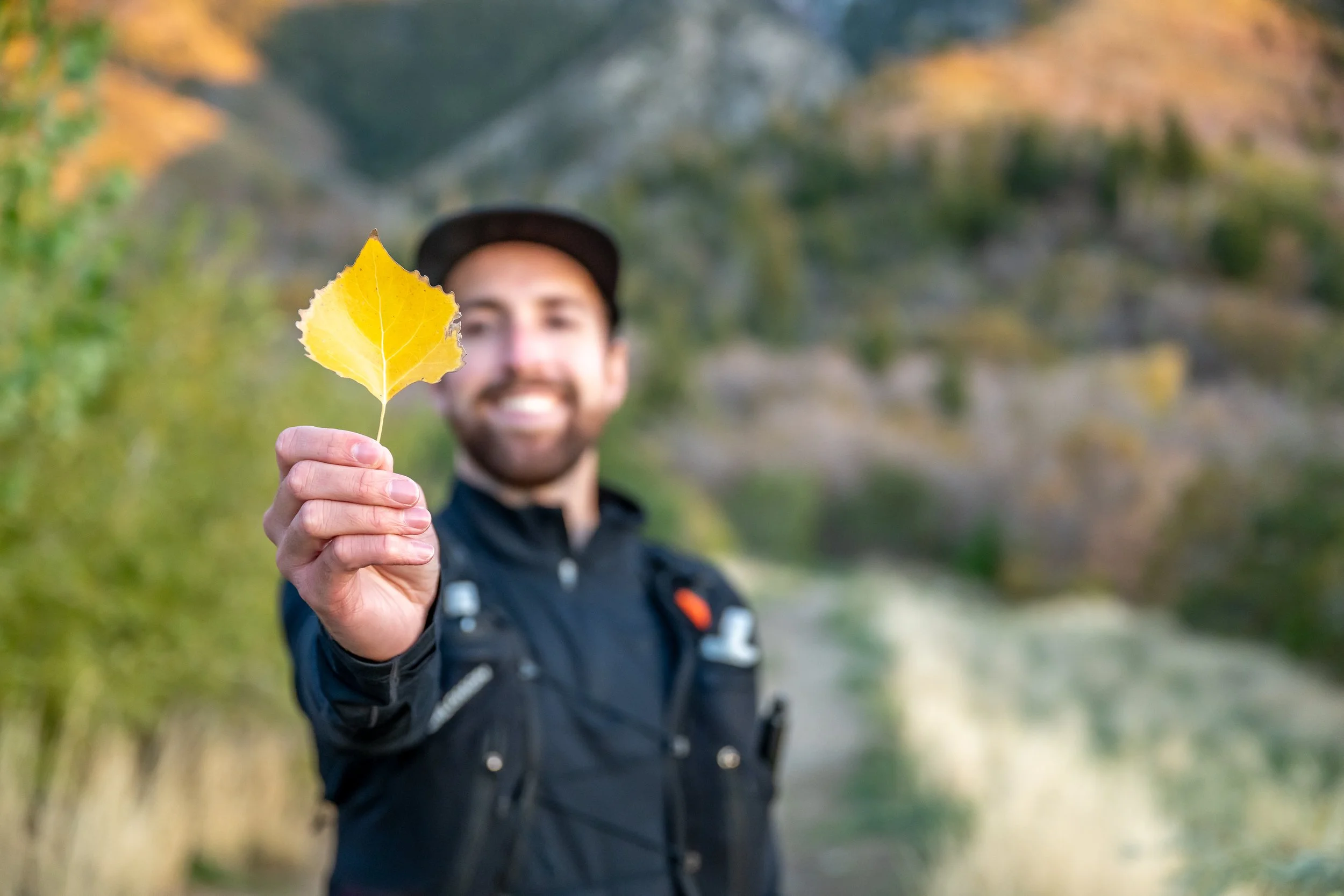
I asked Mark why he loves hiking so much, and his answer was more in depth than I expected.
I don’t know if anyone else calls him that, but after observing Mark’s adventures over the months via Instagram, I feel it’s very fitting. For him, hiking is more about the impact it has on the soul than the vertical elevation gain—although there’s definitely plenty of that.
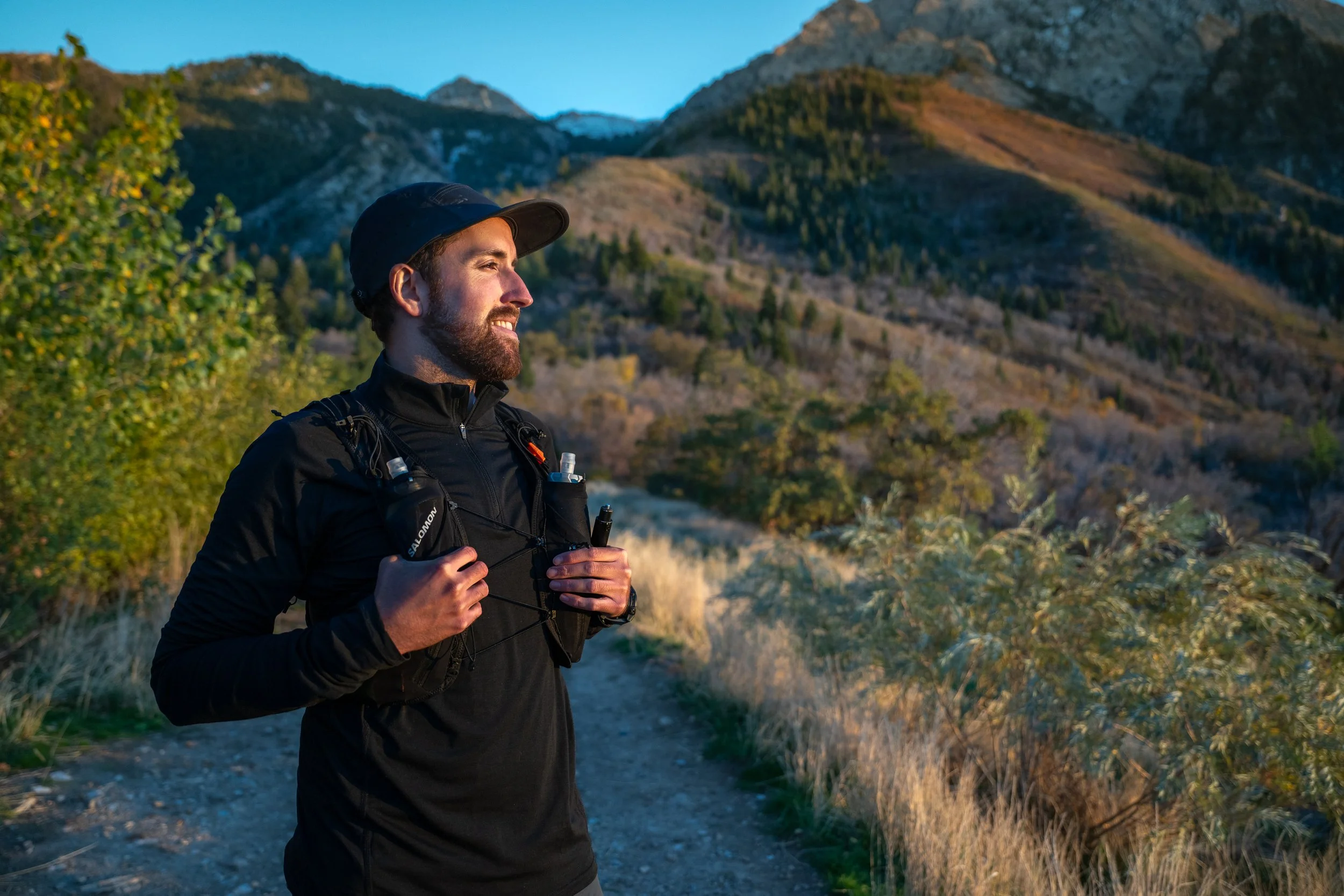
Mark, enjoying the sunset in Neffs Canyon
I asked Mark why he loves hiking so much, and his answer was more in depth than I expected, which was a wonderful surprise. He said, “…the mountains have become a place of transformation for me—mentally, emotionally, and spiritually. They’re where I feel most grounded, most awake, and most alive…[They] remind me to slow down, breathe, and reconnect with what actually matters.”
What then is something that actually matters to Mark? I asked him to share with me an event that shaped his life and he mentioned meditation. He said, “Learning how to sit with myself—my thoughts, emotions, and inner world—was the foundation for everything that came after. [It] shifted my relationship with the outdoors. Instead of seeing nature as a checklist or an achievement, it helped me experience it as presence—a place to be, rather than a place to prove.”

I’ve mentioned before that people often come to important life lessons via uncomfortable struggle, and Mark has had his share. He told me about a difficult time in his life, and with his permission I’ll share with you what he said.
“Another major turning point was in later life when I went through ketamine-assisted psychotherapy during a difficult period of depression and anxiety. Those sessions helped me process old emotional weight, confront parts of my life that weren’t serving me, and find the courage to make necessary changes…Meditation and therapy taught me that healing and growth are internal first, and once that foundation is built, everything else becomes richer, more intentional, and more authentic.”
We see the beauty of change in the fall colors of Neffs Canyon, where Mark and I met for this photoshoot. Change can be good, and though our culture teaches us that it’s important to be who you really are, no apologies, I want to add that being our authentic selves usually involves an ongoing shift of perspective. It can be a beautiful process, just like Mark’s experience.

Mark, trail running in Neffs Canyon
Aside from hiking and trail running, Mark is also a photographer. When he was a teen, his hero was Chris Burkard. “He was the first person who genuinely inspired me and shifted the way I saw the world. Before he was the globally recognized outdoor photographer he is today, I discovered his work on Instagram, back when the platform was still new. His images…had a storytelling quality that went far beyond just taking a pretty picture. His work is what inspired me to buy my first real camera, and it’s the reason I’ve now been photographing landscapes and wildlife for over 15 years.”
The sheer amount of wildlife encounters Mark has are well documented on Instagram. Maybe I should have called this post Moose Man, because Mark is a moose magnet. I’m pretty sure the Utah moose population has a fan club that discusses Mark’s adventures while munching on snacks every evening. Fun fact: Mark recently went to the Grand Tetons and snapped this beauty…

Grand Tetons, by Mark McCammon
I asked Mark What is the best advice you’ve ever received? And he said, “…to observe without reacting—to watch my thoughts, emotions, and internal dialogue the same way I would watch clouds pass overhead. It sounds simple…but when you don’t immediately react, you create space for clarity, emotional intelligence, and presence.” He had one more bit of advice that he lives by too. “Everyone has different wiring, a different source of joy, and a different environment where they feel most alive…[and] the world works because of that diversity.” He said that these two themes are what help him let go of comparison, expectation, and pressure in order to, “…live a life rooted in awareness rather than authopilot.” Well said, Mark.
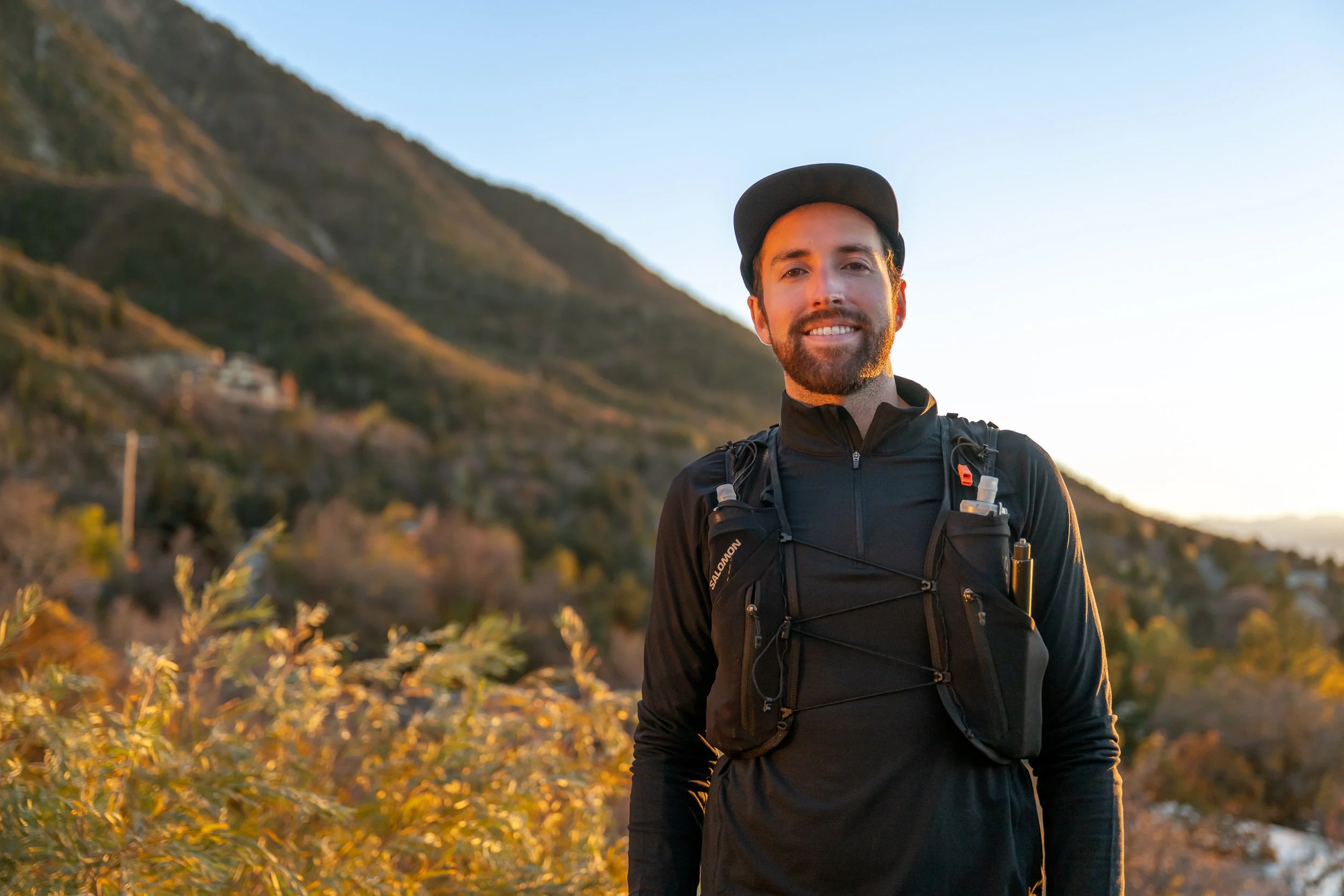
Find Mark on Instagram @falling4utah
Mark recently accomplished his 2025 goal of 250,000 feet of elevation gain, with time to spare, and now he’s bumped it to 350,000! For 2026 he’s set his sites on racing, having already signed up for two Cirque Series (mountain running races) at Alta and Snowbird, as well as the Speedgoat 50k in July. He also wants to travel more—places such as Patagonia, Yosemite, and Washington, and sell his photography at the Brighton Flea Market. “I want to share these places, not just online, but in a way people can hold, feel, and take home with them.”
If Mark’s story inspires you to get outside, he suggests to start small with consistency, “…to begin building endurance, confidence, and technical skill. The goal isn’t speed—it’s presence. You’re learning to move with the mountain, not against it.”
And maybe Mark’s story inspires you to discover more about your own. If so, you might like the idea of a themed journal to help you get started. Click here for some ideas. Your story is important, and worth telling. You are part of a bigger picture that connects us all.

Why Salt Lake City?
I think of Dominic every time I pass Pierpont on my way to the Italian market across the street from Pioneer Park. He used to be an unfamiliar face and date on a piece of paper, until he wasn’t.
The house they’re standing in front of used to be on Pierpont Avenue in Salt Lake City, where the ramp from Interstate 15 to Interstate 80 westbound now sits. I never knew my mother’s Italian grandfather. He died of a heart attack when she was only four years old. But one day I was browsing real estate websites, which is one of my quirky pastimes, and I happened to notice a condo for sale on Pierpont Avenue. The pull was strong and we actually ended up getting a home only two miles from the one he lived in for forty years.
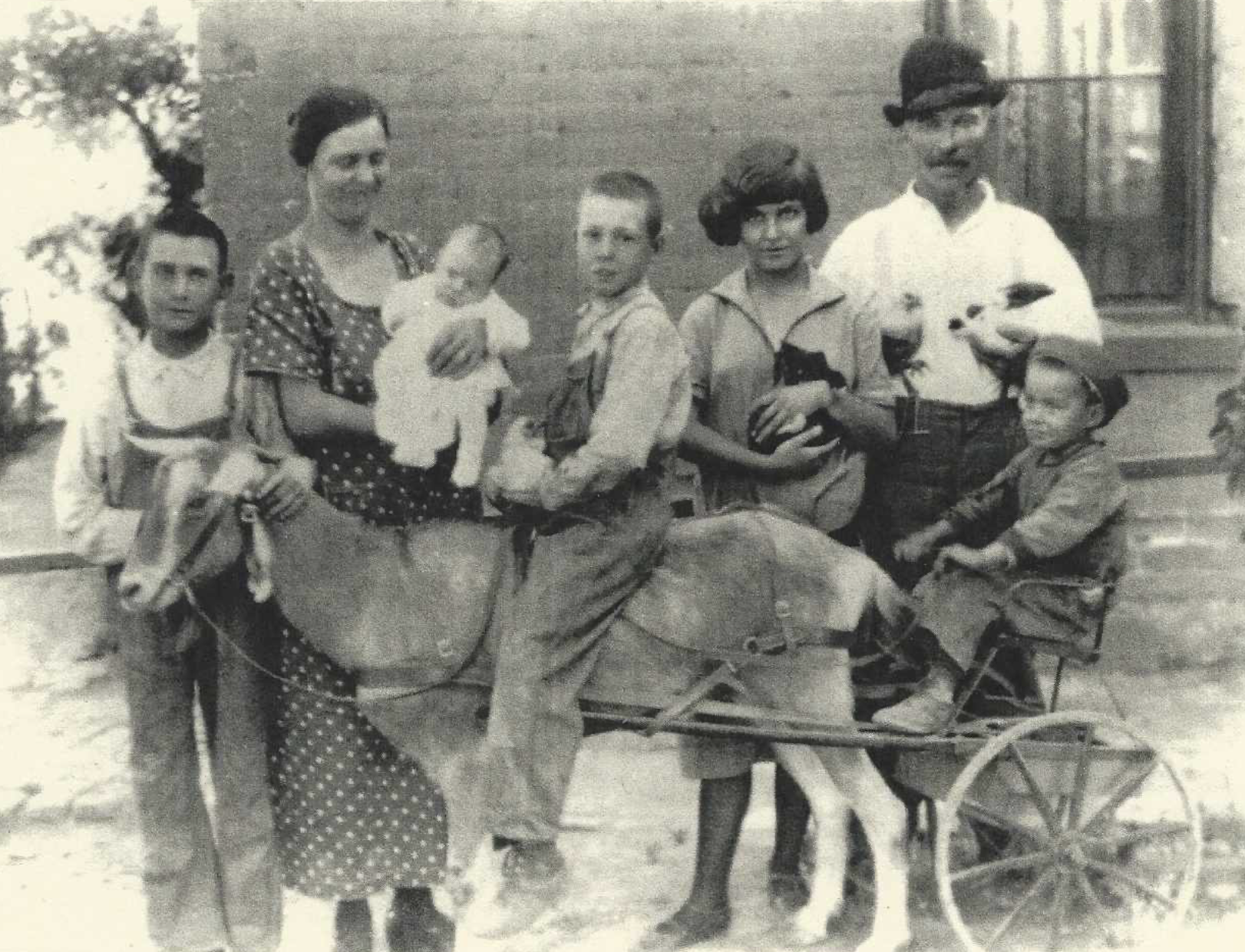
Dominic Colianna with his wife, Marta, and their children.
I think of him every time I pass Pierpont on my way to the Italian market across the street from Pioneer Park. Domonic used to be an unfamiliar face and date on a piece of paper, until he wasn’t. I would stumbled upon new details of his life almost every time I worked on my family tree. Eventually, it dawned on me that he suffered a lot of loss. I actually put together a color coded timeline for myself, in order to understand his entire story in a better light…
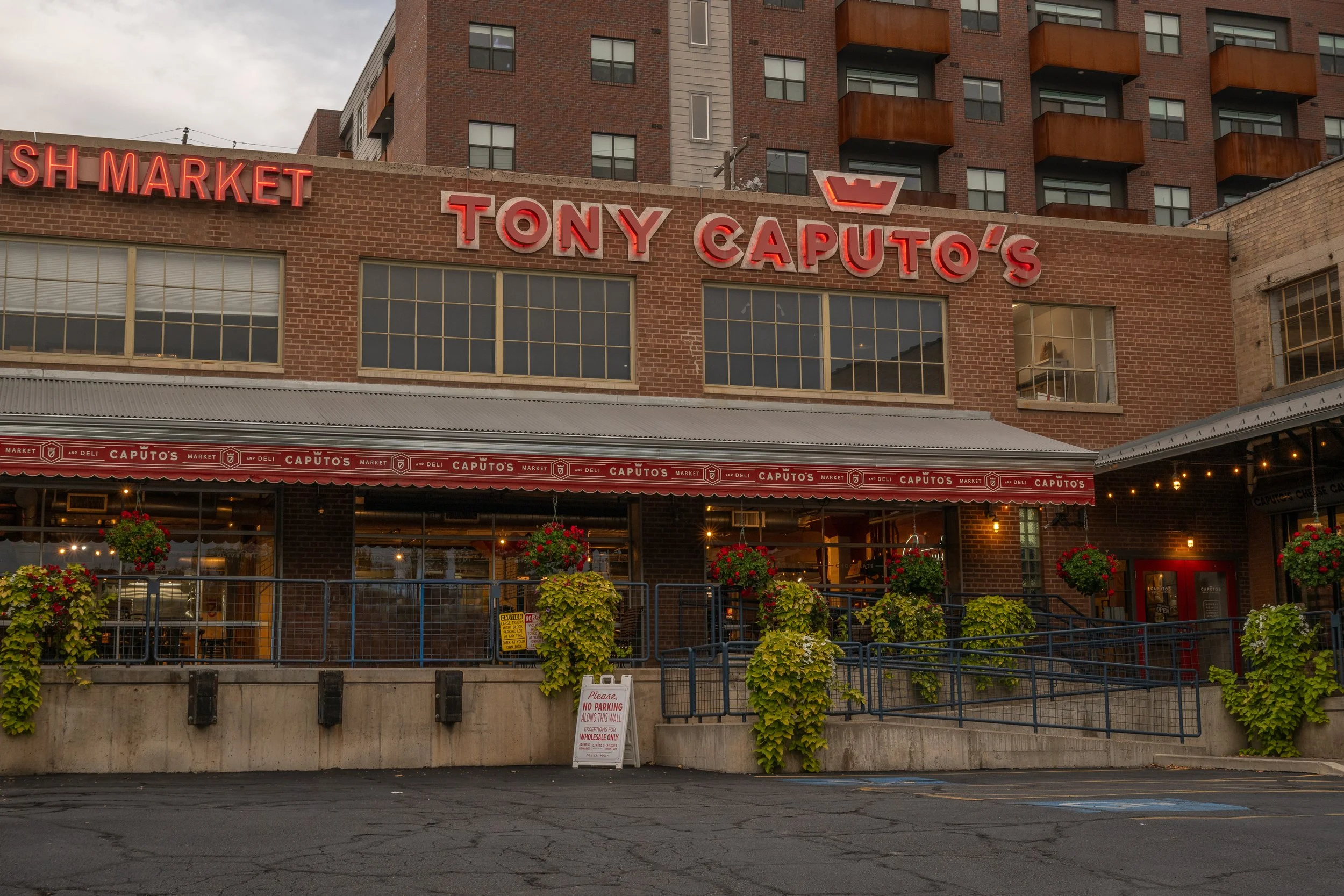
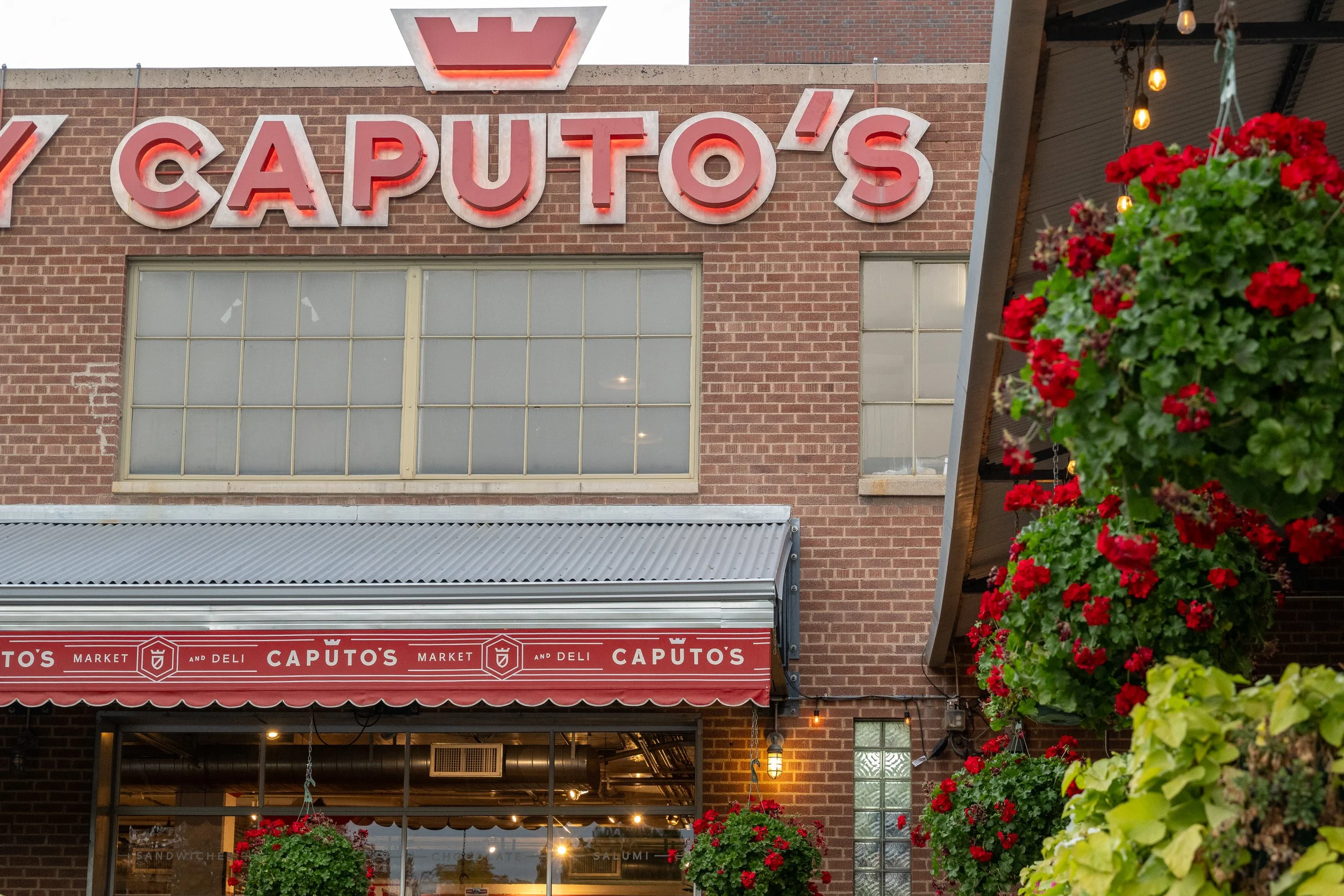
Italian market, Caputo’s, opened in 1997
We often organize our own memories by events: birth, education, marriage, etc. Perhaps one of the more impactful events in life is death. All of us experience the death of a loved one at some point, but we can usually count on one hand how many people we’ve lost until much later in life. Grandpa lost eleven by the time he was fifty—seven children, two spouses, and his parents.
Diphtheria. Tuberculosis. Cholera. Flu. Appendicitis. Cancer. Heart failure.
His first wife was only thirty-six when she passed, leaving him alone with his children. Dominic and Jennie had eleven children, and four of them had already died—and then sadly, another son died only two weeks following Jennie’s death.

Union Pacific depot, built in 1909
This was supposed to be an exciting time to be alive! Cars and airplanes had recently been invented. Dominic found another sweetheart, Marta, to help mother the children and heal his heartache. Union Pacific had expanded into Salt Lake City, and he was working for the railroad. “Talking pictures” were released to the public. Saltair Resort opened on the shores of the Great Salt Lake, and Dominic became a United States citizen. They even had four more children! But along the way, they lost two more sons, as well as Dominic’s parents. Then the Great Depression hit, and another big blow—Marta died of cancer when their youngest, my grandmother, was only three.
I wonder if he accepted these events as a part of life, or if it seemed to him like an overabundance of sorrow compared to other families in the neighborhood. How did he manage? How did he heal?

Their home is no longer standing here, and behind me as I take this picture is the freeway ramp.
I don’t tell this story to say, Look how good we’ve got it today! In fact, the world we live in now has its own kind of prevalent loss that deserves to be validated. But I do tell this story to point out something I realized. Did you see the loss in their eyes when you looked at their picture? I didn’t, when I first saw it. I only noticed a family, with a goat cart of all things. They looked content holding a bunny, two chickens, and a kitten. They must have loved their animals in order to include them in the family picture! And now, knowing of their struggles helps me understand that we’re not alone when we suffer. We’ve got a lot in common, both with those who have gone before, as well as those we pass on the street. The happy and sad is all mixed together like a big goopy mess. It’s survivable—and pretty normal.
So, why Salt Lake City? Because it’s where I was drawn—a sort of magical pull towards this place where my family has been. They were immigrants. Thanks to them I am a privileged American.
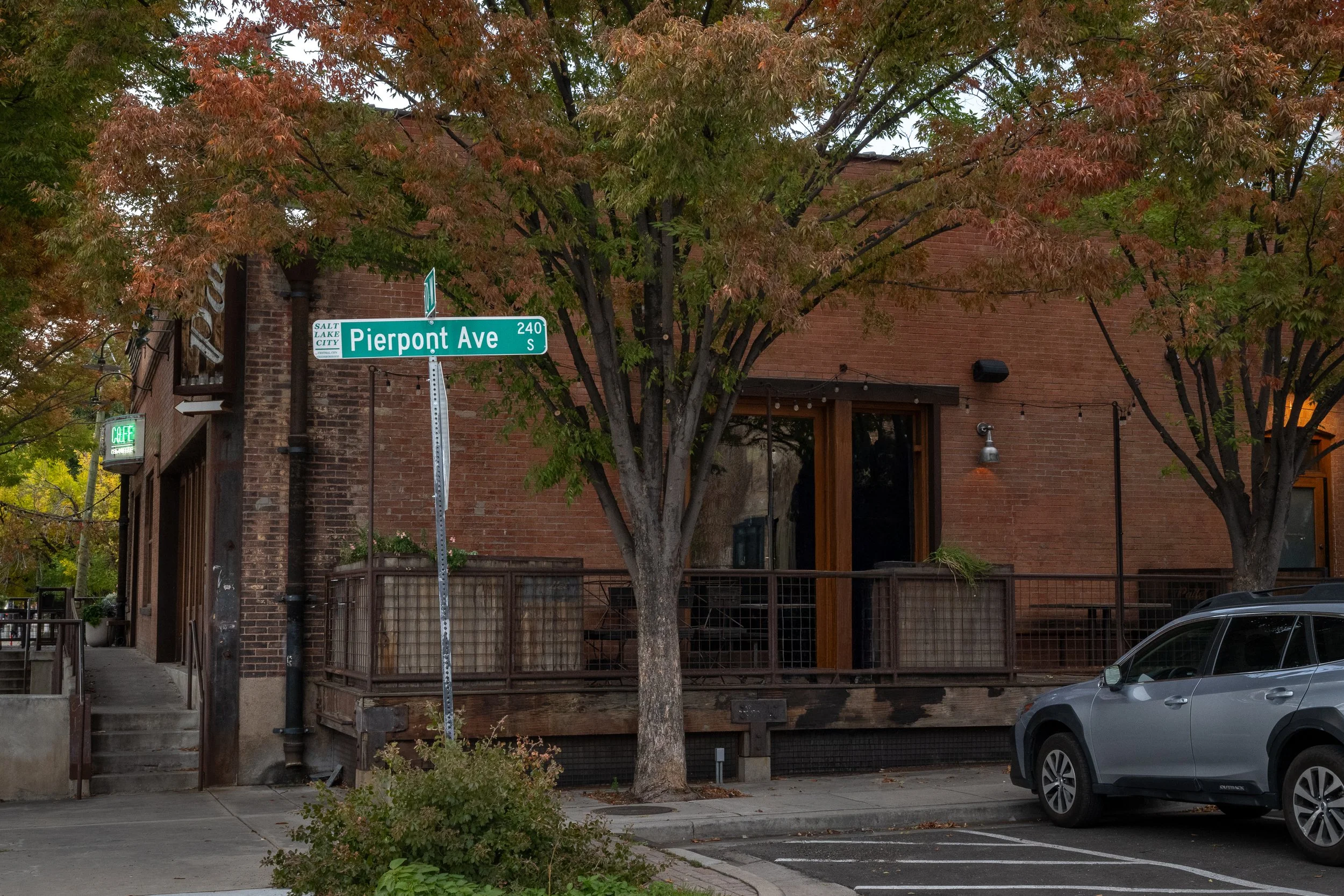
Downtown Salt Lake City on the corner of Pierpont and 400 West
This may be a bit of a downer post for those who like to focus on the positive. I’m not saying I don’t like to focus on the positive. Well, actually I don’t, if I’m going to be honest. I like to be more balanced and real. Acknowledging suffering is a kind of love that gets brushed aside too quickly, too often. It’s uncomfortable. Instead, we have been trained to count our blessings or face the world with a smile. But this kind of love, the kind where we allow people to mourn their losses on their own timetable, is a gift. There are a few people who have given this gift to me, and I find that it helped the joy return, like it always does. A miracle, if you will.
There are stories like this in your family. When you find them, your tree will come to life. Visit FamilySearch.org. It’s free and it may open a door to healing and connection like you’ve never experienced before.

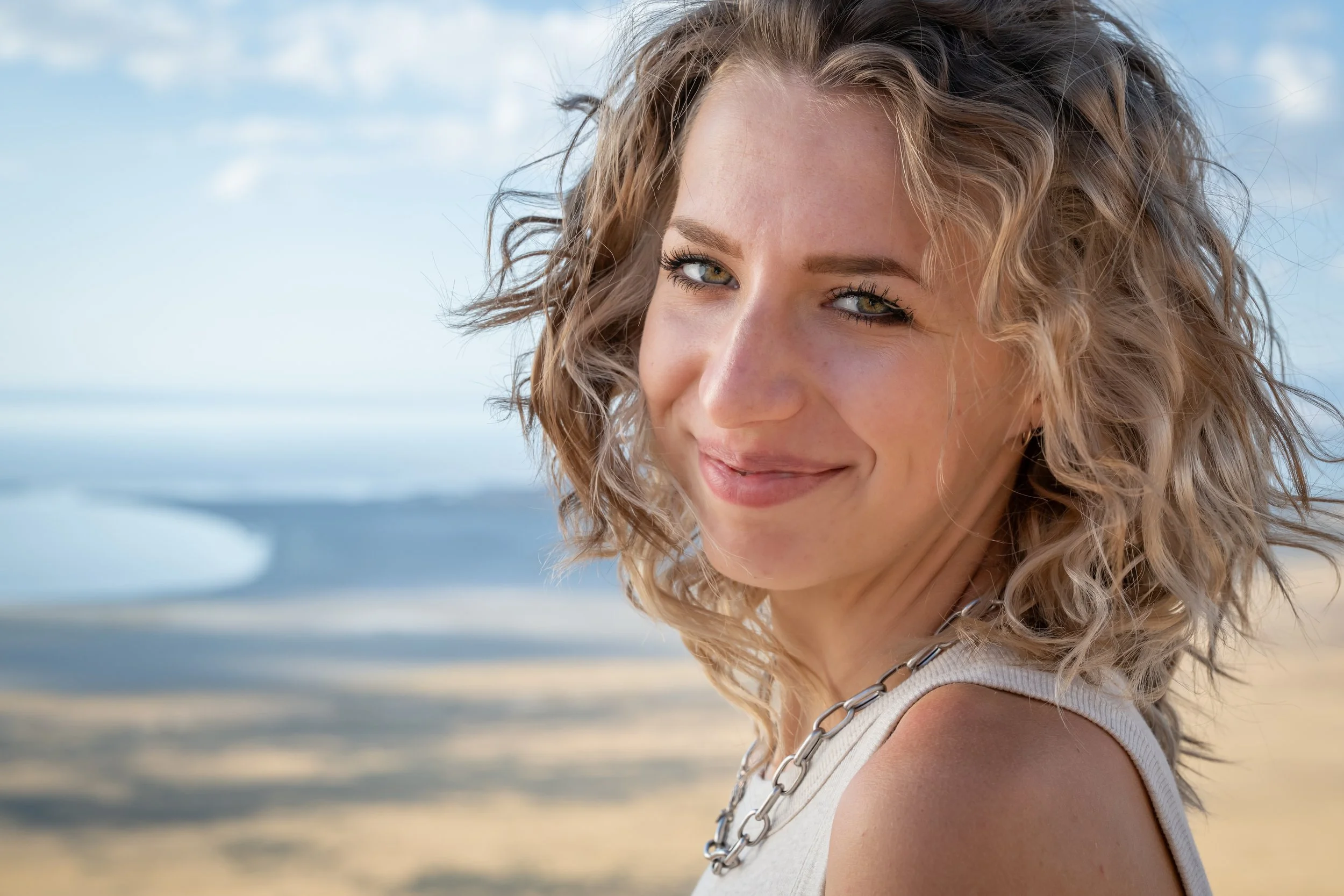
How I met Kameron
Occasionally Kameron and I walked home together and a rare friendship developed. She never seemed to mind that I’m decades older than her. She treated me like I mattered.
Empty nesting can be disorienting and for a little while I didn’t know what to do with myself. For one brief chapter I was in retail at a local bookstore. I didn’t necessarily feel proud of the fact that I could upsale like a pro, but it was a great confidence builder, and the people were good to me—that’s where Kameron comes in. She was one of my beloved co-workers whose optimism and kindness in the face of obstacles continues to be inspiring.
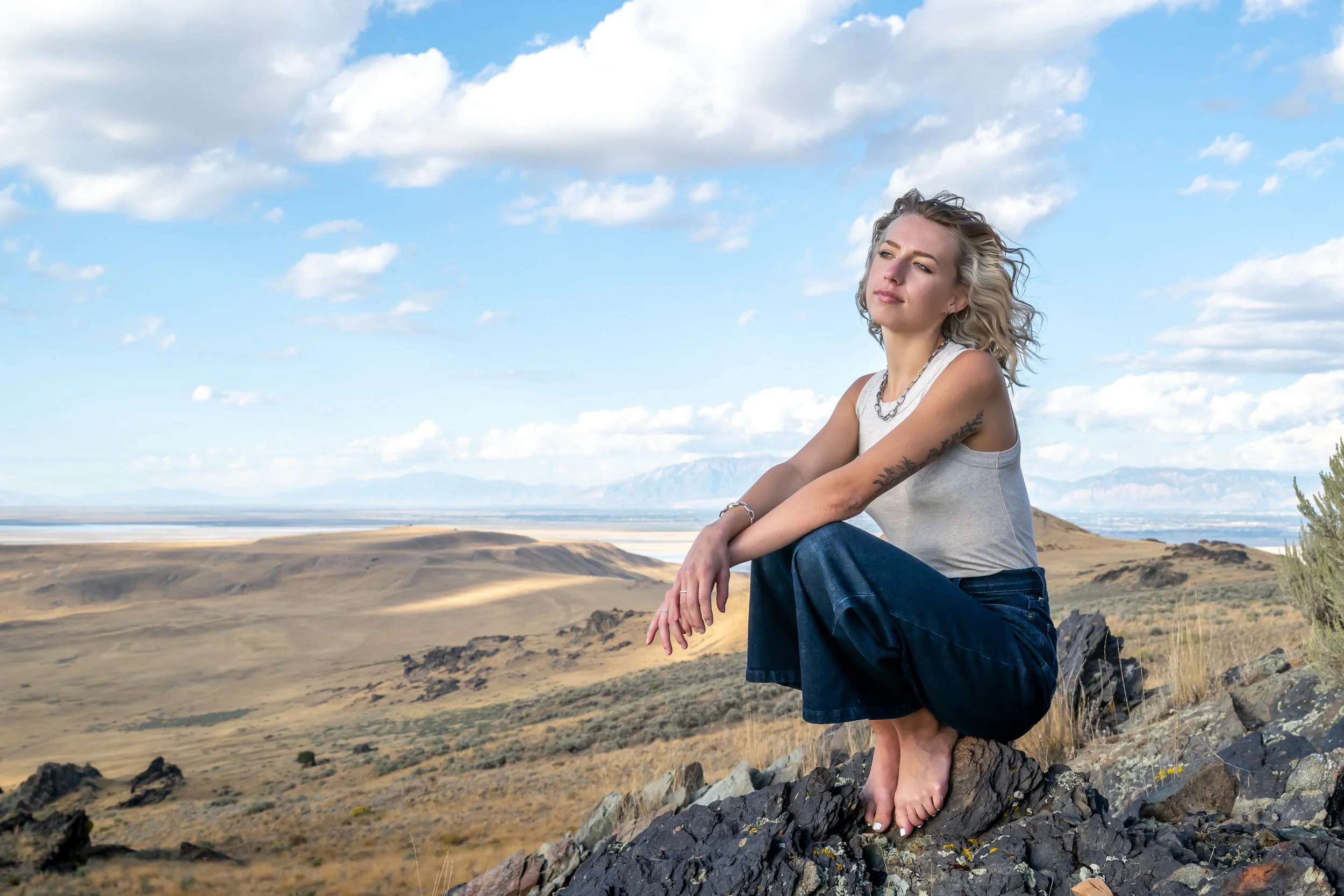
Model, Kameron Rodriguez, Frary Peak, Antelope Island State Park
Occasionally Kameron and I walked home together and a rare friendship developed. She never seemed to mind that I’m decades older than she is. She treated me like I mattered, and I’m pretty sure she’s unaware of the positive impact that had on me.
Kameron doesn’t mince words—she tells you she loves you, and makes an extra effort to shower everyone around her with kind words and gentle understanding. She also happens to be a model, and it was no surprise that she volunteered to do a photoshoot with me when I put out a call for help to expand my professional portfolio.
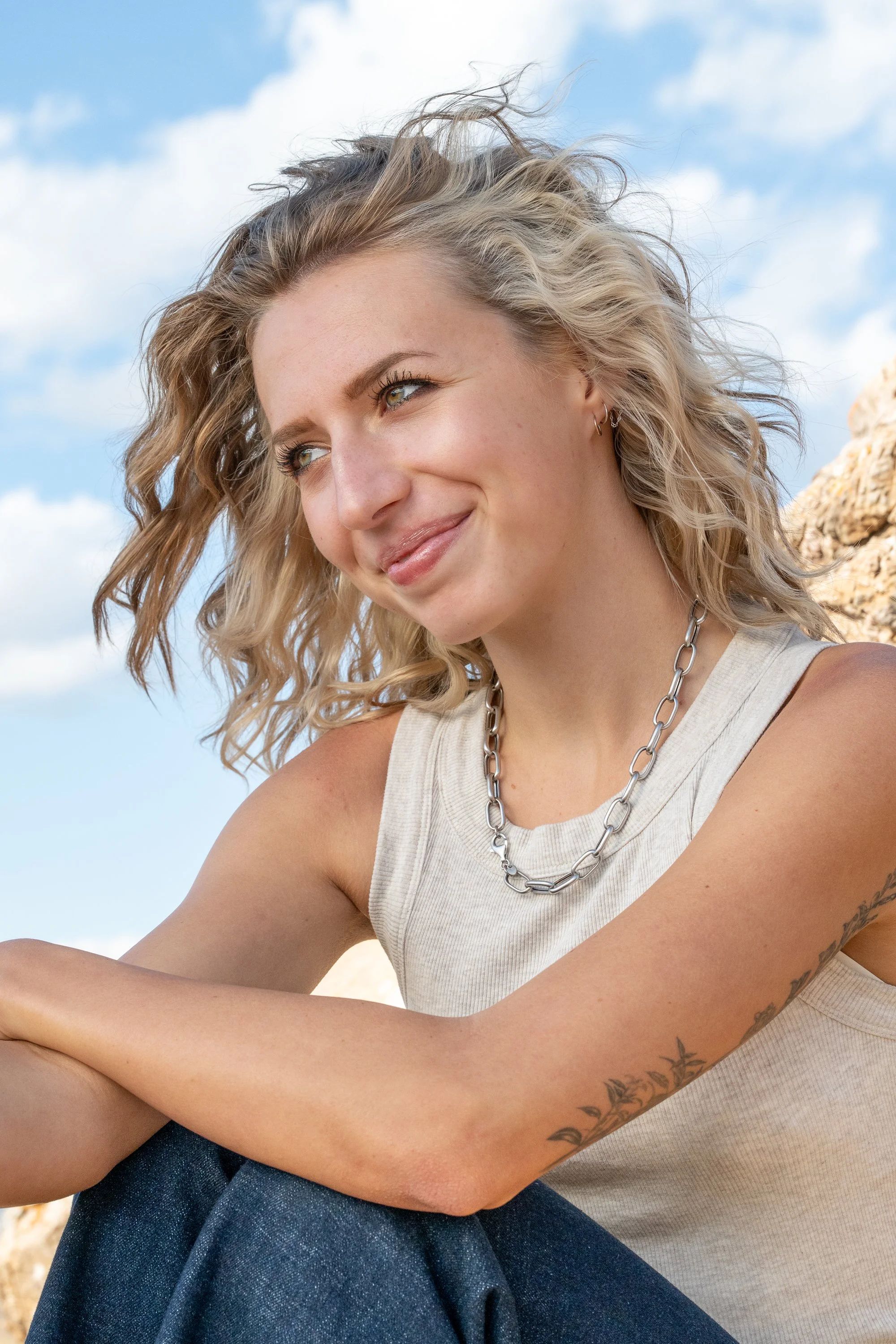
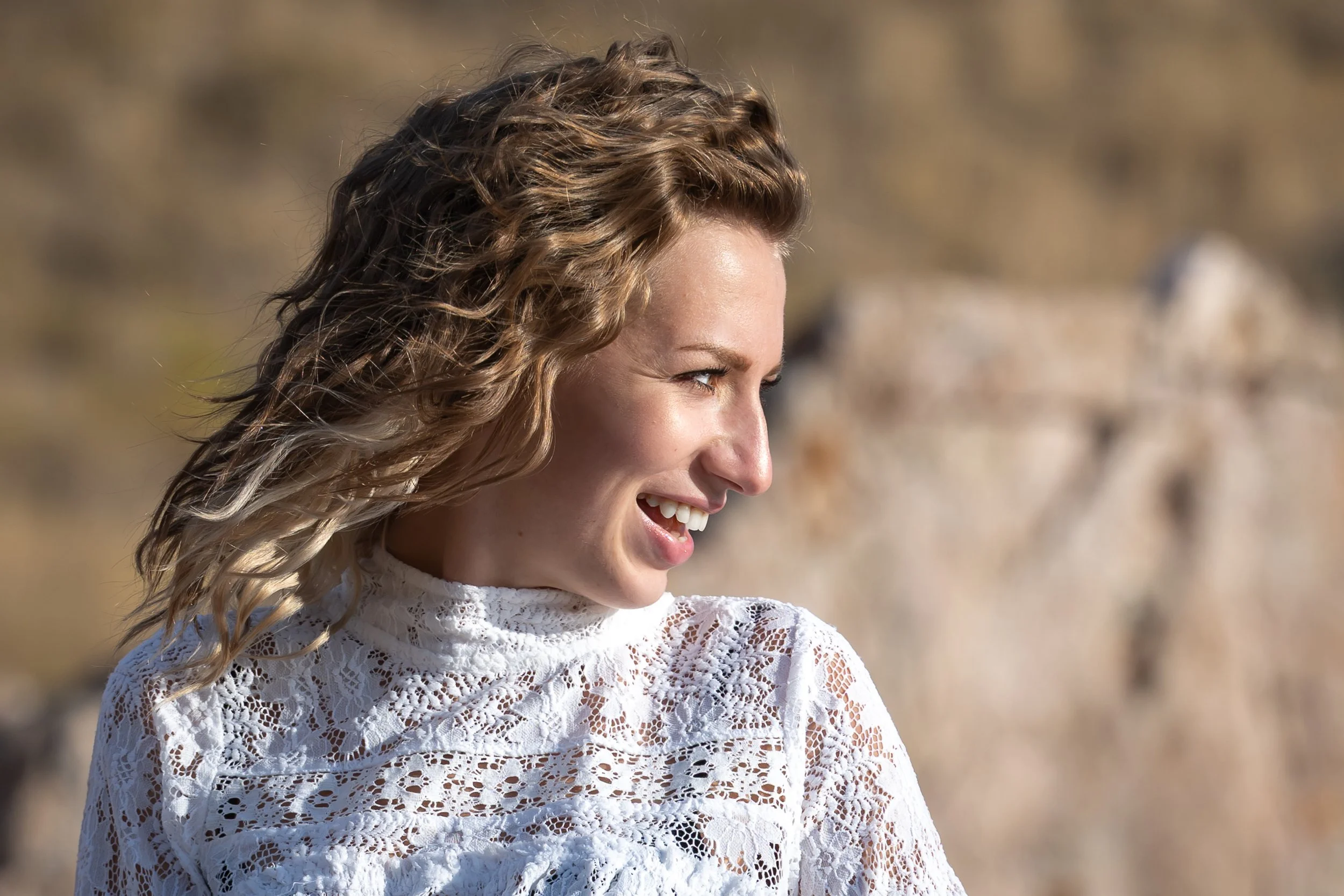

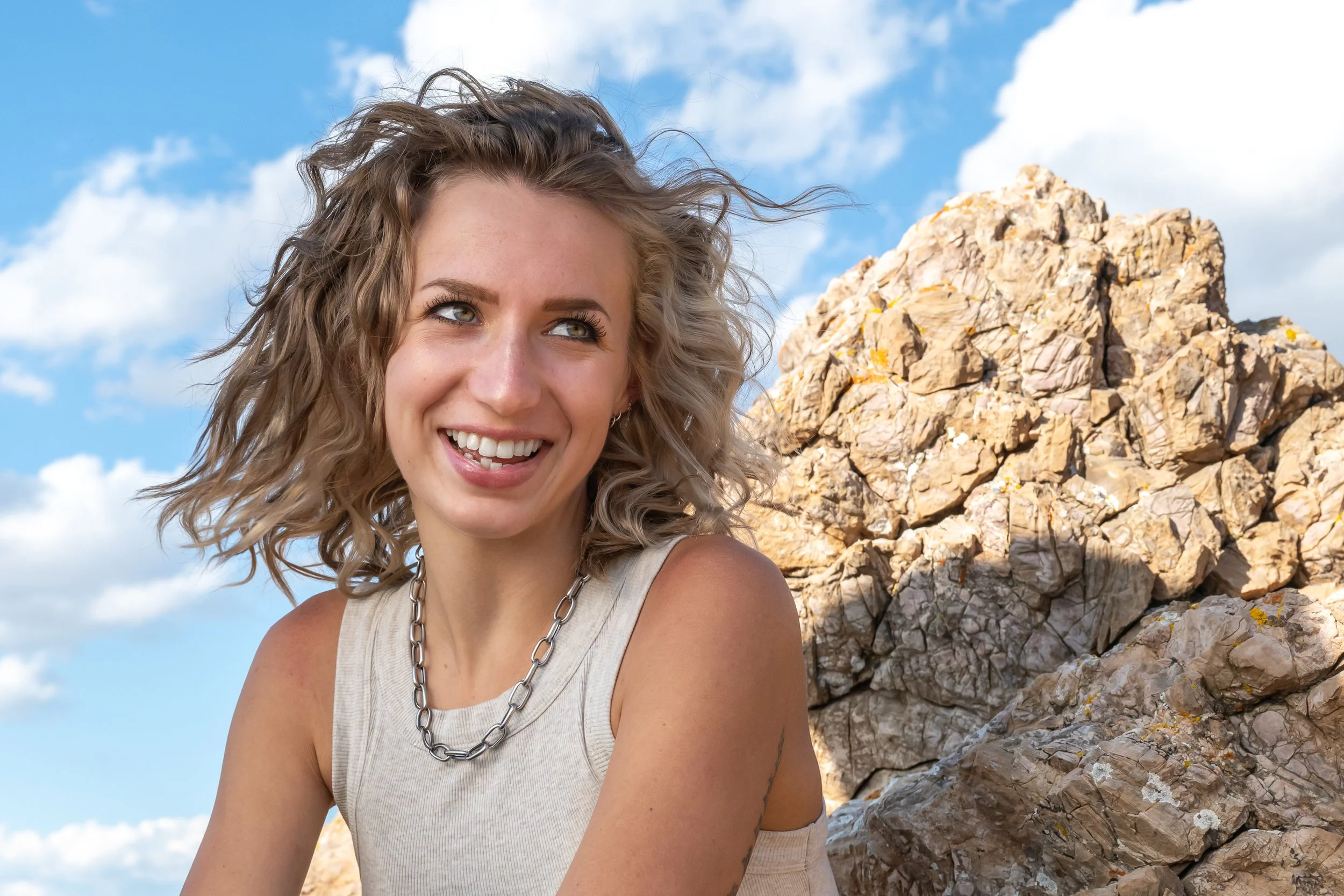
I learned a lot about Kameron over the last couple of years. She’s careful about sharing details and has zero tendency to brag, so when I asked her a few questions about her story, the answers were short and sweet. This is what she had to say…
Me: Have you always wanted to be a model?
Kameron: Modeling wasn’t always something I enjoyed. It can be a fun, yet challenging opportunity to appreciate how I am different from others. I’ve learned to embrace the fun parts.
Info from the sidelines: Kameron has worked on several shoots. She strives to be the kind of person who sees modeling opportunities as creative teamwork rather than a competition with fellow models.
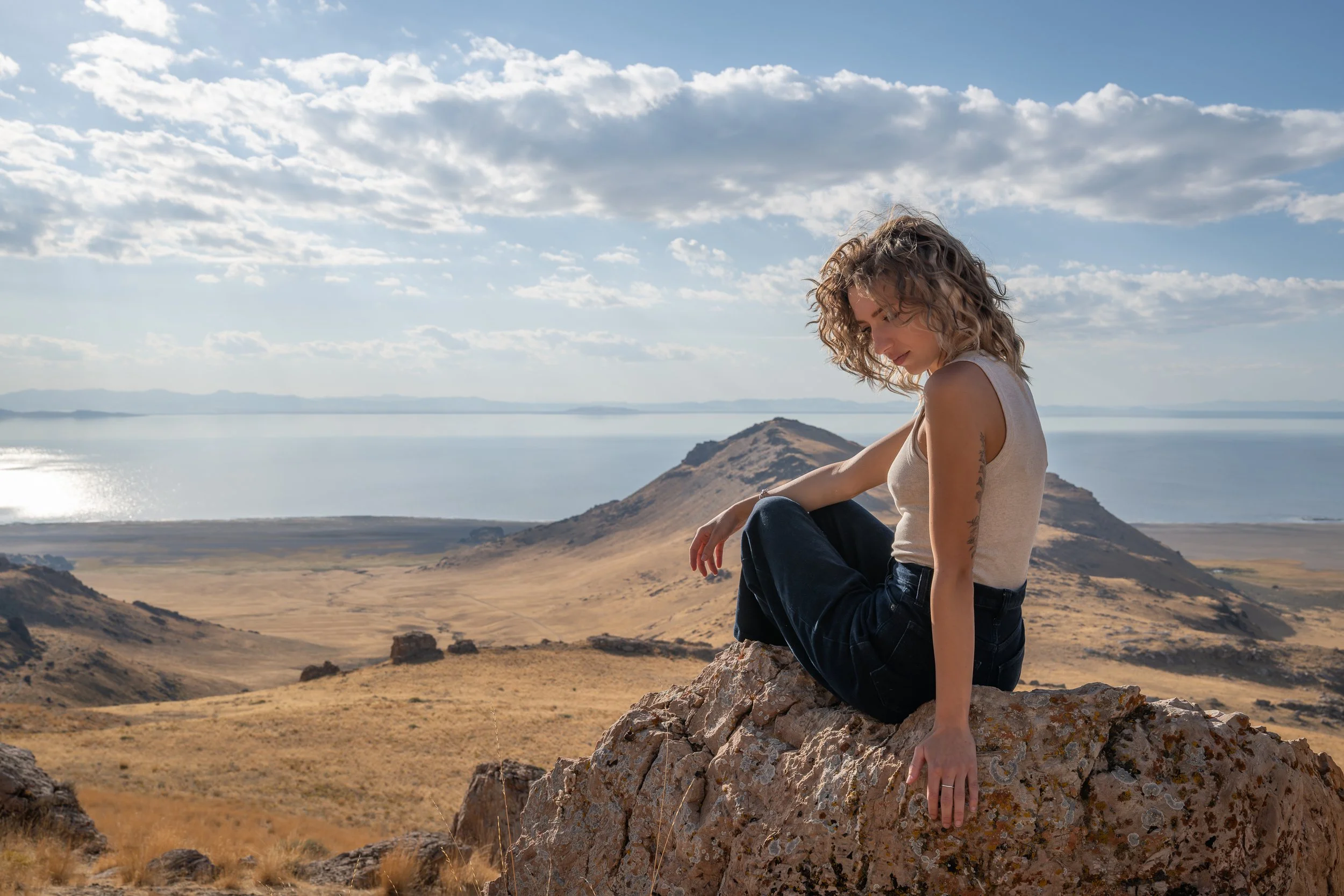
Model Kameron Rodriguez, Frary Peak, Antelope Island State Park
Me: What are some of the greatest challenges you have faced in life?
Kameron: …Not losing hope. I’m grateful for the challenges I’ve faced because they have taught me the most important thing in life is life itself.
Info from the sidelines: You know, people who learn lessons like this don’t come by it easily, and it’s remarkable that challenges can lead to incredible depths of understanding.
Me: What are some of your hopes and dreams for the future?
Kameron: My hopes and dreams are less about grand destinations and more about becoming—someone whose presence brings peace, whose words carry weight, and whose life reflects integrity.
Info from the sidelines: Russell M. Nelson, a centurion whose kind influence reached far across the globe, often spoke about peace. He taught that being a peacemaker is a choice that will bring about positive change in the world. Every time someone decides that bringing peace to others is a key ingredient in their own life, like it is for Kameron, is a time to celebrate.
Kameron: I hope to make a difference with a life filled with meaningful connections, moments that matter, and leave behind something that will outlast me.
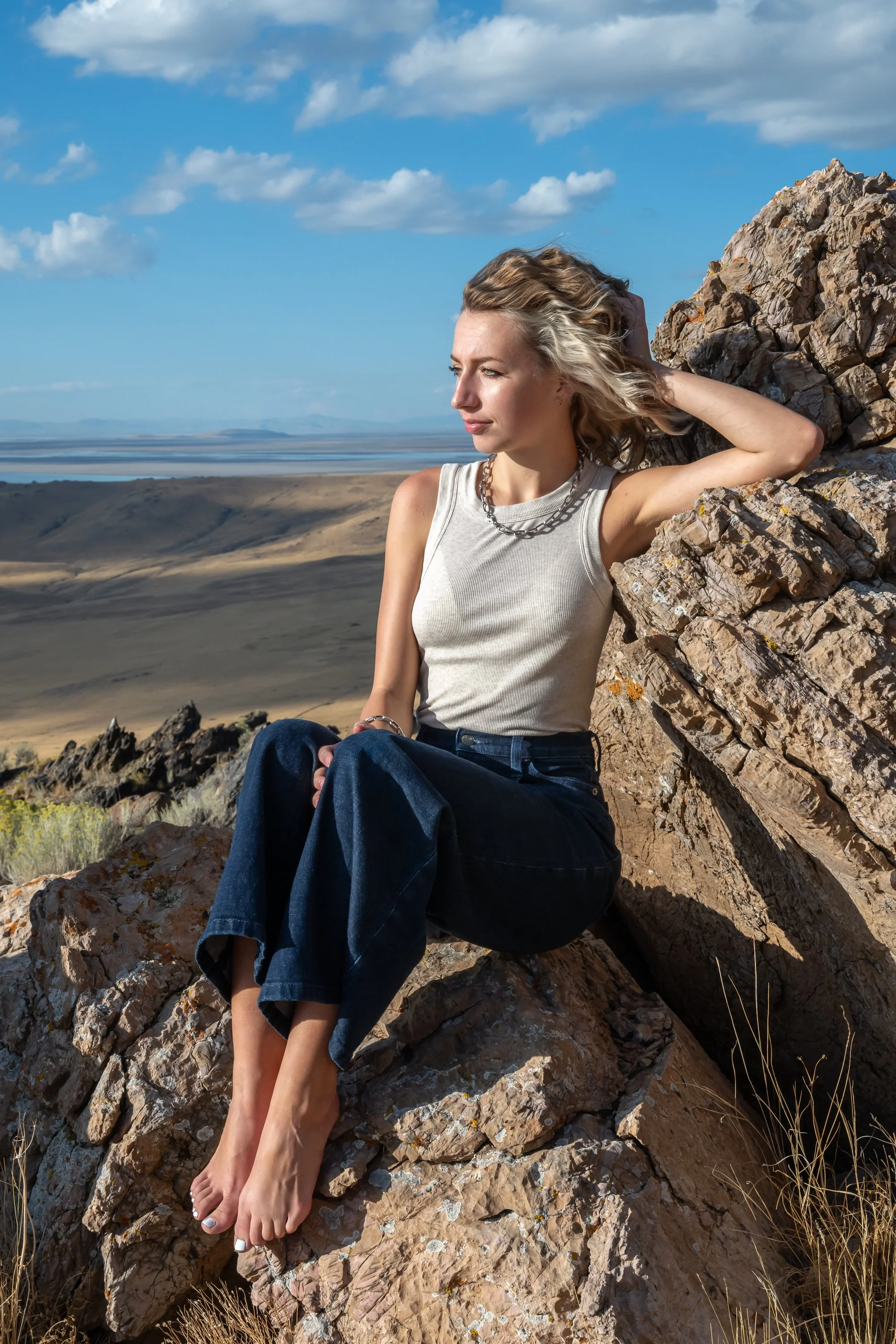
Model Kameron Rodriguez, Frary Peak, Antelope Island State Park
Kameron is just getting started. In the decades ahead I hope she finds a way to discover and tell more of her story. Our culture teaches us that talking about ourselves is unattractive, but I have come to find that sharing our stories is key to connection. It’s a way to gather the stamina needed to move forward. When we know, share and accept our own story, it allows us to be open to and compassionate toward the stories of others, which in turn gives others the strength to keep going.
Once we finished our photoshoot near Frary Peak on Antelope Island, we quickly made our way down the mountain and drove to the sand to grab a couple of pictures before the sun went down. Kameron told me she wanted to practice embracing the physical part of her that reflects her Native American ancestry—her side profile.
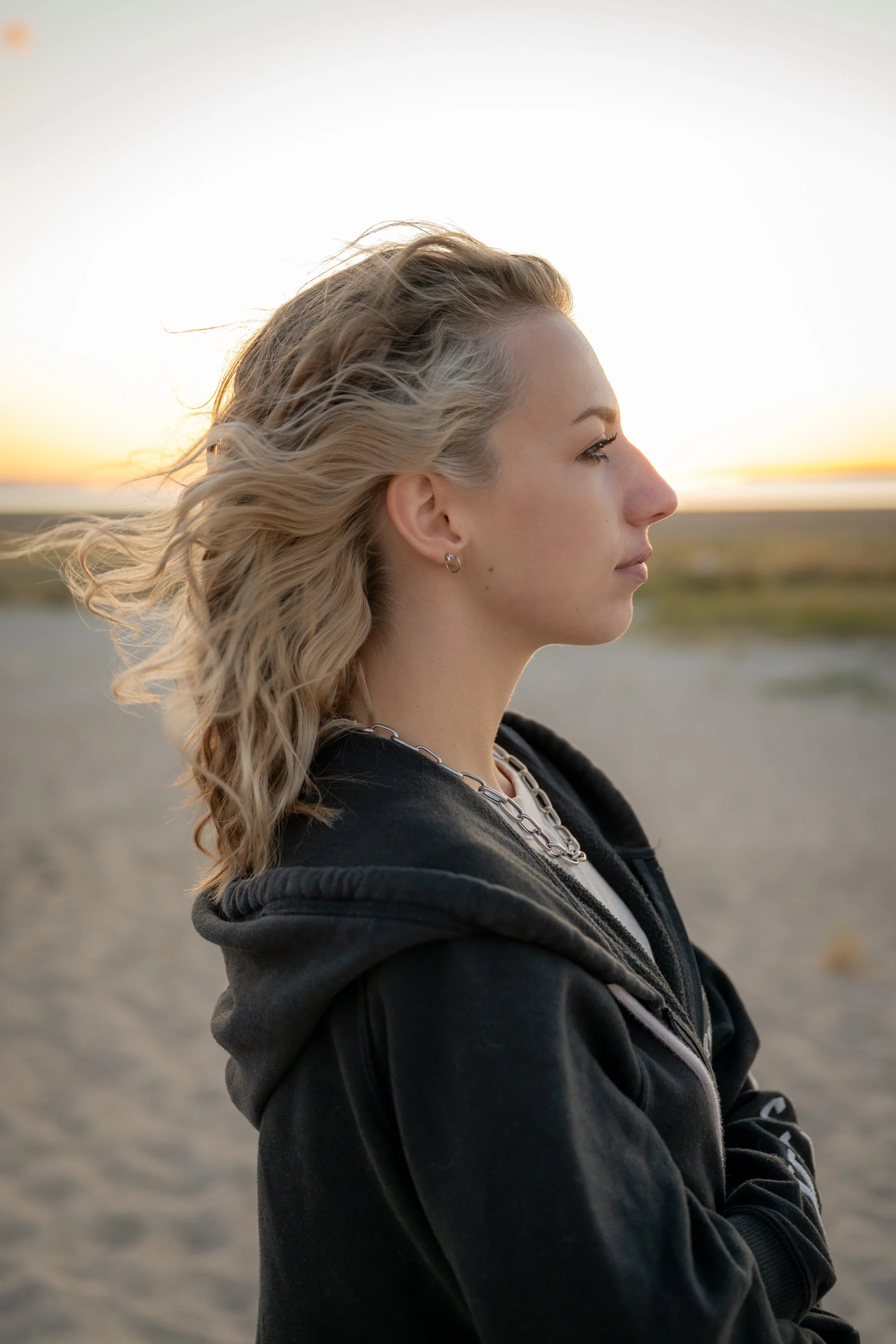
Model Kameron Rodriguez, sunset on the beach at Antelope Island State Park
Does Kameron’s story spark a desire in you to tell your own story? If you don’t know where to begin, try attending RootsTech, a huge annual conference on family history. Discover a tremendous amount of creative ways to tell your story in curated classes or in their enormous expo center. At the writing of this blog post, RootsTech three day passes are discounted for early bird pricing. I’m not sure how long that will last, so grab one while you can. Too far away to participate? You can attend online and enjoy access to hundreds of classes and presentations available on their website. But I’ll warn you, it’s addicting. How else do you think I got sucked into this? *wink* No regrets though! Click here.
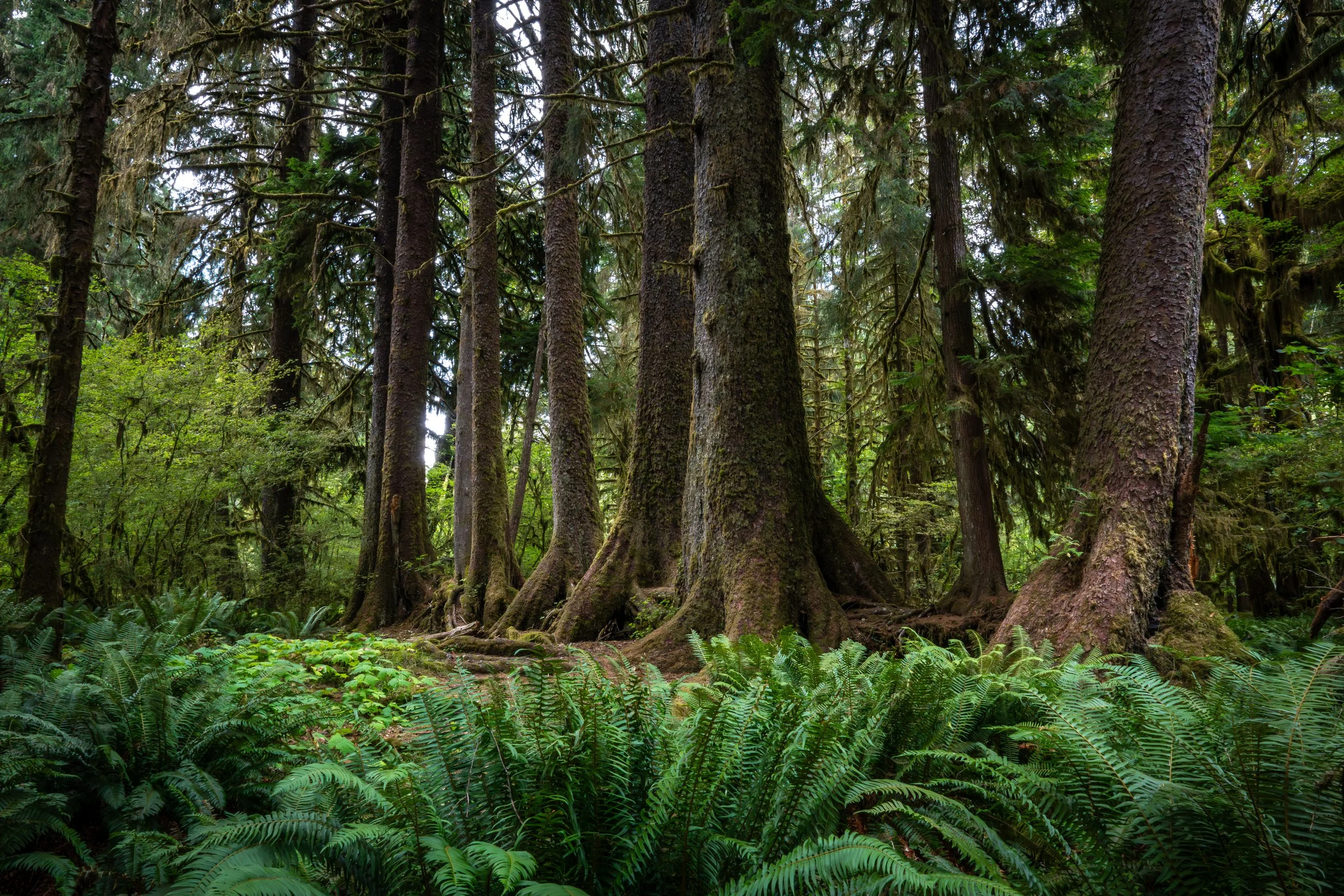
It’s All Relative
Have you noticed any one particular trait that runs in your family? Finding out might inspire you to foster your own talents, which is one of the most important parts of your story.
Have you noticed any one particular trait that runs in your family? Our children have exhibited artistic traits through the years and the first comment their aunts and uncles made was, “Just like Grandma!” because Grandma was a painter, and so was her father for that matter.
As a student, I majored in English and once came tremendously close to getting an agent to publish my children’s books. So when I found out that Emily Dickinson is my cousin, I was thrilled. I love books so much that I even went to a festival in Forks, Washington for fans of a certain book series written by Stephenie Meyer (if you know, you know). I cannot explain why I get so excited about actually seeing the places, eating the food, and meeting the actors from that story, but there it is. Getting older kinda stinks and it was nice to feel like a kid again, getting together with other fans to celebrate such a creative, unique story.
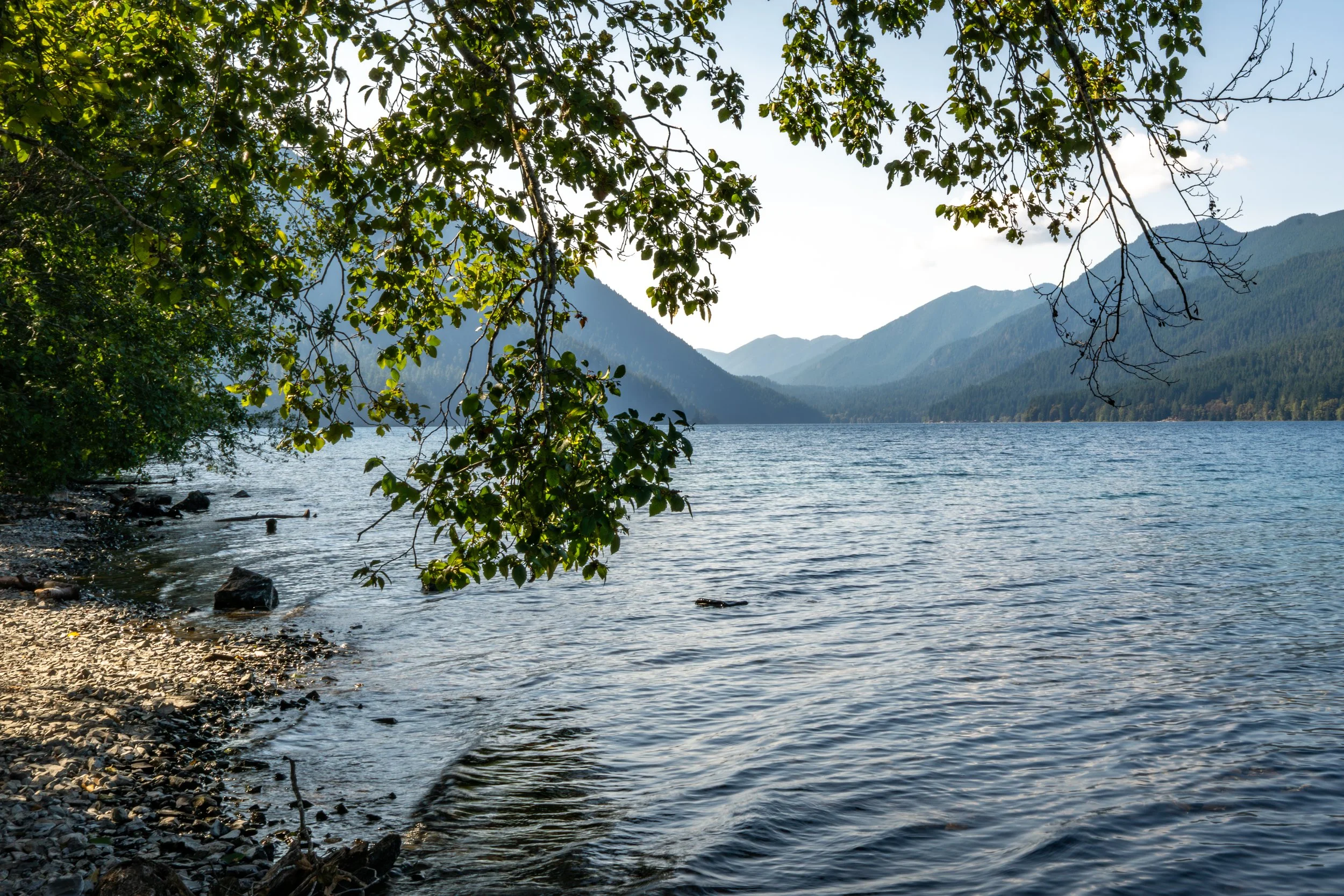
Lake Crescent, on the way to Forks, Washington
There is a fun game on FamilySearch that shows who your famous relatives are—people who were artists, explorers, athletes, authors, leaders, actors, musicians, etc. I haven’t found any famous photographers on there, but any kind of creativity seems to run in our genes. Some of my ancestors were even creative in questionable ways. Jesse James was seen as a type of Robin Hood in the south for his “creative” ways of acquiring income. I’m glad I don’t take after him though.
If you could imagine your own famous relatives, who do you think they would be? Would you be excited if a president of the United States was your cousin? What if you discovered you were related to Shirley Temple or Vincent van Gogh? Finding out might inspire you to foster your own talents and interests, which is one of the most important parts of your story.
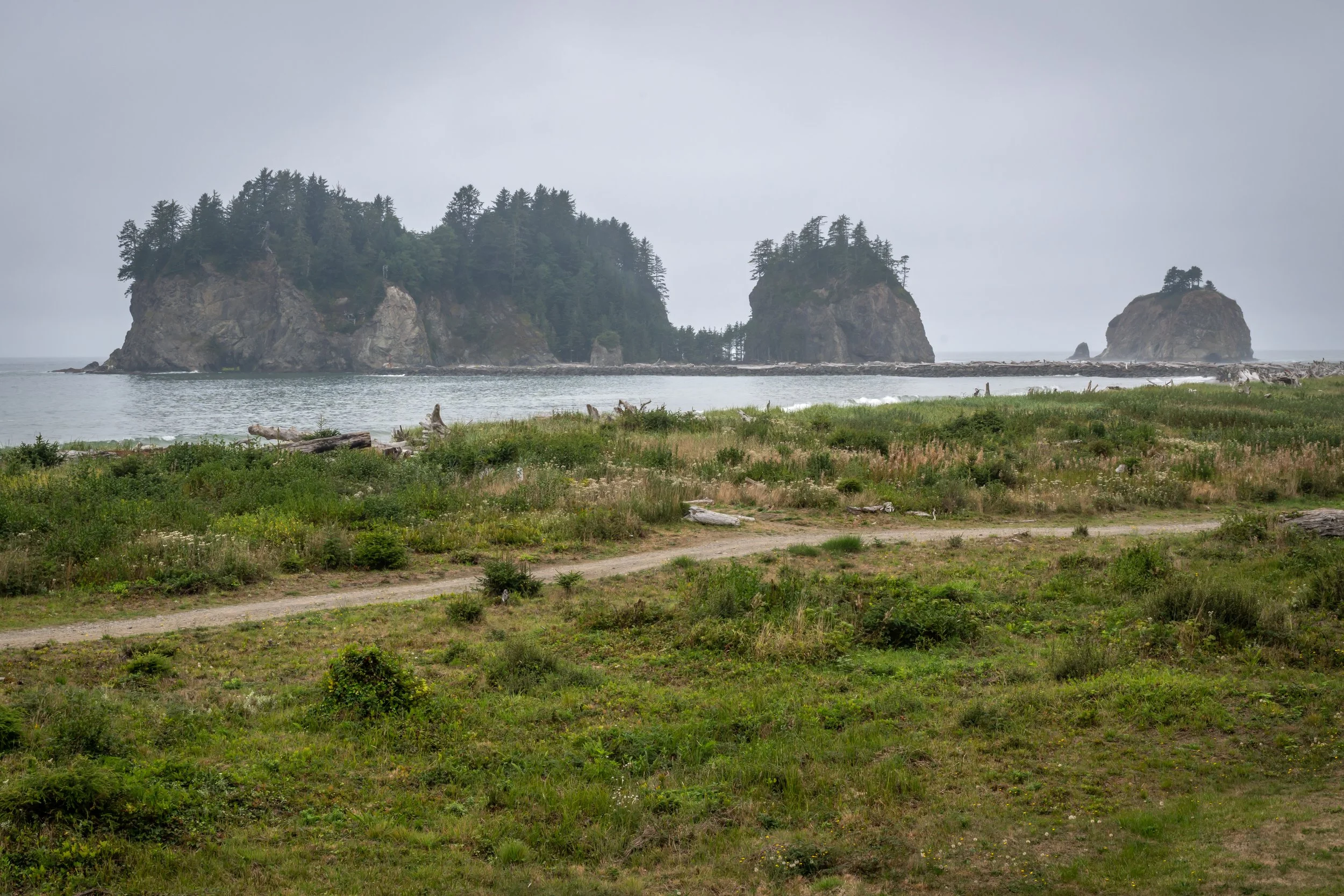
La Push Beach on the Quileute Reservation
Visit FamilySearch to create your free family tree. It tends to self populate once you enter a couple of generations—you’d be surprised at how many people you’re related to who are already working on your same family tree. Unlike other family history services, this one is a huge community tree. Don’t be surprised if someone adds a picture or story to “your” tree. It’s a wonderful thing to learn new information about a great-great-grandparent because a total stranger is also related to them. Concerned about privacy? They’ve got you covered. Details of living family members, including yourself, are only visible to you. Plus, you can use an unidentifiable public user name so your actual name will not be shown. You can even create a tree for your adoptive family if you don’t know your own blood relatives.
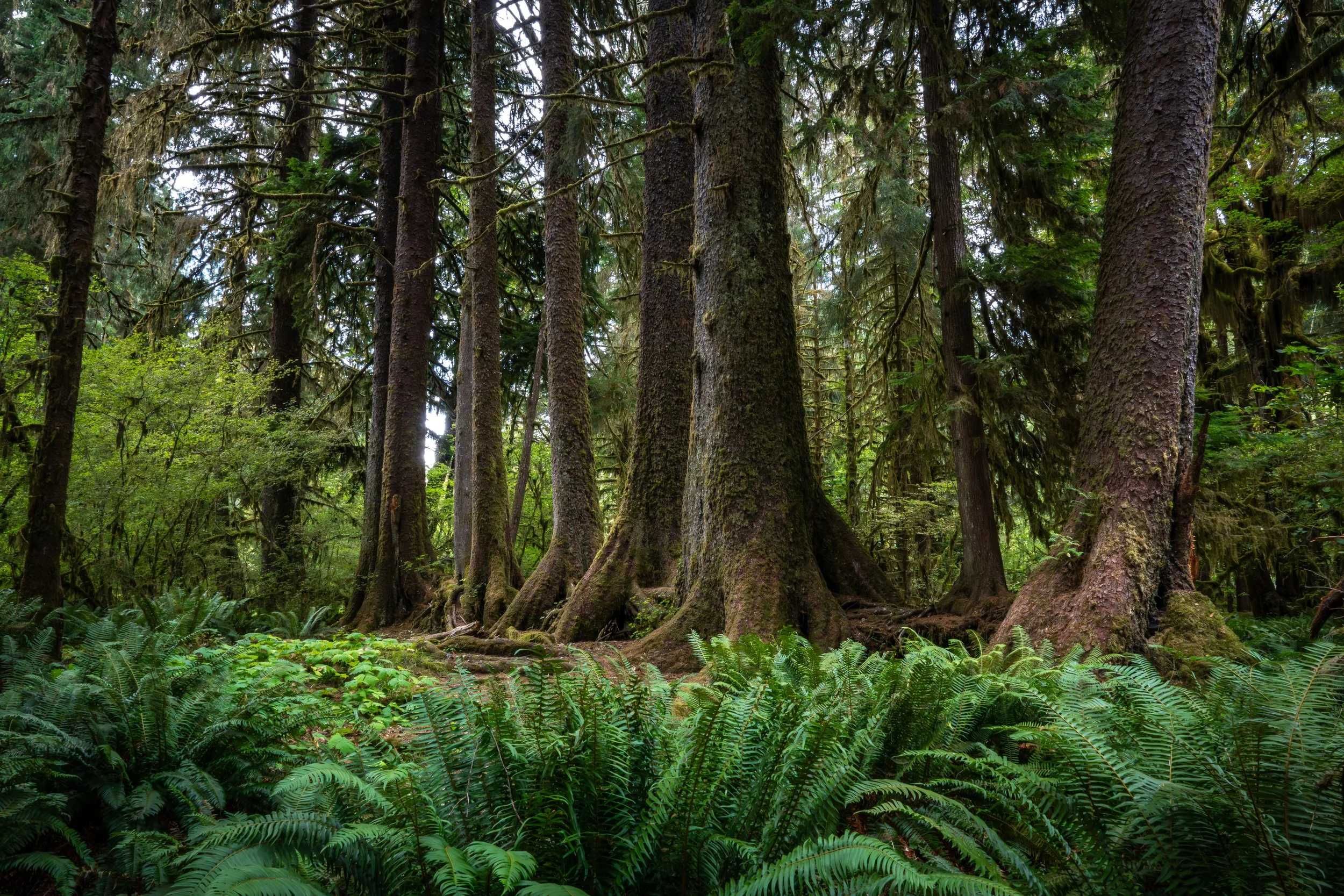
“Hold on tight, spider monkey!” (Twilight, 2005)
So, are you going to do it? Find out if your skills run in your family for generations? I hope you do, and I hope it ignites a sense of newness and discovery in you.
And if you do, you’d also like to know about RootsTech, a free online event to help you learn more about telling not only your story, but that of your family. Save the date: March 5-7, 2026. Registration begins September 24th. And if you’re feeling extra excited about it all, you can purchase a ticket for the three day, incredible in person event. Early bird pricing will be available at the link below.
Member, RootsTech Media Team, 2026
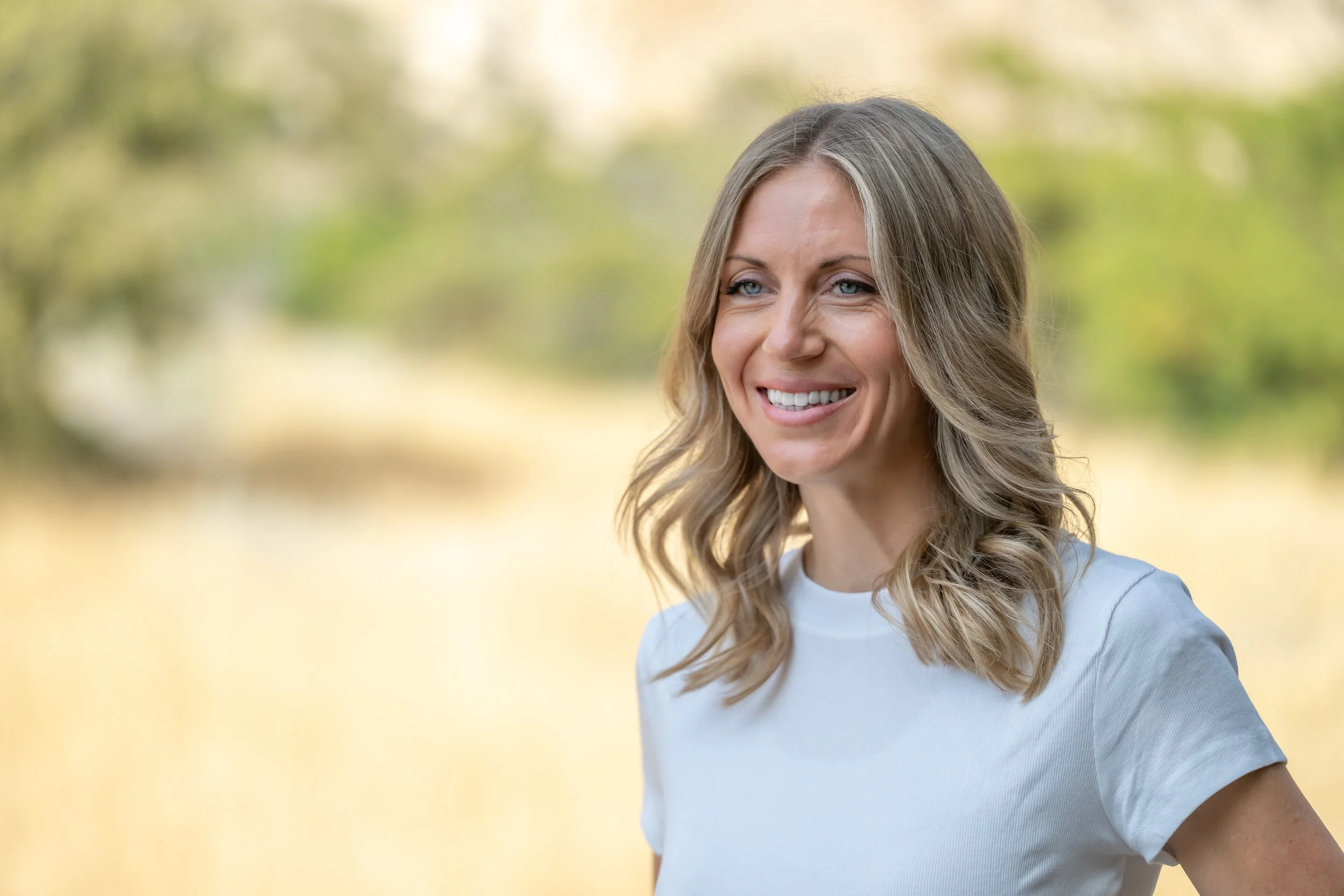
A Thread That Connects
How art helps us connect. A plein-air photoshoot with professional artist, Jeanette Lee Adams
If you think of a piece of art that you love, I bet you can also recall a way in which it connects you to someone. I dabble in art every now and again, and I painted three little bird watercolors which are hanging on my wall. I painted them when we lived in Maine and they remind me of our cabin, and the canoe rides we took together on the Cobbossee in West Gardiner. Those little birds connect my mind to the moments I spent with loved ones on that river.
My niece Jeanette is a gentle soul who expresses what is important to her through her art. I’ve watched her journey into the professional art world with wonder and awe. The photos below are from our plain air painting photoshoot in Rock Canyon. Let me share with you what she said about her life as an artist.
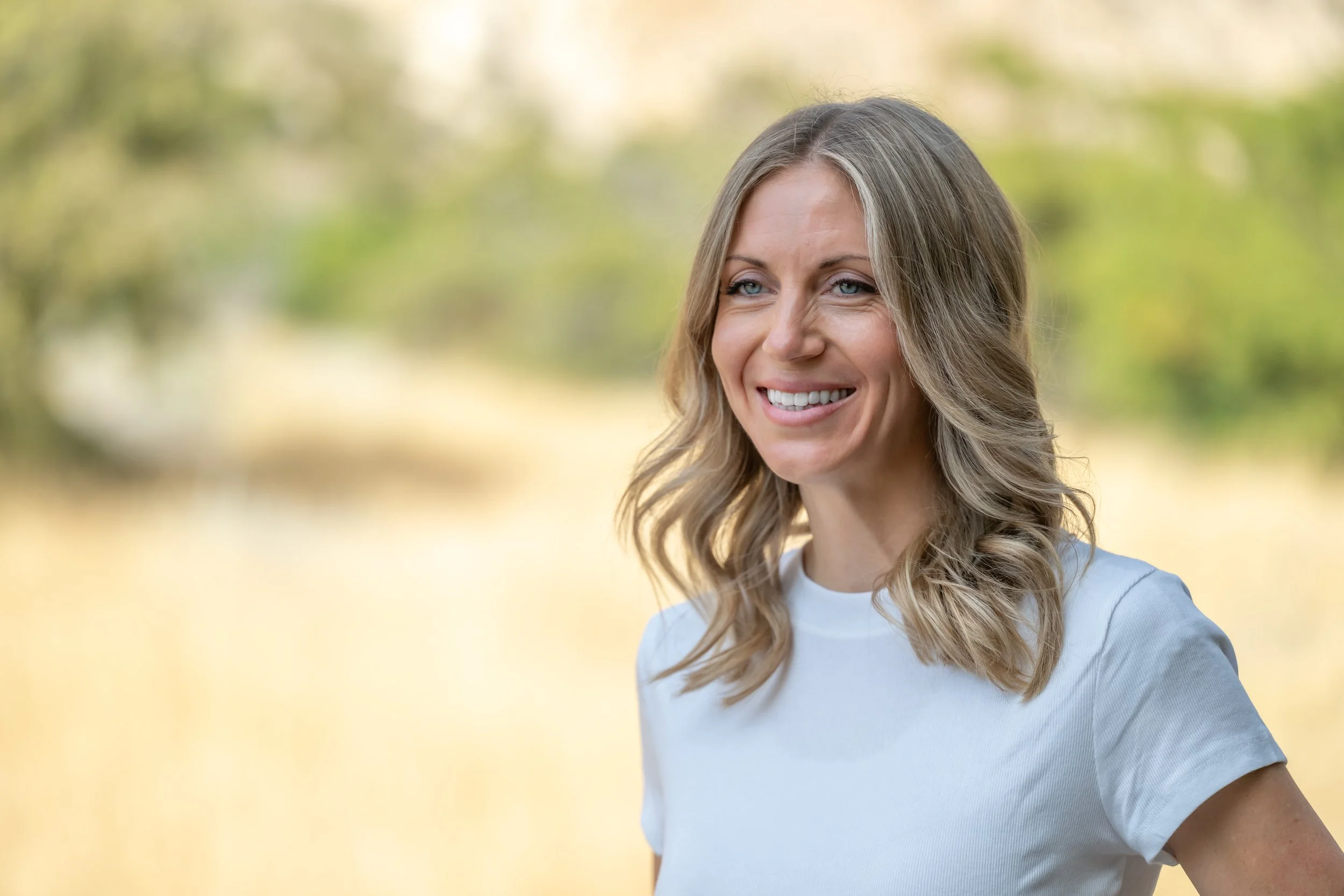
Artist, Jeanette Lee Adams
Me: What is it about yourself that inspires you to be creative?
Jeanette: I am inspired to be creative when I see and truly appreciate the beauty of this world. Because God is a creator, I also want to create beauty and help others to see and appreciate it. My faith and relationship with God is a motivator for creativity because it helps me to see something deeper and more spiritual in an object, experience, or person and want to explore, express, and share ideas and impressions through a visual language…I want to use painting as a medium for asking big questions and facing honestly the parts of myself that are deeply human—hurting, weak, scared, and flawed—as I seek to reach out and touch the Divine in a search for truth and wholeness.
Me: Can you give me some background into your painting career?
Jeanette: I did study art in college, but I set it aside for about 12 years...Once [my children] were all in school I decided to obtain [more] training because I wanted to be prepared to do high level work and to depict the human figure…When my children were teenagers I obtained classical art training at Beaux Arts Academy, which was an amazing and inspiring experience. In 2020 I went through a divorce after nearly 20 years of marriage. At this time I began painting professionally and selling my work. I also realized I could use even more education…I moved to NYC for graduate studies at New York Academy of Art where I received my MFA in painting.
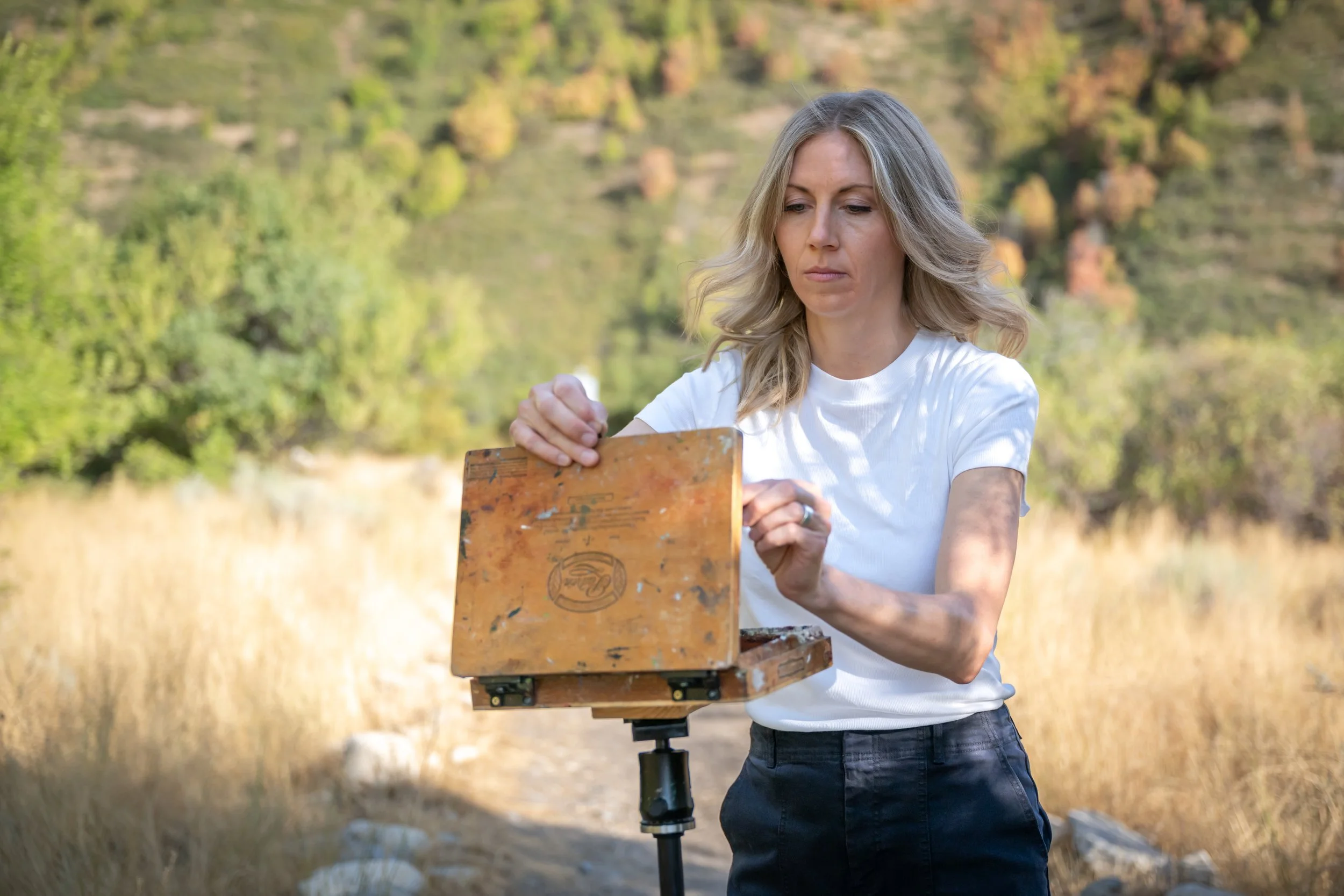
The Artist
This year Jeanette came home to Utah with her new husband John. They’re settling into their home in Utah Valley and she’s excited to be a part of the local art community and paint full-time.

The Supplies
Me: What is a life lesson that has resonated with you?
Jeanette: I went through a period of my life which lasted many years when I felt discouraged. I was a busy young mother, and although I loved being able to raise my children as a stay at home mom, I often struggled internally in personal ways and yearned for a greater level of happiness and fulfillment...I developed a couple of practices that helped me to change myself internally. The first was that I began keeping a daily gratitude journal…It helped me to develop a deep trust that no matter how low I felt, God would show up for me that day…Secondly, as I read from scripture each morning, I began noticing and being impressed by the outcomes of individuals who practiced and exercised their faith. I learned how an internal belief and expectation could inspire action that led to miracles and tangible results. I felt inspired to grow in my faith…Over a period of time, not only did I feel different inside, it changed my external world in a positive way. I learned that changing our lives begins with changing our [own] thoughts and heart.
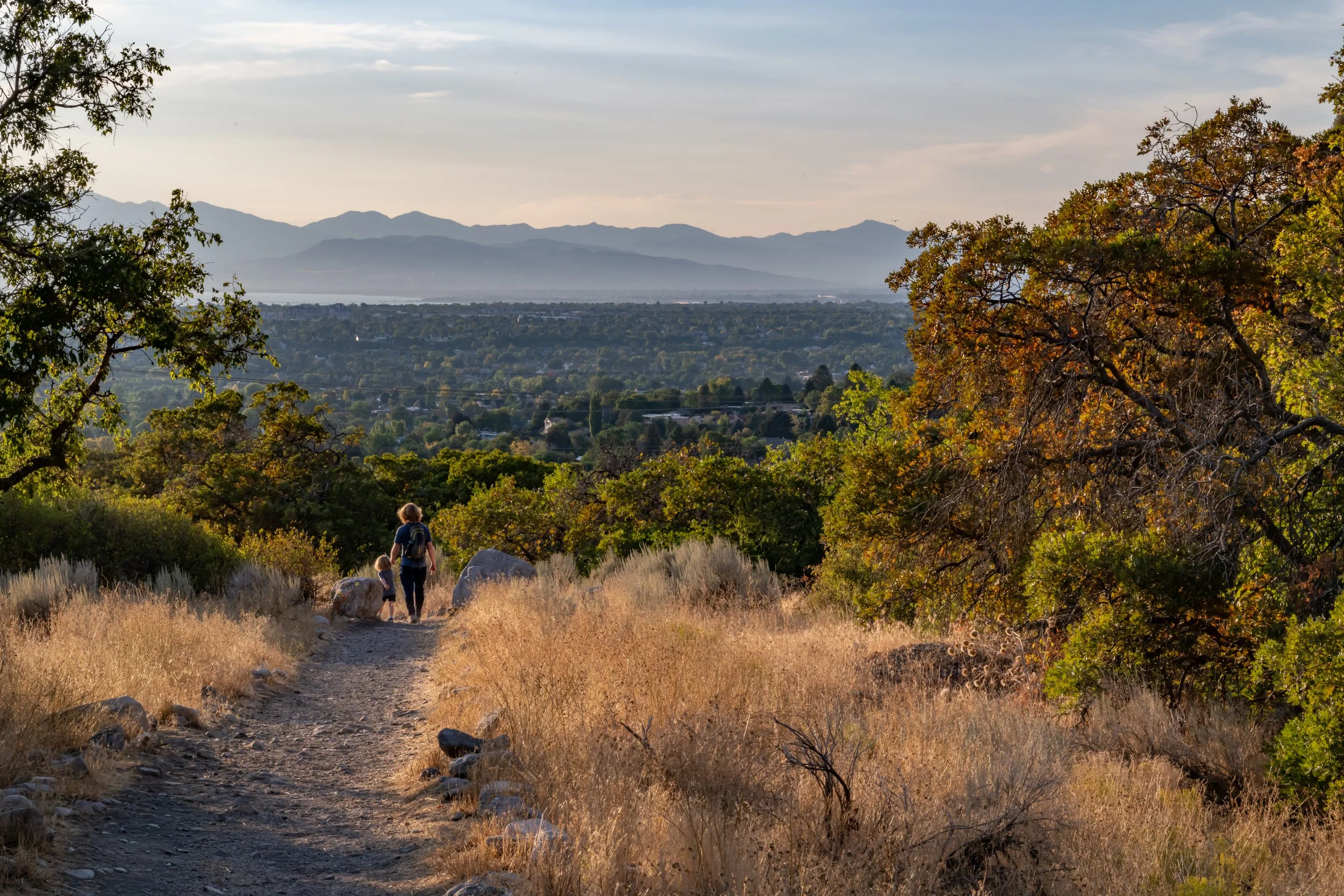
The Subject
The scene above is the one Jeanette is working on below. I marveled at her process of mapping it out—a rough sketch via her brush. The picture quickly began to take shape and with Jeanette’s permission, I will certainly post the final piece once it’s done.
Me: What are your hopes and dreams for the future?
Jeanette: I have many hopes and dreams for the future. My artistic goals are interwoven into my goals around my family life and the joy and fulfillment I have around parenting. The type of home my husband and I are working to create, [as well as] being a part of our children’s lives… are all important parts of my hopes for the future.
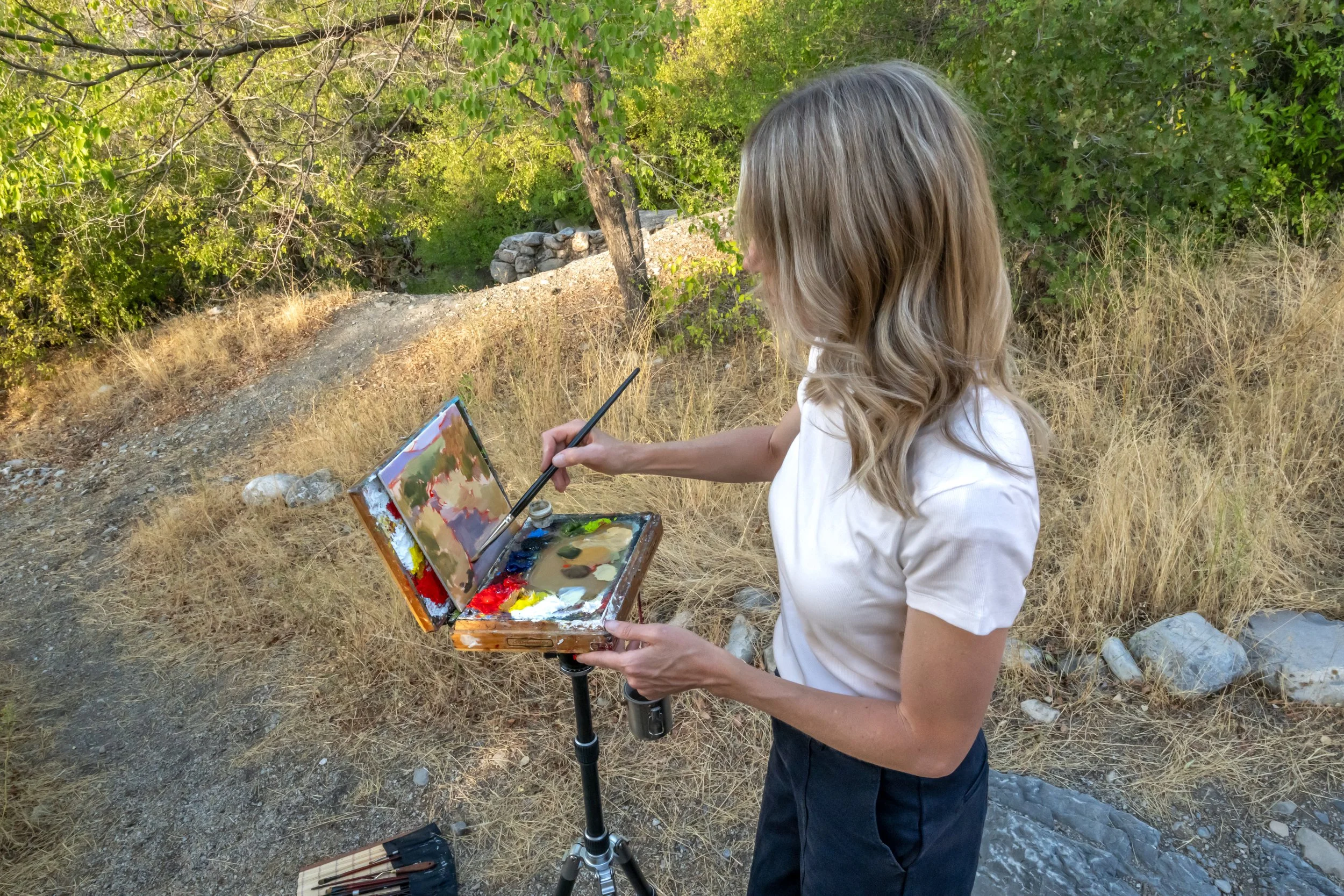
The Process
Jeanette: In terms of my art business, I want to create a sustainable practice that will not only bring joy and meaning to my life, but also impact others for good…I imagine having opportunities to travel internationally for exhibition and teaching opportunities, and I believe that these will provide enrichment and excitement in our lives. It is important to me to live a healthy lifestyle that will enable me to continue painting and learning into old age. I look forward to many years of growth and productivity ahead.
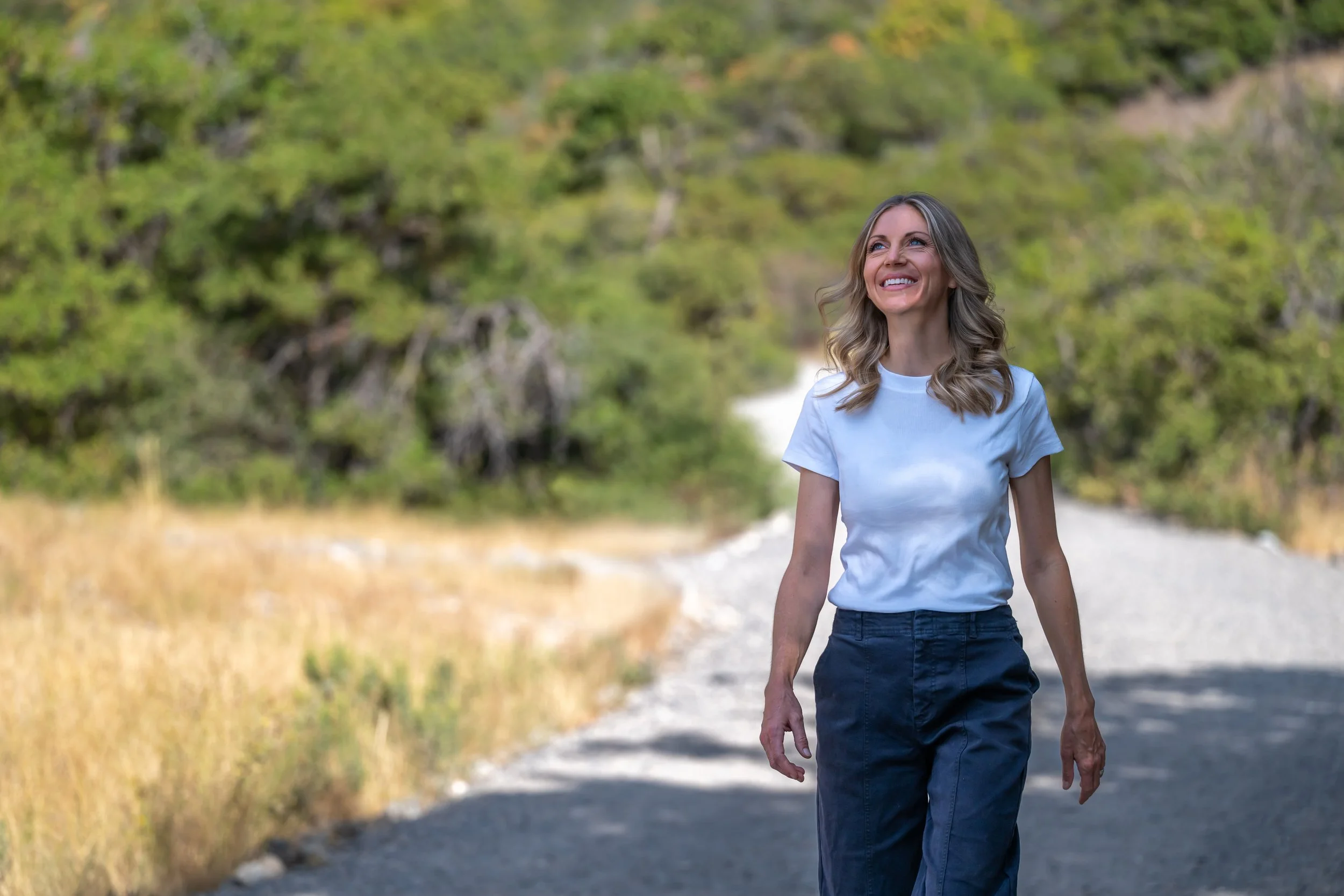
Artist, Jeanette Lee Adams
When I asked Jeanette if she has a favorite piece, she gave me permission to share this moving painting:
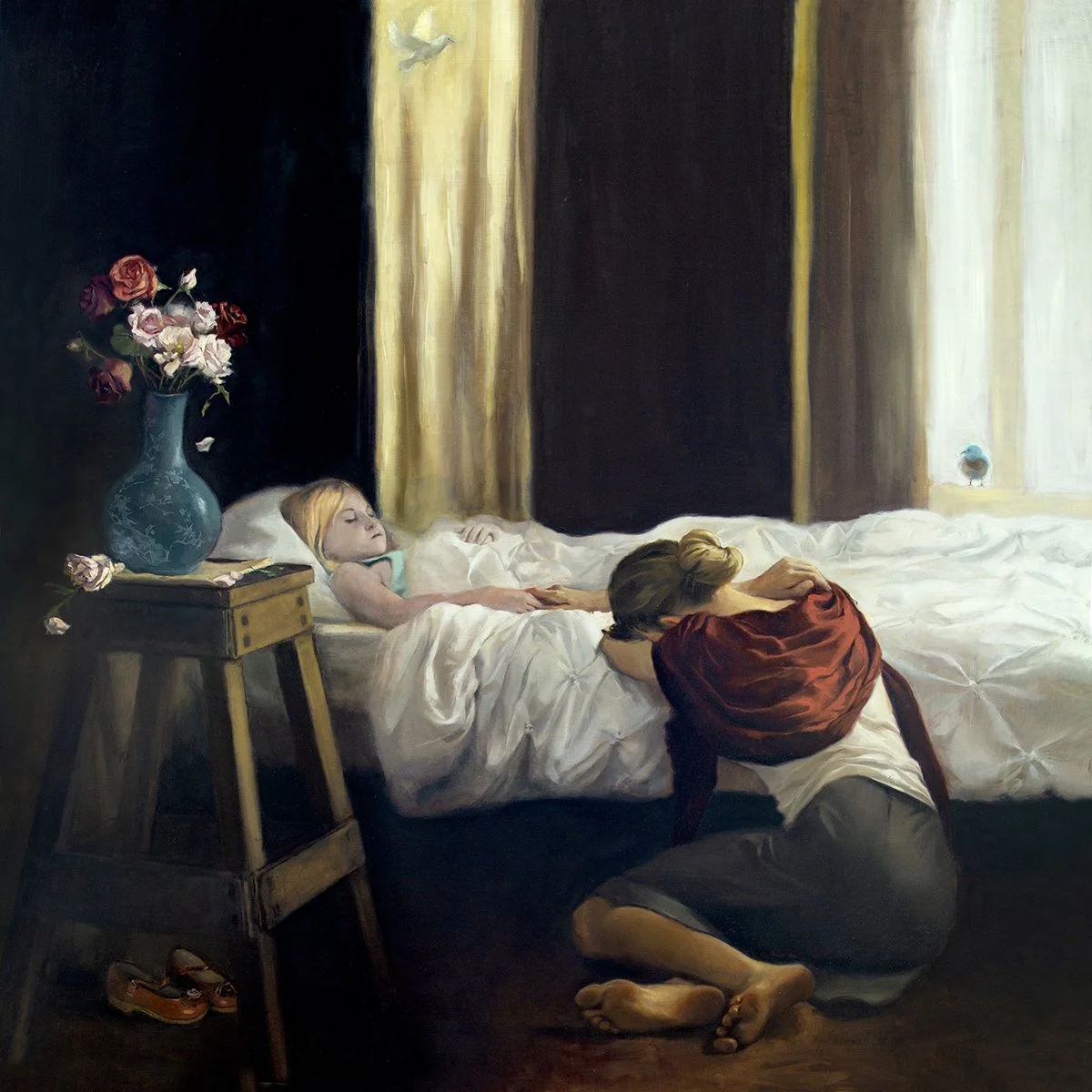
“Grief” 40×40 oil on board, 2022
I have never lost a child as depicted here, but I can feel the grief of the scene—that familiar pain of deep loss and sorrow that we all face at some point, a connection we have with each other.
Thanks for being a part of my story Jeanette. And thanks to all my readers who connected with us in a beautiful way today. You are what makes the world good and kind and safe.
How I Met Lucy
To create is to give hope form.
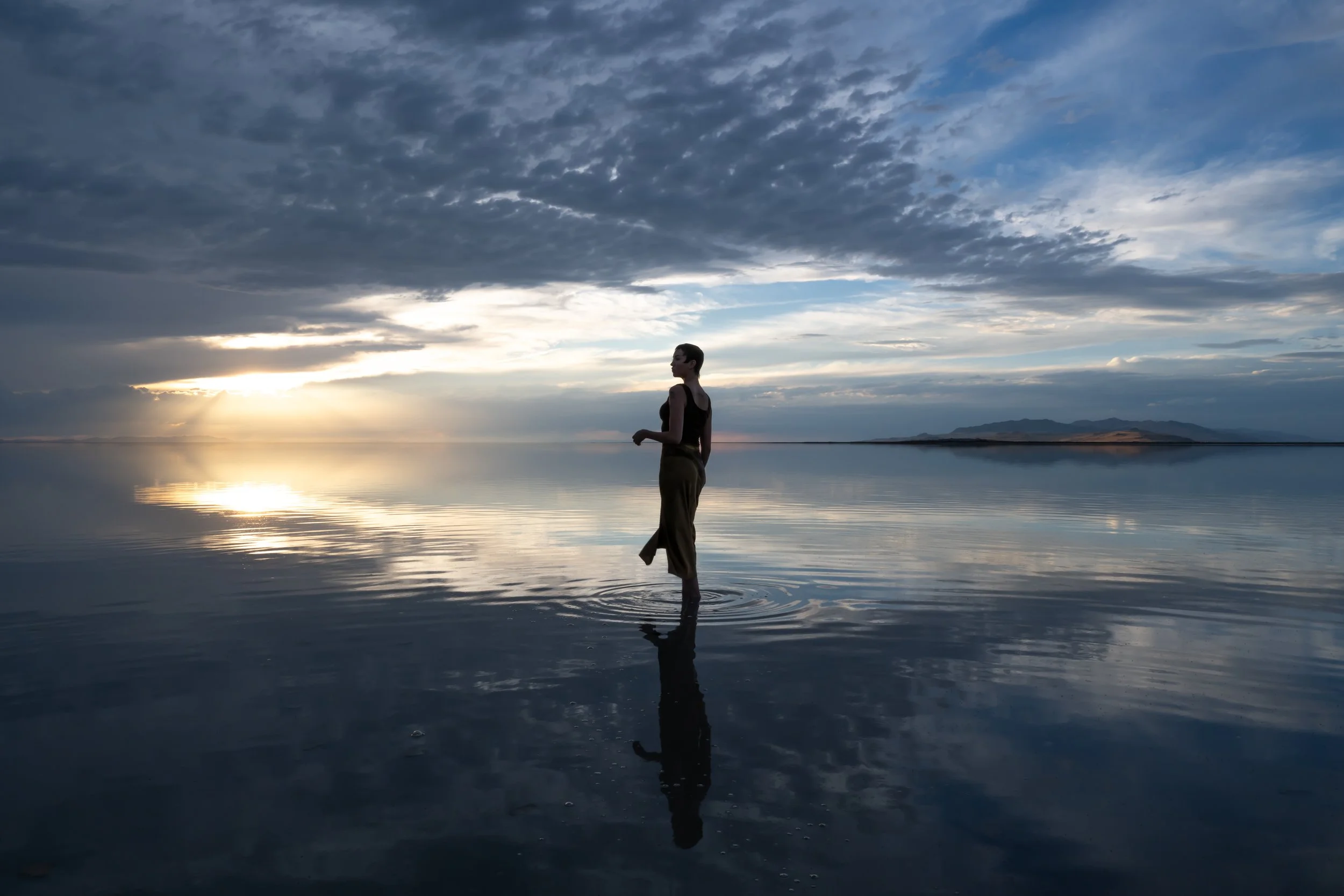
Talking to strangers is fun, unlike I was taught when I was five (forgive me Mom, teehee). I’ve discovered that if I act like they’re already my friend, they usually end up that way. Such is the case with Lucy, who I found to be wonderfully kind, gentle, enthusiastic, grateful, and talented.

You know, sometimes the world feels scary to us all and we shut people out to stay safe—I still do that occasionally. And let me clarify, there are definitely instances in which we do need to take precautions. But when I saw Lucy and her friends having fun at the Utah State Capitol, I had a good feeling I could approach these total strangers and ask to take their picture. They might say no, but I could respect that. As a die hard introvert, I had to dig deep for the courage to do it.
Fast forward to an hour later and 300+ raw photos—but more than that, I noticed something unusual about Lucy. She was crazy comfortable in front of the camera. Posing? Not a problem!

“Wow, you’re a natural,” I said. “Yeah, I’m a model,” she replied with genuine modesty. Seriously? I couldn’t believe it! As a fairly new professional photographer, meeting a model was a Godsend, a real blessing. We exchanged info and did this creative photoshoot at Antelope Island, one of my favorite photoshoot spots.
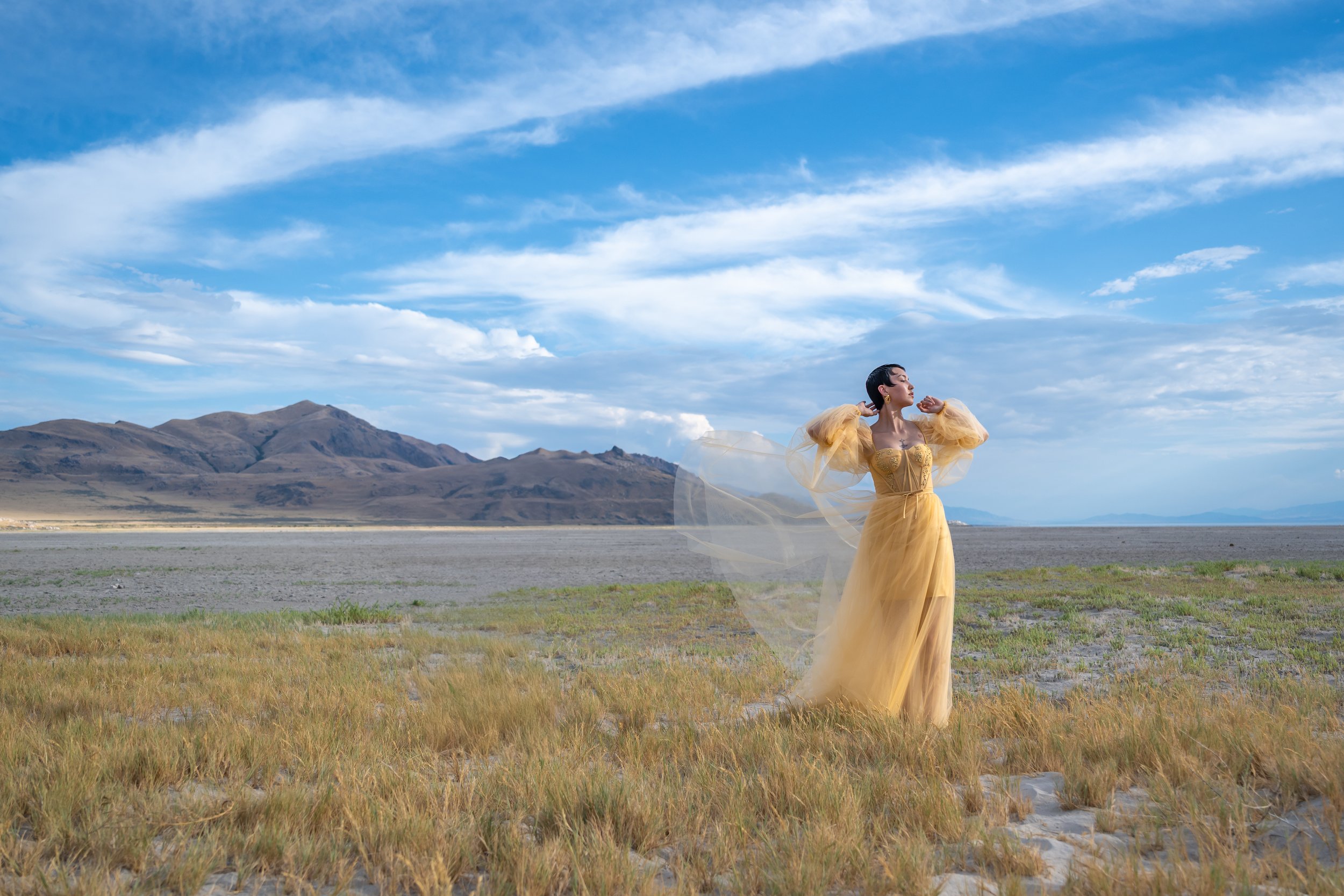
I asked Lucy if she’d mind telling me a snippet of her story to share here. Her honesty and openness inspired me. So friends, here is a small chapter in the life of Lucy:
Me: What is a challenge that you feel good about overcoming?
Lucy: It’s probably any challenge, honestly. Any challenge that I come across I always take as a learning experience, and I’m always ready to learn and accept things for what they are, and to adapt.
Me: Can you tell me what you love most about modeling?
Lucy: The expression. I think that expressing yourself is very important. You know we humans have a lot of feelings, and expressing yourself is always important—whether it’s painting, drawing, photoshoots, you know? I think modeling is a great way to express yourself and your feelings.
Background info: Lucy is participating in “Next In Modeling”, a local social media version of America’s Next Top Model. She mentioned in her introduction video that she has known who she is from a very young age. I asked her if she might elaborate on that.
Lucy: You know, growing up religious, growing up mixed, it was very apparent that I was different from a lot of the Utah normal. So I had to be my own friend. I was bullied. I was ostracized. I was excluded from a lot of things because of the color of my skin. So, I think when I was young I really understood that I had to be confident and I had to be strong and I had to be myself…
Me: What are some of your hopes and dreams?
Lucy: I’ve done music my whole life, and so I recently have been able to release my first album…in September. One of my dreams is to become a full time artist…That’s my dream…I want to be creative, I always want to be creating all the time. That’s one of my hopes is that I will always create no matter what!
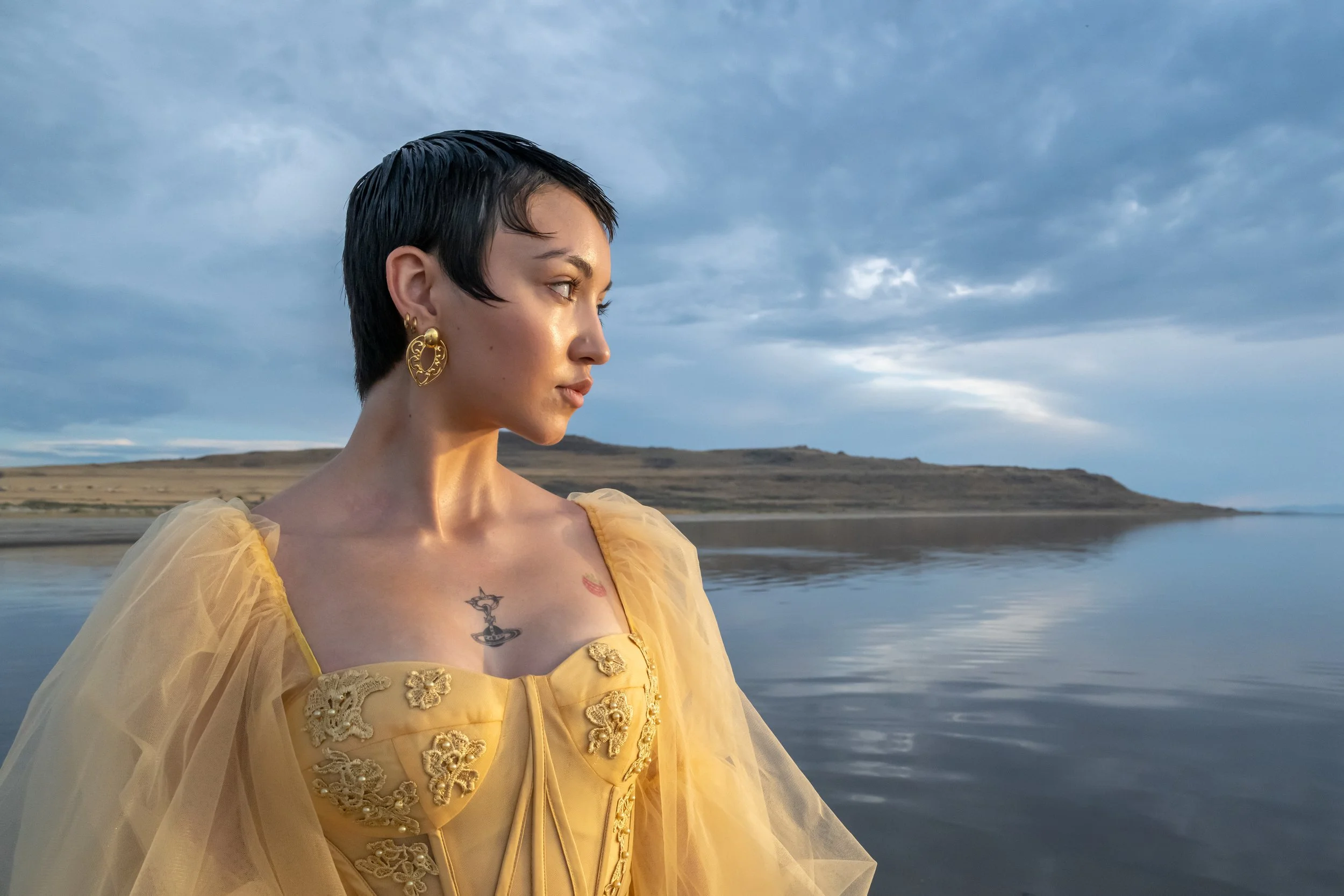
Being a creator is an admirable trait. To create is to give hope form. Thanks for being a part of my story, Lucy. I wish you all the best in yours and hope that you will keep on creating beautiful things to share with us all.
Six things we discovered together at Antelope Island:
The mosquitos are as abundant as flowers in spring, minus the color. If I had a dollar for every bug that I edited out of the final pictures…
Those tiny brine shrimp are kinda cute and pink, and the animal lover in me was sad when so many of them stuck to the dress.
The Great Salt Lake stinks a little, or a lot, depending on where you’re standing.
That high salt content is intense on the skin!
Killer sunsets are a given.
Together, we can make meaningful art.
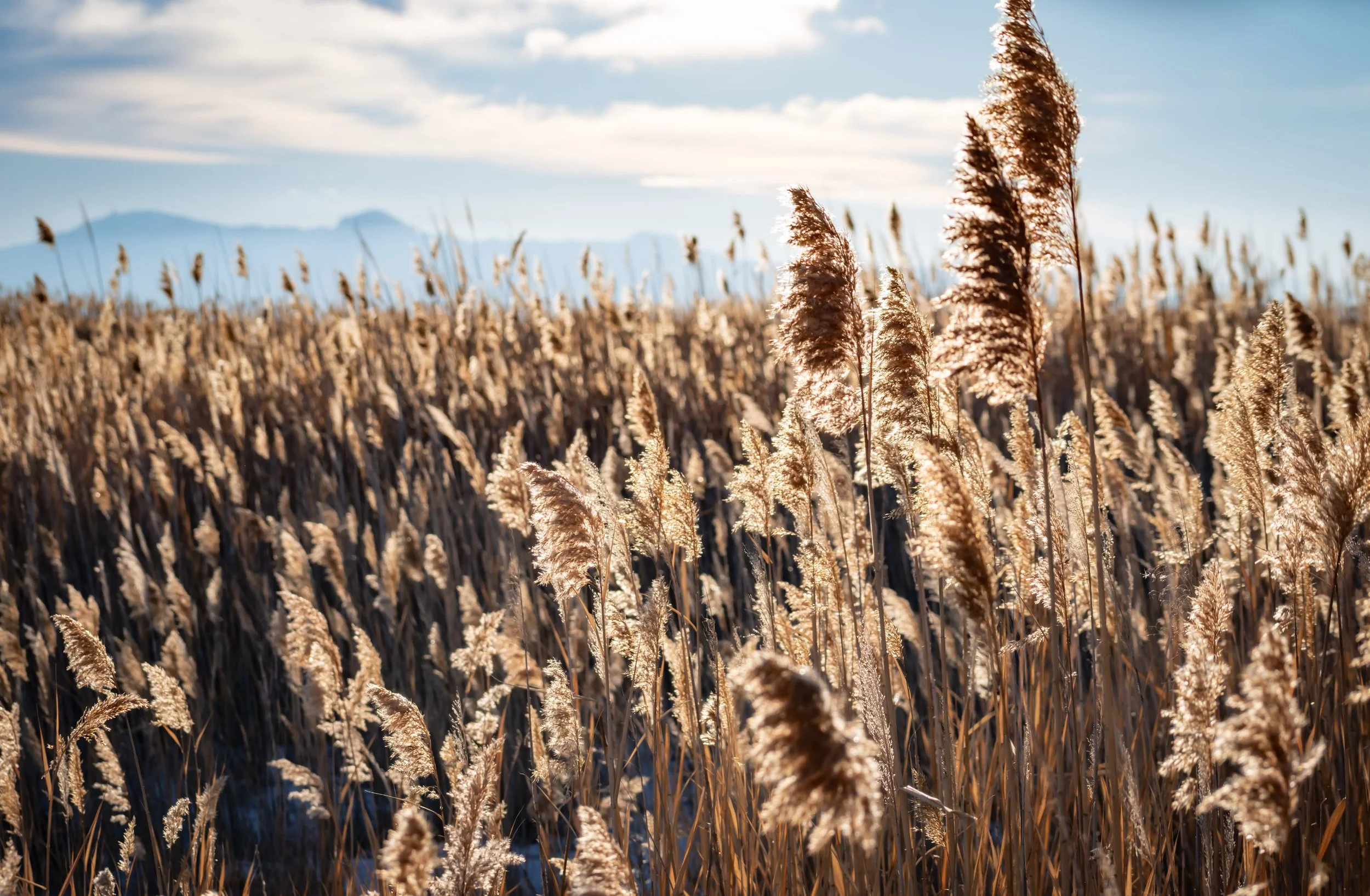
Taking Nature Back
There was a big chapter of my life where I mostly avoided going to the mountains…Do you avoid parts of your story too?
There was a big chapter of my life where I mostly avoided the mountains. I have PTSD and still struggle with triggers. But a few years ago, I decided to pick up a “real” camera. Then, for reasons still unknown to me, I also got a backpack and some camping gear. My theme: Take Nature Back. I view nature as a gift from God and it wasn’t okay with me that someone had taken it away.
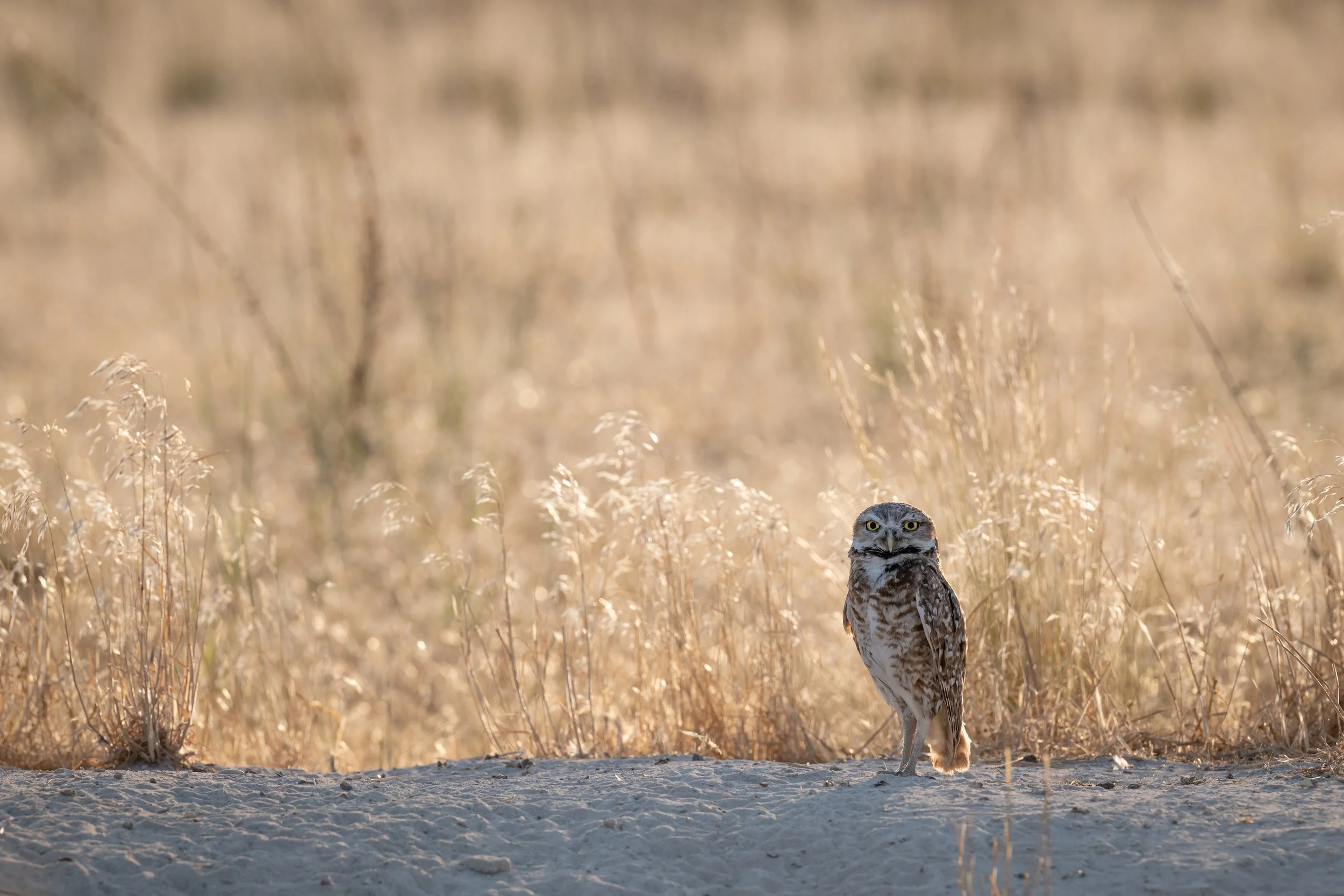
Burrowing owl, Antelope Island
My camera was my security item. My sweetheart was my cheerleader. But success was not part of the picture for years. There were so many sleepless nights, several panic attacks, ugly flashbacks, deep bouts of depression, and many moments where I questioned my sanity and ability to continue. I still avoid spending the night in the mountains, but my story continues to inch forward and I’ve met some very kind, understanding people on the way.
I recently thought I’d try an overnighter again, and wondered if having a guide might help. We reached out to Mike (name changed), a local hiking guide and set the date. I even pushed through my panic and signed the waivers. But as the event approached I realized I needed to listen to that part of me that was not ready—to be kind to me. I felt embarrassed, but I briefly explained to Mike why I was cancelling. His reply was unexpectedly compassionate. He said, “…if one day the mountains ever call you again, I hope they feel like yours, not his (my abusers).” I have no words to describe how that phrase impacted me. If you are reading this, “Mike”, thanks again.


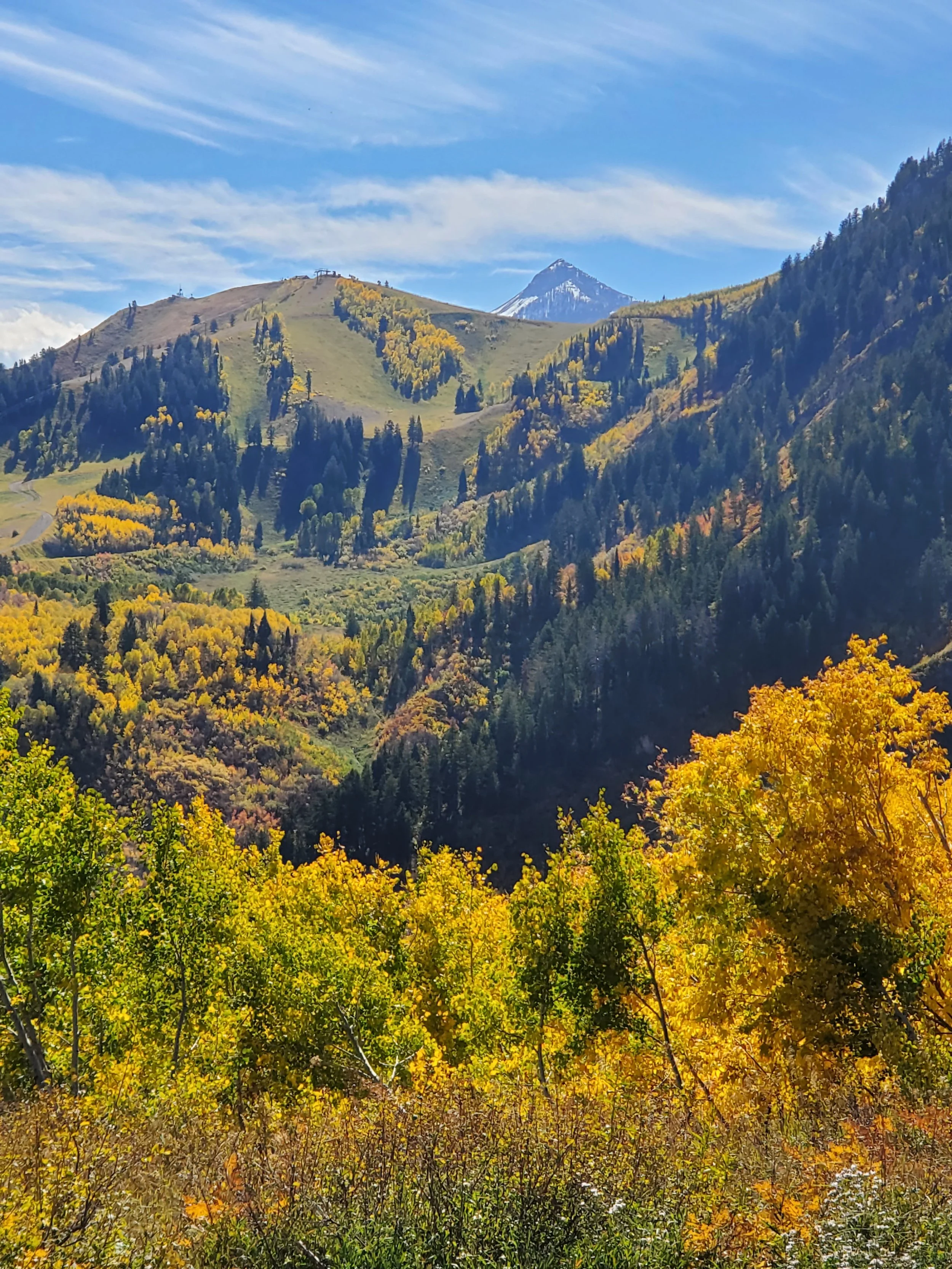
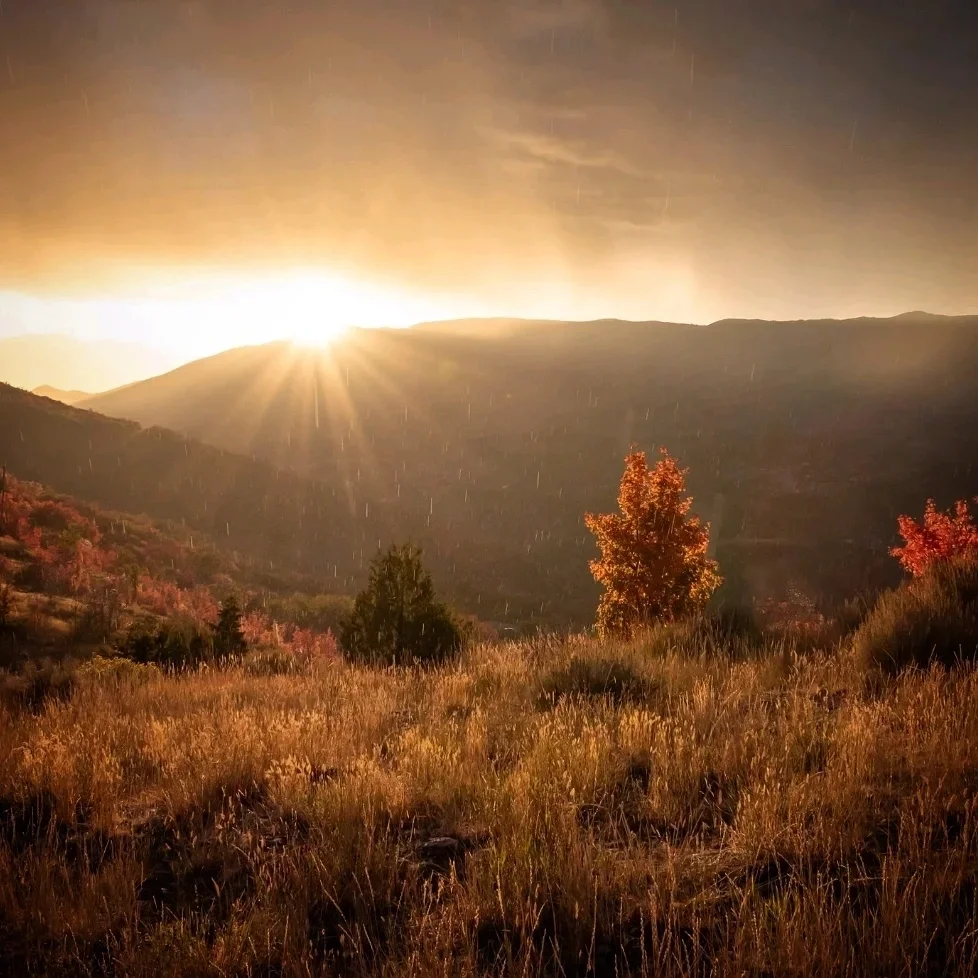
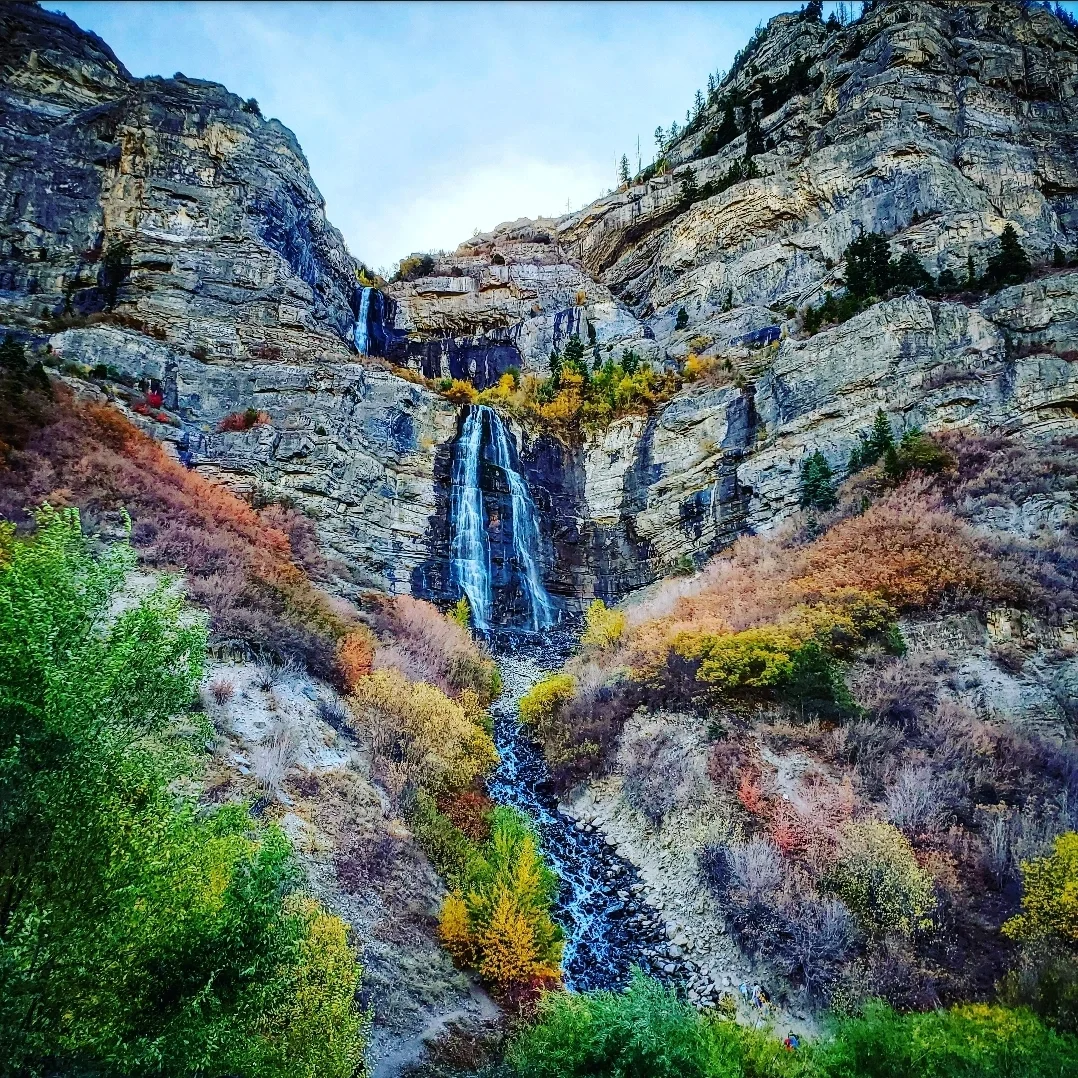
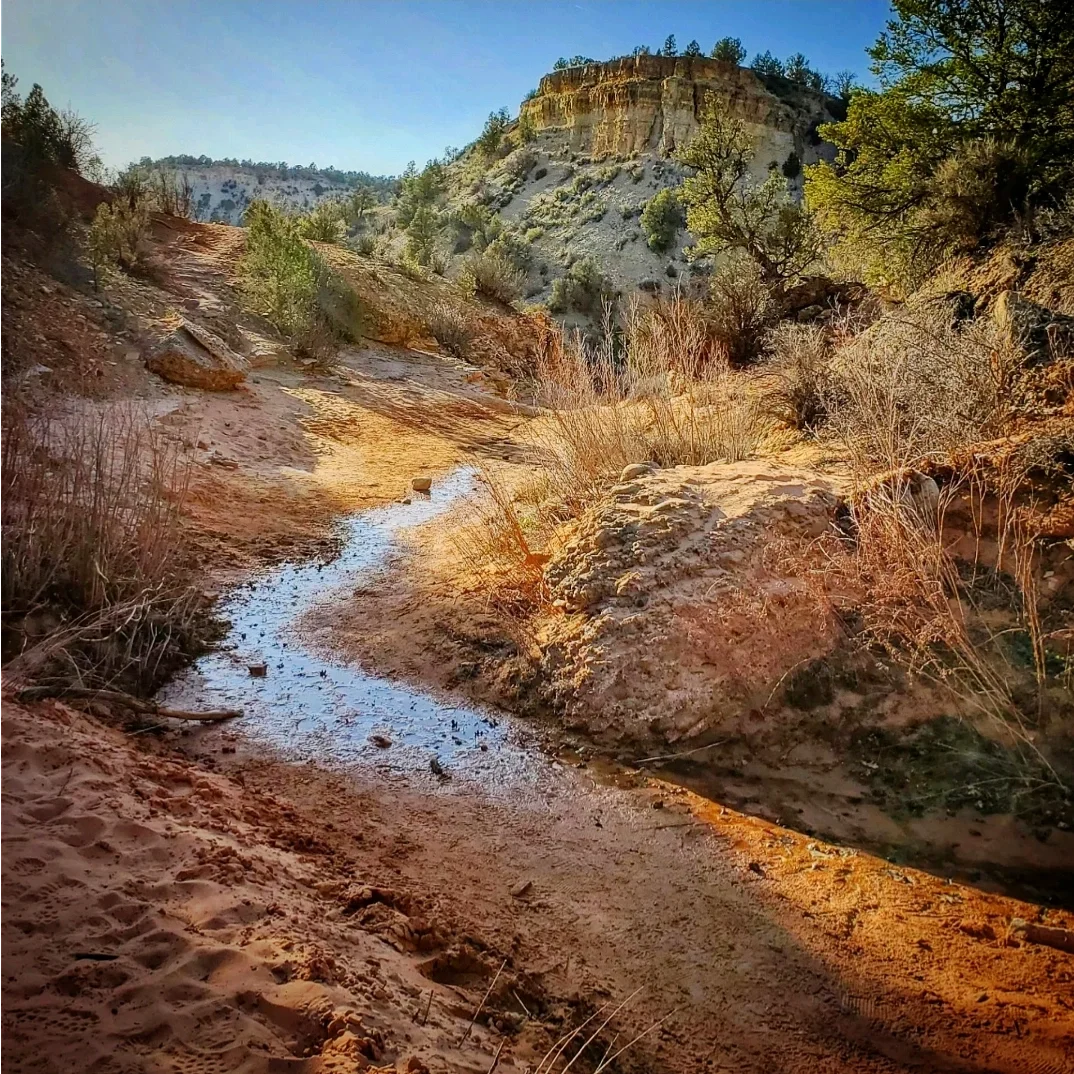
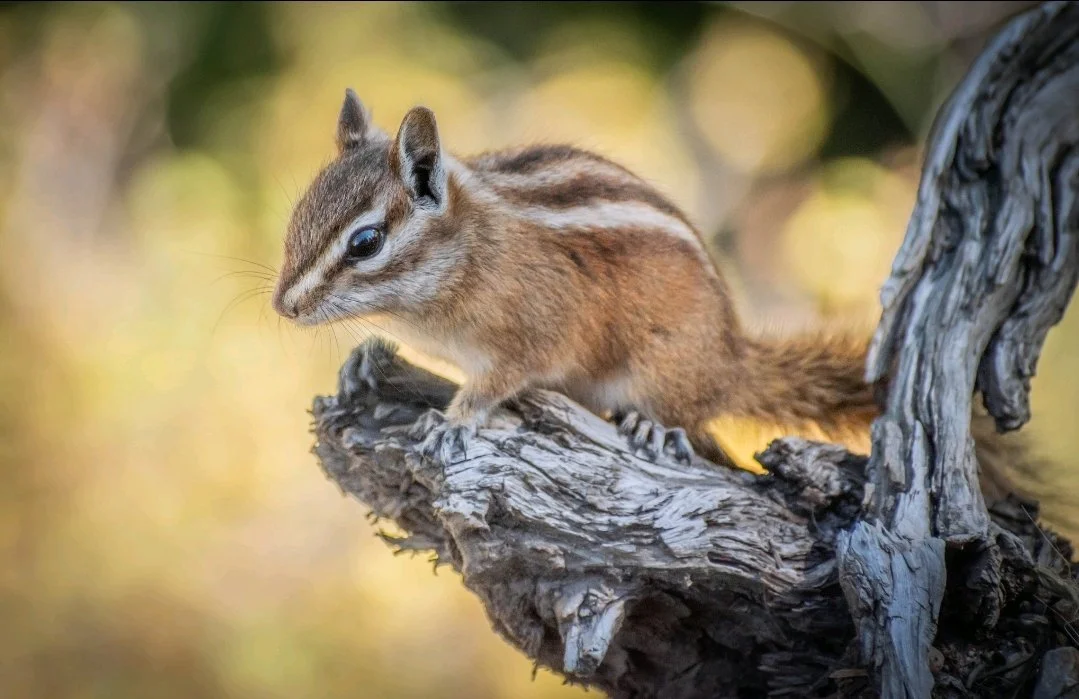


Since my decision to Take Back Nature, despite the complications, I have gathered new memories that include bear, elk, coyotes, bison, rabbits, owls, and more. Worry and fear literally disappear when I’m looking through the lens of my camera. I’m thrilled to call myself a professional photographer.
Do you avoid parts of your story too? What helps you the most? I pray for your success as you are brave and creative in your adventures. Our stories aren’t over yet.
I’m a Big Fan of Genes.
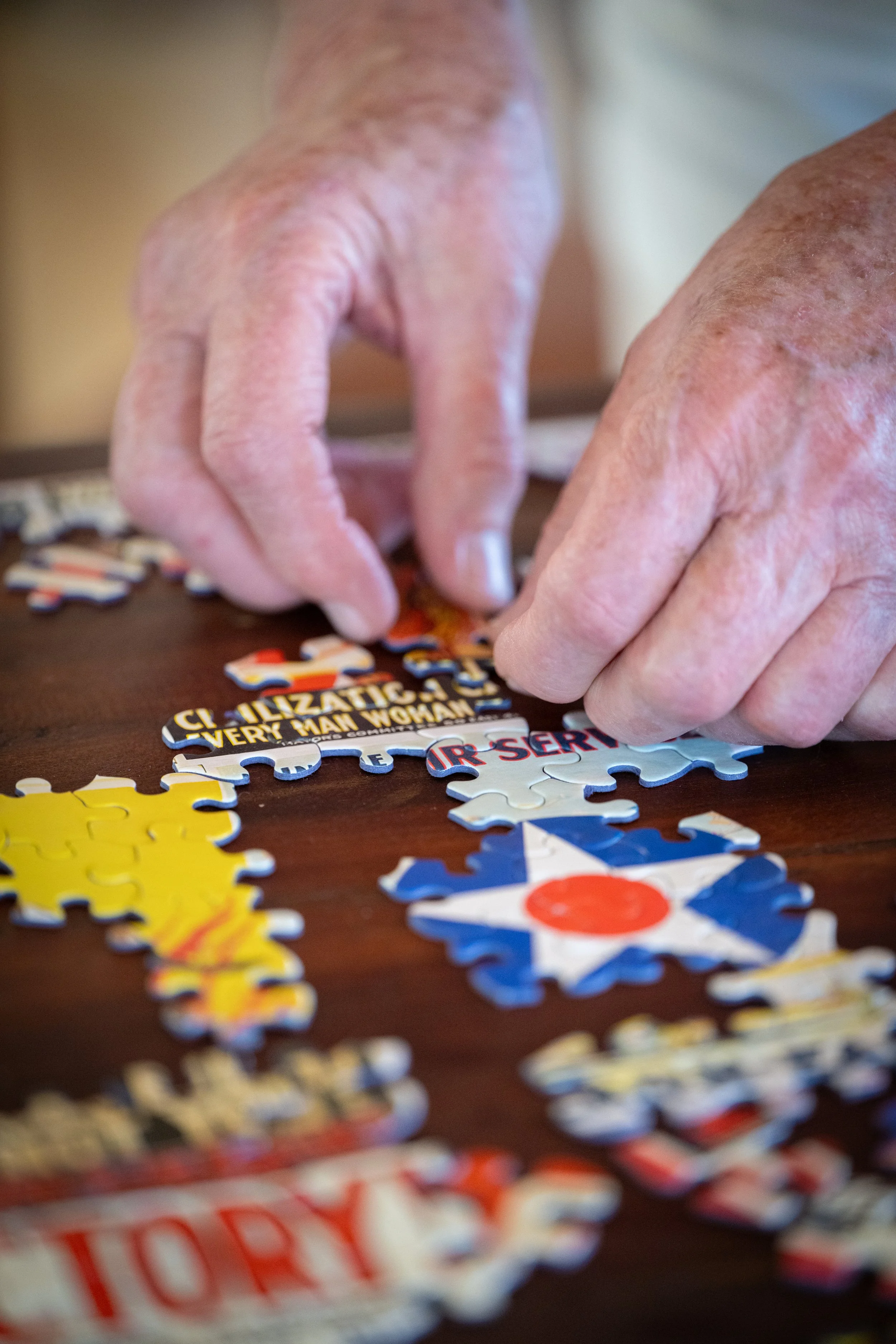
Most people view genealogy as historical or bookish. But can it also be artistic?
Closely tied to my love of photography is that of family history. Fun fact: I used to be a volunteer at the Family Search Library in Salt Lake City where I introduced people to their own family tree and helped them learn how to use the incredible free resources available to them. It was insanely fulfilling to watch people’s eyes well up with tears when they discovered the pieces to the puzzle of their own stories—the people who came before.
Initially it may seem odd to connect creative photography with genealogy. Most people see the search for our roots as historical or bookish. But can it also be artistic? If you’ve ever gone to RootsTech, you’ll remember the moving stories they tell of how people discover where they come from via visual storytelling and stirring musical scores. And I bet you can think of a time when you discovered a painting, song, poem, or story by a grandmother or uncle that fills a gap you didn’t know was there. As Sean Critchfield said, “Art doesn’t just live in the artist. It travels. It connects us while reminding us that we’re not alone…” That’s what I want to create—art that lives on in the lives of others. My photography is my art, and I am excited to tell stories with it. Maybe I can tell your story.
I hope you’ll join me as I officially begin working with the RootsTech media team. This blog will be the written score and my camera will be the instrument by which I play that song for you. Thanks for listening. I sure appreciate it.
Learn more here.